[Editorial] Samsung's move into the obesity treatment market should make biopharma a new growth engine
- Input
- 2026-07-20 18:37:54
- Updated
- 2026-07-20 18:37:54
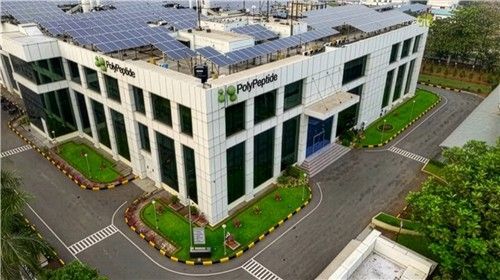
Samsung Biologics announced on the 20th that it had signed an acquisition agreement with Polypeptide Group, a global peptide CDMO company. The deal is worth about 2.7 trillion won, making it the largest merger and acquisition in the history of South Korea's pharmaceutical and biotech industry. The company plans to acquire 100 percent of the shares by the end of this year through a purchase of the controlling stake and a tender offer, completing the acquisition.
Peptides are compounds made up of short chains of amino acids, the building blocks of proteins, and they play a role in hormone activity and signal transmission in the body. The best-known drugs based on this technology are the GLP-1 class of obesity and diabetes treatments, including Wegovy and Mounjaro, which have taken the world by storm. Driven by explosive demand, peptide raw materials and production facilities are facing chronic shortages.
Global pharmaceutical companies are also broadening their use beyond obesity treatment to cancer, immune disorders and even brain diseases such as Alzheimer's, making this a promising future growth driver. This is not simply about expanding scale. It is a bold bet on future business opportunities, rather than settling for being the world's No. 1 contract manufacturer of antibody drugs.
Polypeptide Group was spun off in 1996 from the peptide division of global pharmaceutical company Ferring and has more than 1,000 peptide drug development and production records. Through this acquisition, Samsung Biologics will secure six production sites in five countries, including the United States, along with core technologies and about 1,500 specialists. It will also inherit existing contracts with clients, giving it a stable revenue base immediately after the acquisition. Global investment banks forecast that the global obesity treatment market will grow to about 200 trillion won by 2035. The global peptide CDMO market is also expected to expand from 8.2 trillion won this year to 43.4 trillion won in 2035.
This M&A deal should not remain a success for Samsung Biologics alone. The company must combine the acquired peptide technology with Samsung's large-scale production capabilities and fast decision-making to build the kind of overwhelming competitiveness sought by global big pharma. Beyond that, it should help create an ecosystem in which domestic materials, parts and equipment companies, as well as biotech startups, can grow together, raising the competitiveness of the K-Bio industry as a whole.
The government should also use this opportunity to foster biopharma as a strategic high-tech industry. It needs to step up policy support, including infrastructure expansion and regulatory reform, so that South Korea does not fall behind rivals such as the United States and China. Just as semiconductors have driven the Korean economy, this acquisition should not end as a one-off expansion. It should become the starting point for turning K-Bio into another pillar of growth for the Korean economy.