Refining Industry's Q2 Earnings Decline, Buffered by Refining Margins
- Input
- 2026-07-20 15:50:23
- Updated
- 2026-07-20 15:50:23
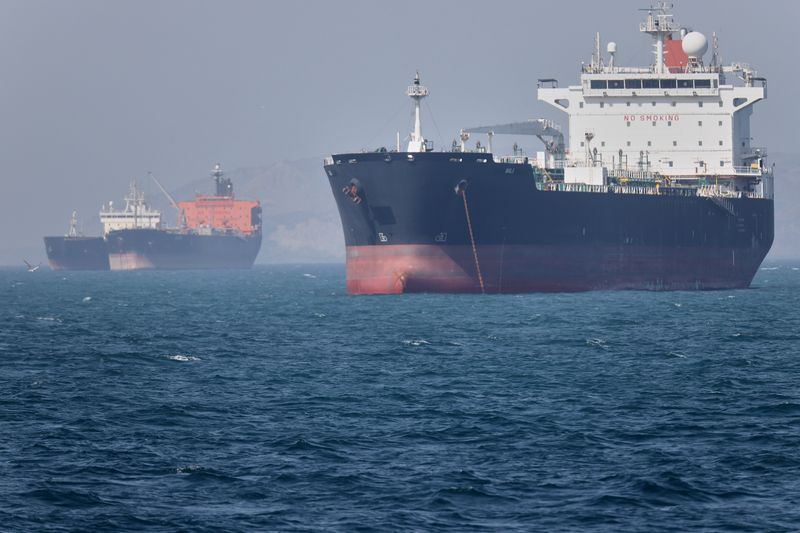
With second-quarter earnings announcements approaching, the performance of South Korea's refining industry is expected to decline from the first quarter. In the first quarter, inventory valuation gains were boosted by surging global oil prices amid the Iran war, but that effect weakened in the second quarter as prices stabilized.
According to FnGuide on the 20th, the consensus for SK Innovation's consolidated operating profit in the second quarter of this year was estimated at 1.4936 trillion won, down 30.9% from 2.1622 trillion won in the first quarter. S-Oil is expected to post operating profit of 959.2 billion won in the second quarter, down 6.2% from 1.0231 trillion won in the first quarter.
In the first quarter, global oil prices surged amid the war between the United States and Iran, lifting the value of crude inventories held by refiners and increasing inventory valuation gains. Strong refining margins also helped the industry deliver solid results.
In the second quarter, however, global oil prices stabilized somewhat, reducing the impact of inventory valuation gains. Still, the decline in earnings is expected to be limited because refining margins have remained high.
Refining margin refers to the profit left after importing crude oil, processing it into petroleum products such as gasoline, diesel and jet fuel, and selling them. It is a key profitability indicator for refiners. Strong demand for jet fuel and diesel, along with stable earnings from the base oil business, also offset much of the decline in inventory valuation gains.
In the second half of the year, stability in the Middle East is expected to have a major impact on earnings. Recently, the United States stepped up pressure on Iran again, pushing global oil prices higher.
Market watchers say that if instability in the Middle East and global disruptions to refining capacity continue, refining margins are likely to remain firm for the time being.
“Refining margins are already in very good shape, and even assuming oil prices stabilize, the structural shortage of refining capacity makes it highly likely that historically high margins will persist for a long time,” said Yoon Jae-seong, senior researcher at Hana Securities. “The supply shortage in base oil is also likely to continue until the first half of 2027, which is another positive factor.”
[email protected] Park Shin-young Reporter