Police Send 535 Suspects in Local Corruption Cases to Prosecutors, Set Up Dedicated TF to Step Up Crackdown
- Input
- 2026-07-19 09:00:00
- Updated
- 2026-07-19 09:00:00
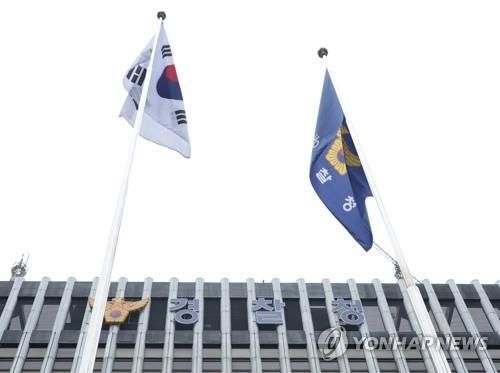
[Financial News] Police have handed more than 500 suspects in local corruption cases over to prosecutors through a special crackdown. They are also moving to expand enforcement, including by forming a dedicated task force, to eliminate corruption rooted in collusion between local governments and regional power brokers.
The National Office of Investigation of the National Police Agency said on the 19th that it had carried out a four-month special crackdown on local corruption from March 4, investigating 554 cases involving 1,450 people and sending 535 of them to prosecutors. Twenty suspects, accused of more serious offenses, were arrested.
Until now, the National Office of Investigation has focused its probes on what it calls the four major forms of local corruption: illegal or improper contracts, financial misconduct, abuse of power, and the use of inside information. In one case, the Anti-Corruption and Economic Crimes Investigation Unit at the Gyeonggi Nambu Provincial Police Agency arrested 15 people, including a provincial lawmaker, for receiving 45 million won in kickbacks in return for budget allocation and the selection of suppliers. The Seoul Gangseo Police Station also detained a local council speaker and others who allegedly received cash and a gold necklace worth tens of millions of won in exchange for hiring special-term and fixed-term staff for a district council.
Despite these results, the National Office of Investigation concluded that a stronger and more systematic crackdown is needed to break the long-standing corruption ties between local governments and regional power groups. Accordingly, it will expand the special crackdown on local corruption starting on the 20th.
First, it will create a 'Regional Collusion Corruption Response TF' within the National Office of Investigation to handle policy planning and investigative command related to local corruption. The agency also plans to strengthen enforcement by bringing not only the existing Anti-Corruption and Economic Crimes Investigation Units at the Metropolitan Police Agencies, but also the Metropolitan Criminal Investigation Units, into the dedicated investigation system.
A regular review meeting on efforts to eradicate local corruption, chaired by the director of the National Police Agency's investigation bureau, will also be held at least once a month. The meetings will directly review nationwide enforcement results and policy feedback, including notifications on institutional reforms, to maintain momentum in the crackdown.
A new category of 'illegal nonfeasance' will also be added to the list of priority targets. This refers to cases in which illegal acts are left unchecked or knowingly tolerated in order to provide de facto benefits to specific individuals based on long-standing collusive relationships. The goal is to send a warning to public officials that not only active wrongdoing, but also passive tolerance of illegal acts under the pretext of inaction or custom, can constitute a crime.
The police will also build a corruption-response system in which crackdowns, investigations, publicity, prevention, and institutional reform are linked in a virtuous cycle through policy cooperation with relevant ministries. To that end, they plan to identify separate intensive investigation targets during the special crackdown period.
Cases designated as intensive investigation targets will be managed directly by the National Police Agency. The National Office of Investigation plans to publicize arrest results by period and policy area, and share institutional reform measures with relevant ministries to improve policy effectiveness and public awareness. As the first intensive investigation target, it will designate illegal acts related to private contracts involving public officials such as local lawmakers and civil servants, and crack down on them strictly.
Hong Seok-gi, head of the National Office of Investigation, said, "Regardless of rank, we will carry out investigations without sacred cows to strengthen the integrity of local administration and do our utmost to eradicate corruption and wrongdoing deeply rooted in local communities." He added, "We will use this crackdown as an opportunity to strengthen cooperation among anti-corruption agencies, upgrade the country's response system to corruption and irregularities, and improve both the effectiveness of government policy and public perception."
[email protected] Jang Yu-ha Reporter