The New York Times: The Iran War Is Turning Into a Permanent War
- Input
- 2026-07-16 14:46:39
- Updated
- 2026-07-16 14:46:39
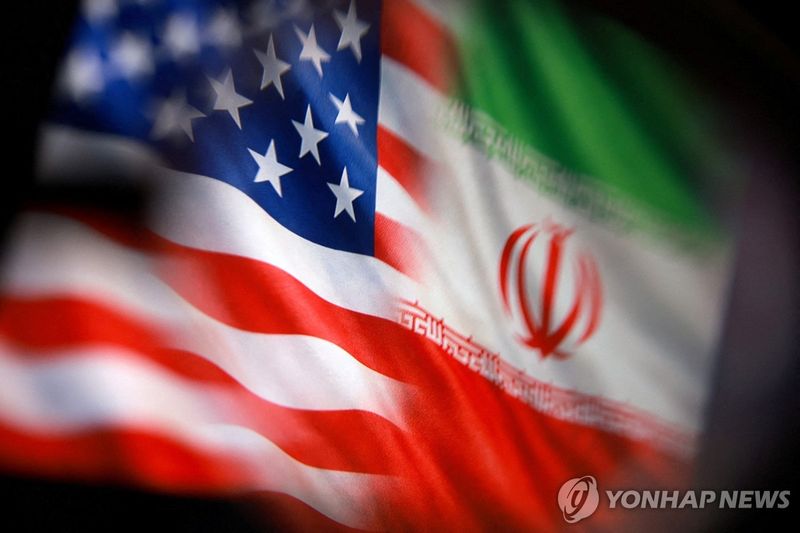
On the 15th local time, Ali Vaez, who heads the Iran project at the International Crisis Group (ICG), contributed an article to The New York Times (NYT) titled, "The endless war is starting now." The following is a summary of the op-ed.
The U.S.-Iran MOU stopped the war and provided a framework for talks on Iran's nuclear program. But less than a month after it was signed, the MOU failed. What was meant to halt the fighting instead became the reason for its resumption.
The MOU was not a peace agreement. It did not reconcile the two countries, resolve the dispute over limits on Iran's nuclear program, or establish a sustainable regional order. It merely put guardrails on a relationship that had fallen into open warfare. If those guardrails collapse, the fighting will continue in a chain reaction.
Even if the war resumes, the reality that gave rise to the MOU will not change. The United States can inflict devastating damage on Iran, but it cannot eliminate Iran's ability to disrupt shipping through the strait. Iran can impose enormous economic costs by choking off this waterway, but it cannot force its demands on the United States.
After more missiles are launched, ships are attacked, infrastructure is destroyed, and civilians are killed, both sides will return to the negotiating table. They will do so angrier and with less capacity to compromise.
The apparent cause of the breakdown is the MOU's fifth article. It requires Iran to "take measures with the best efforts" to ensure safe passage through the Strait of Hormuz. But it does not specify whether Iran agreed to reopen the waterway across the entire strait, including the southern section near Oman, or only the northern waters.
From the U.S. perspective, the clause meant reopening the Strait of Hormuz. For Iran, however, it meant that Iran would be responsible for coordinating the passage of all ships, regardless of which route they used.
The vague wording pushed the two sides into conflict. Iran believed the United States was building a new route along the coast of Oman that would neutralize Iran's strongest leverage. The United States saw the Oman route as insurance in case Iran blocked the strait again.
Deep mistrust between the two sides also poisoned the talks. Donald Trump, President of the United States, declared that the ceasefire was over, using language that confirmed Iran's suspicions about Washington. Iran stressed that renewed war was inevitable and that it would close the strait. When each side sees the other's actions as proof of aggression and its own escalation as self-defense, that is how a security dilemma becomes a permanent conflict.
Both countries believe time is on their side. Iran expects oil shocks, market turmoil, and political calendars to wear down U.S. resolve. The United States expects financial strain and military attrition to wear down Iran's resolve.
But neither side has a path to victory. Even so, each feels compelled to prove it can endure more pain than the other. That is the logic of endless war. Each side uses violence to test the other's staying power. War, in effect, becomes a tool of negotiation.
The United States and Iran are treating the MOU as an extension of the war. If the agreement is allowed to disappear, war rather than diplomacy could become permanent.
[email protected] Hong Chae-wan Reporter