"This Is Not the Driver's Private Car"... Debate Grows Over Seoul City Bus 'Radio Ban Law' [What Do You Think?]
- Input
- 2026-07-15 06:00:00
- Updated
- 2026-07-15 06:00:00
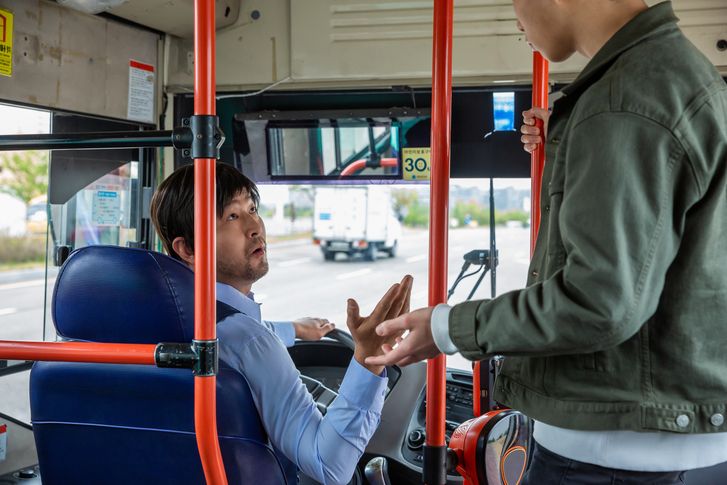
[Financial News] A dispute has unexpectedly flared over “radio noise” on city buses, which serve as a lifeline for commuters during the summer heat. The issue was raised after a citizen petition called for a complete ban on bus drivers playing the radio, arguing that the sound disturbs passengers and interferes with safe driving.
According to the Seoul Metropolitan Council on the 14th, a petitioner identified as Lee recently filed an official complaint asking the council to enact an ordinance banning Seoul city bus drivers from listening to the radio.
Explaining the reason for the petition, Lee stressed that “Seoul city buses are not the driver’s private car, but a public service space used by citizens,” and said it was “a burden to be forced to listen to radio broadcasts when passengers want a quiet ride.”
Lee argued that listening to the radio is more than a matter of personal preference and directly threatens passenger safety and convenience.
He pointed out that “some drivers turn the radio up so loud that they fail to notice when passengers press the stop button, and as a result do not open the rear door.” He added that “some drivers sing along loudly to popular songs on the radio, and when passengers ask them to lower the volume or turn it off, they sometimes curse at passengers or retaliate by driving recklessly,” citing specific cases of harm.
A dispute spreading through a public channel for communication
In the past, radios inside buses were commonly seen as a way to help drivers stay awake and to provide passengers with traffic information and news. But as smartphones and wireless earbuds have become widespread, more passengers now want a quiet ride, turning bus radio broadcasts into an unexpected source of everyday noise conflict.
In response to the petition, the Seoul Metropolitan Government’s bus policy division said it was cautious about imposing blanket restrictions or enacting an ordinance, effectively expressing reluctance.
In its reply, Seoul Metropolitan Government explained that “listening to the radio on city buses is not completely prohibited under current law, and it is generally allowed even in private vehicles,” adding that “there is currently no clear legal basis to restrict radio listening itself.”
On the demand to create a new ordinance banning radios, it said that “ordinance-making must take into account the bus riding environment, citizens’ opinions, and drivers’ working conditions in a comprehensive way,” and added that “introducing a blanket ban at this stage requires careful review.”
Still, Seoul Metropolitan Government said it recognizes the practical inconvenience passengers experience from radios and plans to strengthen administrative guidance through bus operators.
The city said it will continue asking operators to keep the volume at an appropriate level and to ensure that buses are run with consideration for passengers, so that radios are not played too loudly or broadcast for long periods in ways that may make passengers uncomfortable.
It also promised to instruct operators to carry out thorough on-site management and safety training for drivers so that passenger safety and customer service are not disrupted while driving.
[email protected] Moon Young-jin Reporter