Abolition of supplementary investigation authority faces backlash from both ruling and opposition parties... turning point on the 14th
- Input
- 2026-07-13 15:58:11
- Updated
- 2026-07-13 15:58:11
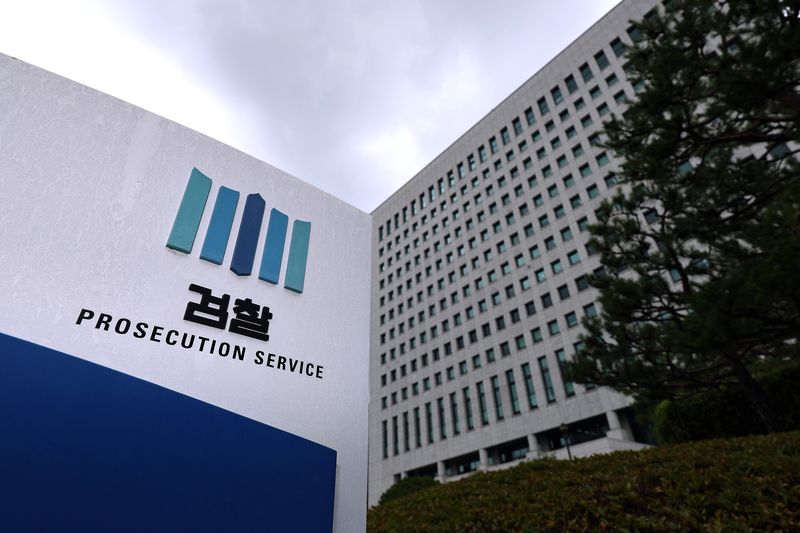
[Financial News] A revision to the Criminal Procedure Act of the Republic of Korea that would abolish the supplementary investigation authority of the Public Prosecution Office has been blocked as opposition emerged not only from the opposition bloc but also within the ruling party. The measure had gained momentum under pressure from hardline party members amid the leadership race in the ruling Democratic Party of Korea (DPK), but a counterproposal was also introduced in the DPK as well as by the main opposition People Power Party.
On the 13th, the first subcommittee on bill review of the Legislation and Judiciary Committee of the National Assembly reviewed the revision bill at the initiative of the DPK. It also plans to hear opinions from the Police and the Corruption Investigation Office for High-ranking Officials (CIO) on the 15th. With the abolition of the SPO and the launch of the Public Prosecution Office and the Serious Crime Investigation Agency set for Oct. 2, the committee is determined to move as quickly as possible.
However, a proposal to retain the supplementary investigation authority has emerged as a new variable. At a party caucus meeting that day, the People Power Party decided to push as its party line a plan that would not only keep the authority in place but also delay the launch of the Public Prosecution Office and the Serious Crime Investigation Agency by one year.
Jang Dong-hyuk and other People Power Party leaders have repeatedly argued that the supplementary investigation authority is necessary, citing the Jang Yoon-ki case, in which authorities were caught trying to cover up allegations that the son of a senior police official raped and murdered a high school girl. Han Dong-hoon, an independent lawmaker, also met with a victim of the Busan roundhouse kick case, in which supplementary investigations exposed a sexual assault, and called for the authority to be retained.
In addition, even within the DPK, lawmaker Hong Ki-won is reportedly preparing to introduce a revision bill on the 14th that would grant supplementary investigation authority only for crimes against vulnerable groups, such as sexual violence, stalking, abuse and voice phishing.
DPK lawmakers Kim Nam-hee and Kim Dong-a, along with Progressive Party lawmaker Son Sol, said on the day, together with six women's groups including MINBYUN—Lawyers for a Democratic Society and Korea Women's Hot-Line, that abolishing the supplementary investigation authority could undermine the rights of victims who are socially vulnerable.
The committee is currently reviewing only three revision bills: the two existing proposals centered on abolishing the supplementary investigation authority and the DPK's party-line bill. If the People Power Party proposal and Hong's bill are merged into the review starting on the 15th, it could become difficult to move the process forward quickly.
The committee has not yet decided whether to conduct a combined review. The key factor is the DPK caucus meeting scheduled for the 14th. Since the supplementary investigation authority issue will be on the formal agenda, the caucus decision is expected to determine whether the subcommittee will also review the proposal to keep the authority in place.
[email protected] Kim Yun-ho Lee Hae-ram Kim Hyeong-gu Reporter