U.S. State Department Raises Concerns Over South Korea's Excessive Content Regulation Under Network Law
- Input
- 2026-07-10 06:22:41
- Updated
- 2026-07-10 06:22:41
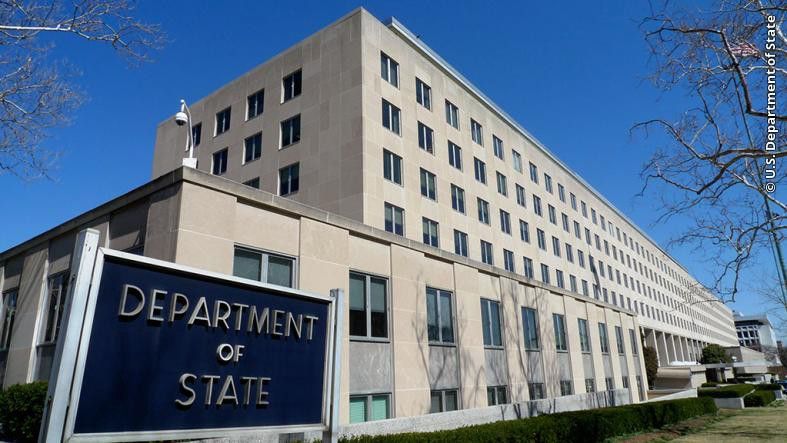
[Financial News] The United States Department of State (State Department) said that South Korea's revised Act on Promotion of Information and Communications Network Utilization and Information Protection should not place an excessive burden on U.S. companies or infringe on freedom of expression.
In response to a question from South Korean media on the implementation of South Korea's revised network law on the 9th local time, a State Department spokesperson said, "The South Korean government should not impose a disproportionate burden on U.S. companies, and it should not use law enforcement as a mechanism to censor free expression."
The State Department's statement came as the amendment to the network law, which the National Assembly passed late last year, took full effect this week.
The spokesperson said the U.S. government has serious concerns that the revised law "could enable excessive content regulation and undermine freedom of expression."
The spokesperson added, "We look forward to continued dialogue with key stakeholders, especially U.S. technology companies, to ensure that law enforcement does not chill freedom of expression."
The spokesperson also said, "The United States remains willing to work with the South Korean government to foster a free and open digital environment for everyone."
The State Department also cited an episode from April, when Sarah Rogers, U.S. Under Secretary of State for Public Diplomacy, visited South Korea.
The spokesperson said, "Under Secretary Rogers held productive discussions with South Korean government officials during her visit. South Korean officials were well aware of the risk that vaguely drafted legal provisions could lead platform companies to excessively censor expression, and they actively communicated on the issue."
With the State Department's official position now made public, coordination among South Korean and U.S. trade authorities and global Big Tech companies is expected to emerge as a key issue in the drafting of detailed guidelines and in the enforcement of the revised network law.
[email protected] Yoon Jae-jun Reporter