[Editorial] It Is Time to Remove the Shackles Blocking Supermarket Dawn Delivery and Revive Traditional Markets
- Input
- 2026-07-09 18:25:40
- Updated
- 2026-07-09 18:25:40
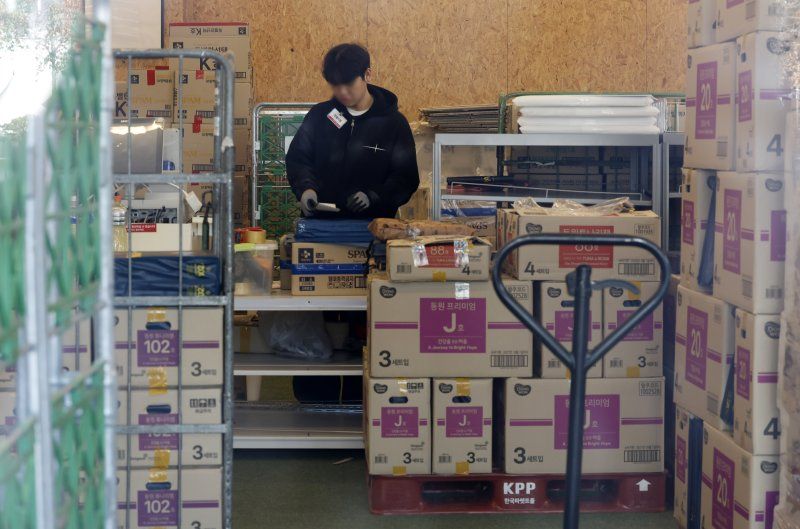
The original purpose of the restrictions on large supermarkets was to protect traditional markets and neighborhood businesses. But what was the result? Traditional markets did not revive; only online retail platforms grew larger. While large supermarkets were tied up by regulation, Coupang surged ahead with Rocket Delivery and dawn delivery, posting annual sales approaching 50 trillion won and establishing a dominant position in South Korea's retail industry. Established offline giants such as E-Mart have steadily lost competitiveness, and Homeplus, the country's No. 2 supermarket chain, has even been pushed to the brink of bankruptcy.
It is also important to note that the supermarket regulations amount to clear discrimination against companies. Online platforms can deliver around the clock while selling the same products, yet large supermarkets are not even allowed to pack goods during nighttime hours. That cannot be called fair. Allowing large supermarkets to freely use their nationwide stores as logistics hubs is not a special favor, but a step toward correcting unfairness. If regulations remain stuck in the past even after the market has completely changed, companies cannot seize opportunities for innovation.
The mandatory closing-day rule is no different. The very idea of forcing stores to close on designated days in order to steer consumers toward traditional markets was outdated from the start. Today, people can order on their phones and receive products within hours. Closing supermarkets has not created a windfall for traditional markets or neighborhood businesses; instead, it has reduced the number of shoppers overall. Yet insisting on this regulation is nothing short of anachronistic.
The erosion of balance in market competition should also not be overlooked. In the retail sector, excessive dominance by a single company is far from desirable for consumers. A structure in which offline large supermarkets and online platforms compete on equal footing is necessary to reduce market distortions. The fierce competition between Walmart Inc. and Amazon in the United States, which has boosted consumer benefits and innovation, offers a meaningful lesson for South Korea as well.
Measures to support small business owners and traditional markets should be pursued separately. Policymakers must not repeat ineffective, complacent measures that try to grow traditional markets by tying up large supermarkets. Instead, they should provide tailored policies that strengthen local commercial districts, such as bold support for digital transformation, the establishment of shared logistics systems, and expanded online sales channels. There are clear limits to any approach that restricts consumer choice.
The National Assembly should move quickly to amend the law. Not only should dawn delivery at supermarkets be allowed, but all unreasonable regulations between online and offline retail should be overhauled. In a fair competitive environment, industrial competitiveness will improve and corporate innovation will continue.