Proving the Link Between Oral Microbes and Alopecia Areata... The Microbiome Research That Astonished the World Is "Only Just Beginning" [Interview with 100 Hair Loss Experts]
- Input
- 2026-07-10 10:00:00
- Updated
- 2026-07-10 10:00:00
When things that should be there are absent, they bring loss. Hair loss, which has emerged as a major issue of our time, is one such source of deep and heavy loss. To face it head-on and overcome it, we are meeting 100 hair loss experts, starting with the first-generation pioneers of hair loss treatment in medicine. Please look forward to the new stories that will unfold beyond the two letters of "hair loss." [Editor's note]

[Financial News] Professor Park Jin of the Department of Dermatology at Jeonbuk National University Hospital studies hair loss in the field of Microbiome, an area still considered largely unknown even in the global medical community. He has already produced clear results, including evidence that disruption of the oral microbial ecosystem may affect alopecia areata. He is also helping build a map of Korea's skin and scalp microbiome, steadily expanding his own research horizon. On the 9th, we met with Professor Park to ask about the current state of hair loss research in the microbiome field.
A Surprising Discovery Made While Observing Healthy and Hair-Loss-Affected Scalps
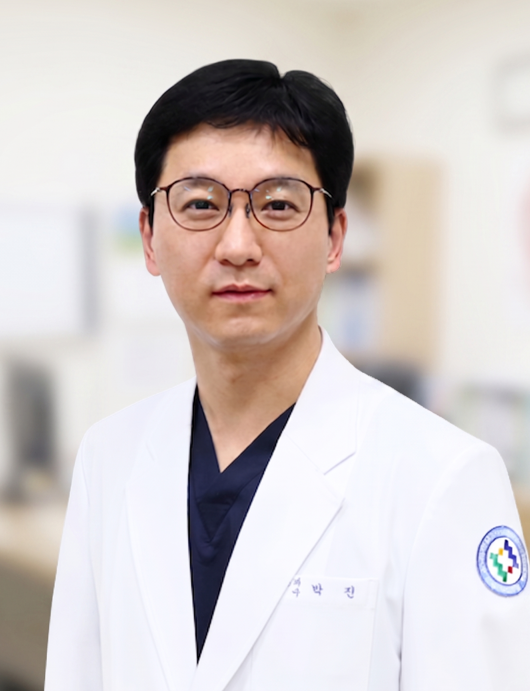
In the past, microbes were seen simply as organisms that "cause" infections. As gene analysis technology advanced, researchers learned that microbes also help regulate immunity and prevent the proliferation of external pathogens, which broadened the scope of hair loss research.— How does the microbial ecosystem differ between a healthy scalp and a scalp with hair loss?▲ The scalp secretes more sebum than other areas of the body. That is why it hosts many oil-loving microbes. On a healthy scalp, microbes such as Cutibacterium acnes, which feed on sebum and help regulate the scalp's acidity, Staphylococcus capitis, which blocks harmful external bacteria and prevents fungi from overgrowing, and Malassezia, which helps control scalp oil, coexist in balance.
However, some inflammatory scalp disorders and scalps affected by scarring alopecia contain more microbes that trigger inflammation, such as Staphylococcus aureus, as well as other organisms that cause pain and inflammation. This condition is called dysbiosis, meaning a state in which the balance has been disrupted.— If the microbial balance collapses, it would seem that inflammatory hair loss or scarring alopecia could develop.▲ It cannot be regarded as a complete "cause." Research on the causal relationship between microbial imbalance and hair loss is still only at an early stage worldwide. Because it has not yet been fully clarified, we cannot say for certain. That said, it is true that microbes are involved in scalp conditions, including hair loss.
Microbes appear to play a clear role in recurrent bacterial folliculitis, seborrheic dermatitis, tinea capitis caused by fungal infection, and folliculitis decalvans. In androgenetic alopecia, some studies suggest that certain microbes are linked to microinflammation in the scalp, but this is interpreted as one of several factors rather than a direct cause.
The body moves as an interconnected system... How gut and oral microbes affect hair
— Is alopecia areata also related to microbes? Since it is an autoimmune disease, it would seem unrelated to the microbes living on the scalp surface.▲ That is correct. Alopecia areata is an autoimmune disease in which the body's immune cells recognize body hair as something to attack. It is known to be associated with genetic predisposition, stress, infection, medication, and environmental changes. However, researchers are also studying the possibility that gut microbes, rather than microbes on the skin surface, may be one of the factors behind alopecia areata.Some studies have reported that the gut microbial environment of alopecia areata patients differs from that of healthy controls, and that bacteria that produce short-chain fatty acids, which help regulate immunity, may be reduced. Short-chain fatty acids are metabolites produced when beneficial gut microbes consume dietary fiber. After being produced, they circulate throughout the body via the bloodstream and play important roles in suppressing inflammation, stabilizing blood sugar, and participating in hormone synthesis.
In the end, our bodies function as an interconnected system. This can also be seen in research on oral microbes.— I have heard that the gut microbiome is important. But this is the first time I have heard about the mouth.▲ There have long been reports linking periodontitis to some inflammatory bowel diseases, rheumatoid arthritis, and psoriasis. Our lab went a step further and predicted that periodontitis could stimulate and disrupt the scalp's immune system as well. Chronic periodontitis caused by an imbalance in oral microbes not only destroys the jawbone and gums, but also continuously releases inflammatory signaling molecules called cytokines into the bloodstream. We believed that these signals would travel throughout the body and eventually reach the scalp.
In fact, among alopecia areata patients who visited the clinic, there were cases in which hair loss symptoms worsened when gum inflammation or dental disease became severe. After analyzing National Health Insurance data, we found that the risk of developing alopecia areata was 1.36 times higher in people with periodontitis. Detailed oral microbiome analysis of alopecia areata patients also confirmed that pathogenic microbes associated with periodontitis were significantly more prevalent than in healthy controls.
This study provided scientific evidence that if the oral microbial ecosystem collapses, it may send negative signals to hair health as well. However, this does not mean that periodontitis is a direct cause of alopecia areata. More research is needed.
Establishing Standard Guidelines for Microbiome Analysis, with the Goal of Creating Precision Care That Answers "Which Treatment Works Better for Whom"
— It is impressive to hear that you have opened up a new frontier. If research on the relationship between microbes and hair loss is still in its early stages globally, there must be many avenues left to explore. Are there any areas that particularly interest you?▲ Microbes include bacteria and fungi. Studying only one of them is not enough to fully understand the scalp ecosystem, so I want to study the immune responses created by bacteria and fungi together. In fact, in the fungal field, we are preparing to soon publish standard guidelines for analyzing the mycobiome.We are also conducting integrated analyses of microbes, immune cells, and gene expression in the scalp and hair follicles of patients with primary scarring alopecia to identify indicators that can predict disease activity and treatment response. Ultimately, the goal is precision medical care for hair loss, in other words, to study "which treatment works better for whom."
Finally, through the hospital-based human microbiome R&D project led by the Ministry of Health and Welfare (MOHW) and the Korea Disease Control and Prevention Agency (KDCA), we are building standard data on the Korean skin microbiome. Our aim is to create a map of the skin and scalp microbiome in healthy Koreans and establish a comparable environment for patients with skin diseases.
[email protected] Kim Hyun-sun Reporter