China's SLBM Launch Draws Strong Criticism From the U.S., Japan and Taiwan
- Input
- 2026-07-07 18:23:52
- Updated
- 2026-07-07 18:23:52
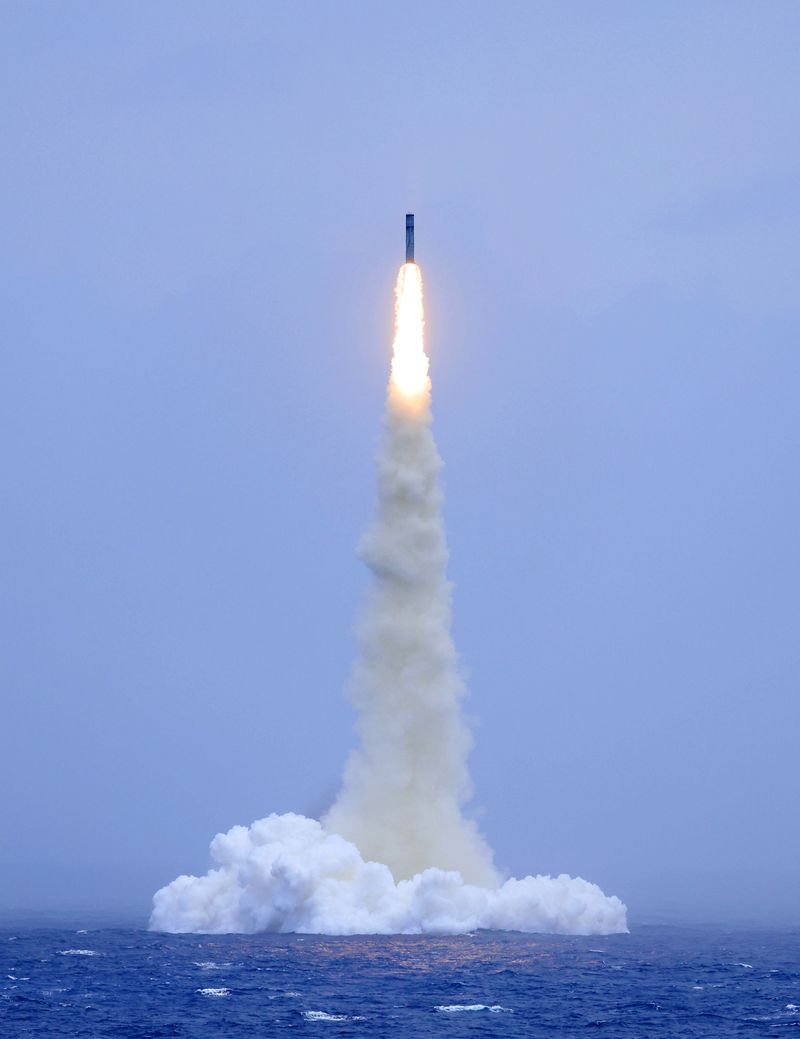
The Trump administration criticized China's test launch of an SLBM toward the Pacific Ocean on the 6th (local time) and urged Beijing to take part in arms control talks.
Tommy Pigott, a spokesperson for the U.S. Department of State, issued a statement titled "China Fires Nuclear-Capable Ballistic Missile Into the Pacific Ocean" and said, "At a time when the United States is working harder than ever to prevent nuclear proliferation, China is moving in the opposite direction." He added, "China's rapid and opaque buildup of nuclear weapons is raising serious concerns in the region and around the world."
Pigott also said, "We continue to urge China to engage in meaningful arms control discussions and establish a regular notification system for all intercontinental ballistic missile and space launch vehicle launches, in line with the commitments made by the other five permanent members of the United Nations Security Council (UNSC)." He added, "The United States will remain steadfast in its defense commitments to its allies and partners."
Reactions and criticism from neighboring countries also followed. Minoru Kihara, Japan's Chief Cabinet Secretary and government spokesperson, said on the 7th that China's SLBM launch was "a matter of serious concern for Japan and the international community due to a lack of transparency."
Taiwan also strongly criticized the launch, saying it threatens the international community and heightens tensions in the region. Kuo Ya-hui, spokesperson for the Presidential Office, said, "After recently stepping up military pressure around the first island chain, China is now threatening the international community with an intercontinental ballistic missile test launch." She added, "We strongly condemn this series of unilateral actions."
whywani@fnnews.com Hong Chaewan Reporter