Iranian Ambassador to China Says Strait of Hormuz Fees Could Favor Friendly Countries
- Input
- 2026-07-05 09:43:23
- Updated
- 2026-07-05 09:43:23
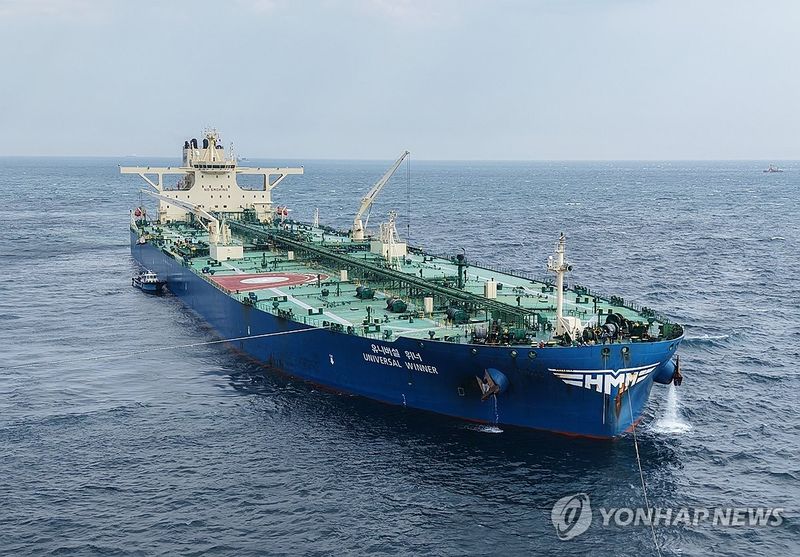
[Financial News] Iran's ambassador to China reaffirmed Tehran's position on its plan to collect transit fees in the Strait of Hormuz, saying on the 4th that the country is considering differentiated benefits for friendly nations, including China.
According to AFP and other foreign media, Iranian Ambassador to China Abdolreza Rahmani Fazli expressed the view at the World Peace Forum held in Beijing on the day.
Fazli emphasized that collecting transit service fees is essential for a country that has territorial waters in the Strait of Hormuz. He explained that the charge is not simply a 'toll,' but compensation for ensuring the safety and control of ships passing through the strait and for addressing the environmental impact caused by large vessels.
He added that special treatment would definitely be considered for countries that stood by Iran and showed a friendly attitude during difficult times, specifically naming China as one of the representative friendly nations.
The remarks came as the Strait of Hormuz issue emerged as a key agenda item in follow-up negotiations after Iran signed a previous memorandum of understanding (MOU) with the United States. Foreign media also reported that while the United States proposed unfreezing Iranian assets, Iran has not withdrawn its plan to collect Strait of Hormuz transit fees, which are estimated at about $40 billion a year, or roughly 62 trillion won.
Meanwhile, Bloomberg News reported that ship-tracking data showed vessels attempting to leave the Persian Gulf via the Omani side of the Strait of Hormuz abruptly changed course between the 3rd and 4th.
At least eight vessels, including oil tankers, bulk carriers, and car carriers, were identified as having changed course. Among them, one crude oil tanker, two product tankers, and one bulk carrier altered their routes and exited the Persian Gulf via a path adjacent to Iranian territorial waters.
The exact reason for the sudden U-turns has not been confirmed. However, Iranian authorities have repeatedly demanded that passing vessels use only routes designated and approved by Tehran, and they are said to have sent radio warnings to ships trying to use alternative routes. Some of those vessels reportedly ignored the warnings and continued sailing before coming under attack.
Since the 29th of last month, the average number of cargo vessels passing through the Strait of Hormuz has been about 34 per day. That is a noticeable increase from the period when the war was at its height, but it still falls far short of the level seen on February 28, before the war broke out.
According to statistics from the Joint Maritime Information Center (JMIC), a U.S.-led multinational naval coordination body operating in the Middle East, a total of 65 vessels passed through the strait via the Omani route between the 30th of last month and the 1st of this month. Of those, 59 were moving with U.S. support.
[email protected] Lee Hwan-ju Reporter