[Editorial] The OECD's recommendation to strengthen property taxes while lowering transaction taxes should be actively considered
- Input
- 2026-07-03 13:53:34
- Updated
- 2026-07-03 13:53:34
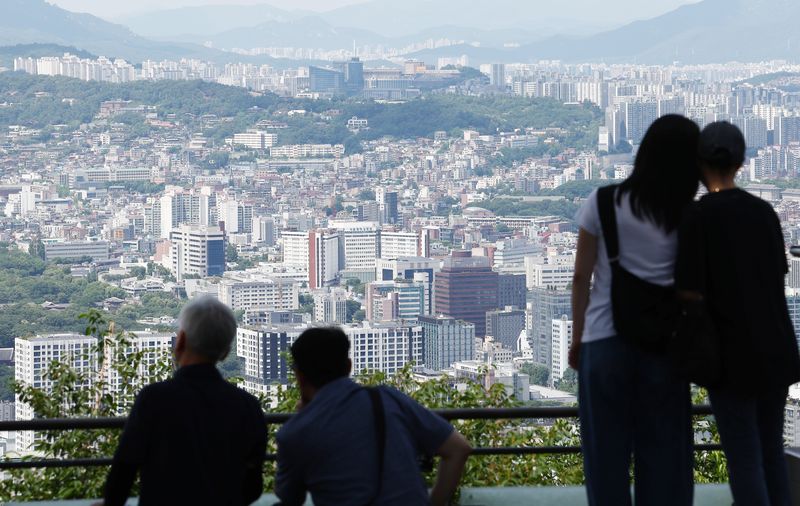
[Financial News] The Organisation for Economic Co-operation and Development (OECD) has recommended that Korea raise the share of property holding taxes while reducing transaction taxes. The advice confirms that the long-standing call to "strengthen holding taxes and cut transaction taxes" is in line with global standards for stabilizing the real estate market. We have also argued that policy should encourage transactions and expand supply rather than rely on one-sided tax hikes. Since the government is expected to unveil a tax revision bill, including real estate tax reforms, later this month, it should take this recommendation seriously.
In its 2026 Korea Economic Report released on the 2nd, the OECD advised a gradual shift in real estate taxation from transaction taxes to holding taxes in order to improve housing mobility. It added, however, that the policy should be implemented carefully and with enough preparation time, given the unique characteristics of Korea's housing market. Douglas Sutherland, head of country analysis at the OECD Economics Department, also explained that the change should be introduced with a sufficient adjustment period, as it could place a significant burden on residents of relatively inexpensive apartments.
Korea's current real estate tax system effectively blocks transactions on multiple fronts. Because acquisition taxes and capital gains taxes are heavy, both sellers and people looking to move find it difficult to act. When transactions are constrained, listings shrink and housing mobility weakens. As supply shortages and instability in the jeonse and monthly rental markets continue, regulations introduced to stabilize the market can instead deepen distortions. Strengthening holding taxes is necessary to curb speculation and improve tax fairness. But if transaction taxes remain unchanged while only holding taxes are raised, it will be difficult to expect any meaningful increase in available listings.
According to the OECD, Korea's real estate tax revenue amounts to 3.0% of GDP, well above the OECD average of 1.6%. Real estate taxes also account for 11.7% of total tax revenue, more than twice the OECD average of 5.1%. By contrast, holding taxes make up just 29.4%, about half of the OECD average of 56%. The point is that rather than increasing the overall tax burden, Korea should rebalance the mix by lowering transaction taxes and raising holding taxes.
The OECD stressed that such revenue-neutral reform would improve housing mobility, enhance labor market efficiency, and ease rigidities in the housing market. If transactions recover, listings will increase and that could also help stabilize home prices. It would reduce the burden on end users who need to move homes and encourage labor mobility across regions, which could in turn boost the broader economy. The recommendation is also meaningful because it offers a way to ease political concerns that lower transaction taxes would fuel speculation, while still pursuing both tax fairness and a more active market.
That said, strengthening holding taxes must not repeat past mistakes. The burden should not be passed on to renters through higher jeonse or monthly rents. Nor should elderly homeowners without income be forced to leave homes they have lived in for years because of taxes. The government should pursue higher holding taxes and lower transaction taxes together, while also introducing detailed safeguards such as a gradual adjustment of the tax burden to minimize side effects.