Oil shipments jump 1,218% from the previous week in the second week after the U.S.-Iran Strait of Hormuz reopening deal
- Input
- 2026-07-02 10:51:31
- Updated
- 2026-07-02 10:51:31
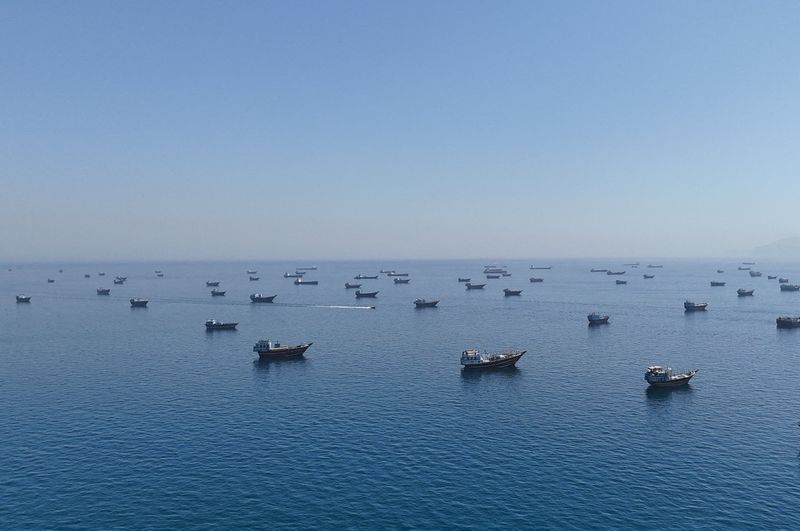
The Korea Maritime Institute (KMI) said on the 2nd that it recently published the Weekly Report on International Supply Chain Risk Monitoring for the last week of June, which included the findings.
The U.S. and Iranian governments announced the details of an agreement in Switzerland on the 19th of last month, including the full reopening of the Strait of Hormuz. Despite Israel's continued attacks on Lebanon through the end of last month, the number of ships passing through the strait has continued to rise.
Total traffic in the last week of June reached 43 vessels, up 168% from the previous week. In particular, crude oil tankers rose from zero in the prior week to 13, raising expectations for stable fuel prices.
On the 20th of last month, four Korean-flagged crude oil tankers operated by Janggeum Maritime passed through the strait: Gulf Surprise, Monaco Royalty, Angola B, and Bahrain Prosperity. Then on the 23rd, HMM's container ship DAON and crude oil tanker Universal Glory also transited the Strait of Hormuz.
With the resumption of traffic through the strait, crude oil shipments surged 1,218.8% from the previous week, marking a sharp recovery. According to the weekly report, the volume of crude oil passing through the Strait of Hormuz in the last week of June totaled 4.22 million DWT, up from 320,000 DWT the week before.
Following the reopening of the Strait of Hormuz, weekly crude oil exports to Yanbu Port in Saudi Arabia came to 3.65 million tons, down 14.8% from the previous week, or about 640,000 tons. By contrast, crude oil traffic through the Panama Canal reached 2.25 million DWT, up 6.1% from the previous week.
As for oil prices, the gap between very low sulfur fuel oil (VLSFO) bunker prices at the Port of Fujairah and the Port of Busan stood at $435.75, down about $31.0 from the previous week. Even so, the Port of Fujairah's bunker price remained at $1,166.5, about 1.6 times the level in Busan. The report interpreted this as evidence that the risk premium around the Gulf is still persisting.
[email protected] Byeon Ok-hwan Reporter