U.S. discusses barring foreign pregnant women from entering the country, aiming to block “birth tourism” at the source
- Input
- 2026-07-02 09:45:28
- Updated
- 2026-07-02 09:45:28
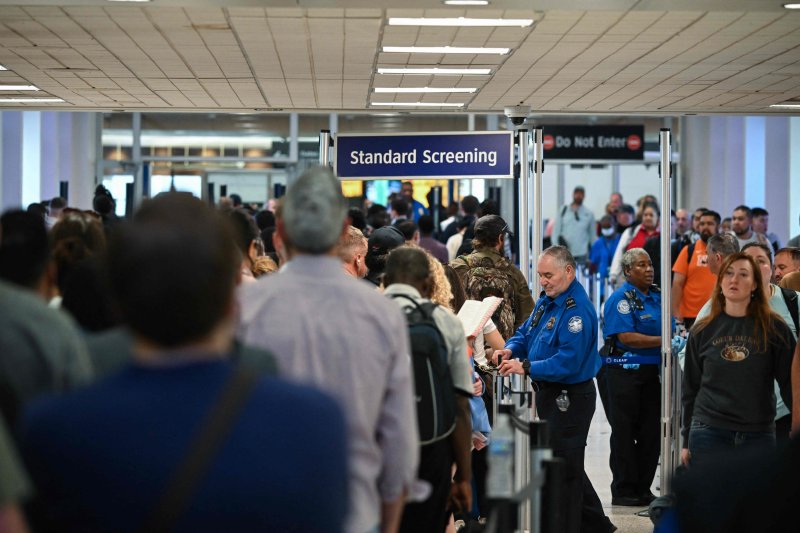
[Financial News] The second Trump administration is considering an alternative to challenge a Supreme Court ruling that supports birthright citizenship by blocking foreign pregnant women from entering the United States in the first place. However, the plan is expected to spark controversy over how immigration authorities would verify pregnancy.
Trump administration discusses a 'Plan B' after Supreme Court ruling
On the 1st, Axios, citing sources, reported that aides to U.S. President Donald Trump and figures within his support base, the MAGA movement, are discussing a 'Plan B' to counter the federal court ruling, including a ban on foreign pregnant women entering the country.Stephen Miller, the White House deputy chief of staff who helped design the Trump administration's hard-line immigration policy, said in a Fox News interview on the 30th of last month, "Even if only temporarily, we now need to think very carefully about who is entering the United States." He argued that children born to noncitizens could become U.S. citizens and gain access to the social safety net.
That same day, Sean Davis, founder of the right-wing U.S. outlet The Federalist, also posted on social media platform X that banning all foreign pregnant women from entering the United States could be one alternative to the birthright citizenship issue.
Birthright citizenship is a system that automatically grants citizenship to babies born on U.S. soil. Trump also argued during his first term in 2018 that the system should be abolished to curb the surge in immigration. On his first day in office on Jan. 20 last year, he signed an executive order barring birthright citizenship for children born to foreign parents staying in the United States illegally or temporarily.
In response, 22 states led by Democratic governors and Washington, D.C., filed lawsuits, saying the order violated the 14th Amendment. The amendment, enacted after the American Civil War, was designed to secure the legal status of formerly enslaved Black people and their descendants. It states that "all persons born or naturalized in the United States, and subject to the jurisdiction thereof, are citizens of the United States and of the state wherein they reside."
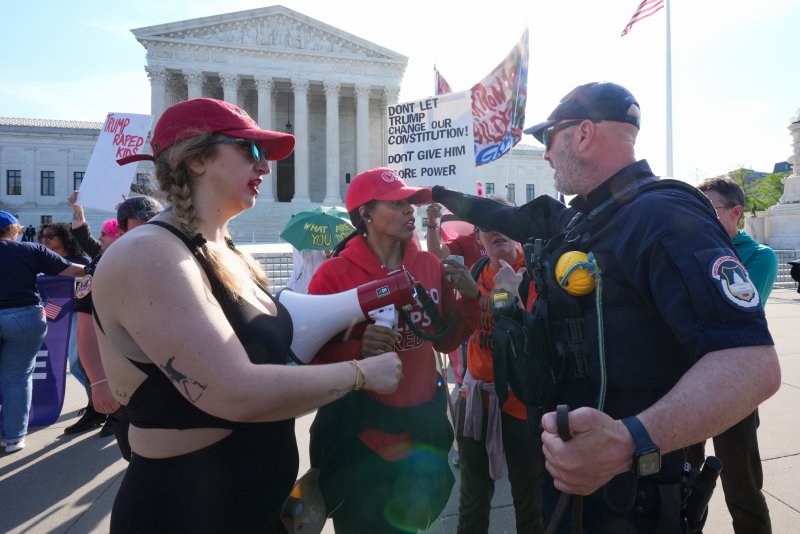
Lower courts had already ruled that Trump's executive order was unconstitutional and issued injunctions suspending its effect. In Supreme Court arguments on April 1, the Trump administration argued that citizenship cannot be granted simply because a person was born in the United States, and that the legal status of the parents and their allegiance to the United States should also be considered. Trump himself became the first sitting president to attend Supreme Court arguments. In its ruling on the 30th of last month, the Supreme Court said the executive order at issue violated the 14th Amendment.
'Birth tourism' crackdown takes priority... controversy over pregnancy checks
Axios explained that the U.S. government does not officially count the number of babies born to foreign pregnant women. But outside estimates put the number at 20,000 to 26,000 a year. According to the Centers for Disease Control and Prevention (CDC), a total of 3.6 million babies were born in the United States last year.In an email sent to Axios on the 1st, White House deputy press secretary Abigail Jackson said, "The president is working to protect the citizenship of naturally born Americans despite the Supreme Court ruling." She added, "The president has called on Congress to take immediate action to address this issue," and emphasized that "the Department of Justice will make investigations related to birth tourism a top priority." She went on to say, "The Trump administration has many tools to protect American citizenship." Trump himself has not yet directly said he supports a ban on foreign pregnant women entering the country.
According to documents released by the United States Department of Justice on X, Colin McDonald, the DOJ's first deputy assistant attorney general for fraud prevention, urged federal prosecutors in an internal memo signed on the 30th of last month to investigate birth tourism. He said, "U.S. criminal law prohibits conduct related to so-called birth tourism," and argued that "many of these schemes begin with fraudulent visa applications that lie about the purpose or length of a trip to the United States." He told prosecutors that many such cases could be charged as visa fraud, but that wire fraud, health care fraud, money laundering, and aggravated identity theft should also be considered.
There are also voices opposing a ban on foreign pregnant women entering the country. Katie O'Connor, senior director for federal abortion policy at the National Women's Law Center, told Axios, "The idea that information about who is pregnant and what their pregnancy status is could be handed over to the federal government, and even state governments, is a truly dangerous proposition."
She added, "It could be as simple as asking whether someone is pregnant during entry screening, but it could also be more than that. We cannot predict what this administration will do."
[email protected] Park Jong-won Reporter