SpaceX Reportedly Developing an AI Smartphone, but Musk Denies It [Global AI Briefing]
- Input
- 2026-07-02 08:25:12
- Updated
- 2026-07-02 08:25:12
According to TechCrunch on the 1st local time, SpaceX is said to have recently demonstrated a smartphone-like AI device prototype to some investors and stakeholders around the time of its initial public offering (IPO).
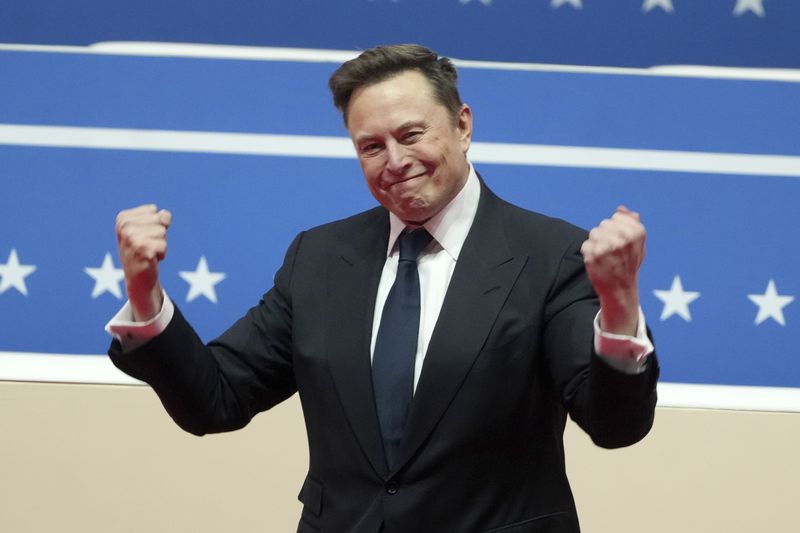
The prototype reportedly features a slim, refined design and appears to fall somewhere between a touchscreen phone and the Rabbit R1 AI device, suggesting it may have a small touchscreen. It is said to run on SpaceX's dedicated operating system and to be equipped with technology from Musk's AI company xAI, which was merged into SpaceX earlier this year.
At the time the prototype was shown, SpaceX reportedly said the project was still in its early stages, that the design was likely to change, and that commercialization remained uncertain.
Still, industry observers say SpaceX and Tesla already have the ability to mass-produce devices and access to their own semiconductors, making AI device production technically feasible.
In particular, SpaceX President Gwynne Shotwell reportedly told investors during the IPO briefing that the company aims to go beyond simply leasing satellite connectivity to carriers and become a full-fledged Mobile Network Operator (MNO) that charges consumers directly, like Verizon Communications Inc., AT&T, and T-Mobile US. That has fueled speculation that the hardware prototype may be part of a broader strategy linking rockets, satellite internet, and AI devices. Musk also said in January that developing a Starlink smartphone was "not out of the question."
As a result, the market reacted immediately despite Musk's denial, with Qualcomm shares jumping 3% after the company was named as a potential parts supplier for SpaceX's AI device.
[email protected] Lee Gu-soon Reporter