[Editorial] 30 Years of KOSDAQ: Trust Must Be Restored, and Structural Reform Can No Longer Wait
- Input
- 2026-07-01 18:20:36
- Updated
- 2026-07-01 18:20:36
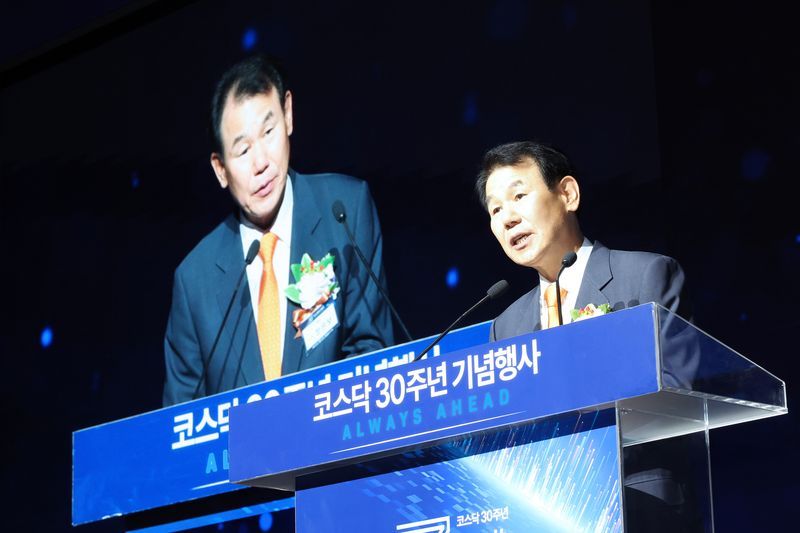
But in terms of substance, the disappointment is great. While KOSPI has heated up on the back of large-cap Semiconductor and Artificial Intelligence (AI) stocks, KOSDAQ has remained cold, making the phrase 'bull market' feel out of place. In the first half of this year, the KOSPI index raced to the 9,000 level, while KOSDAQ moved in the opposite direction. The market became increasingly volatile as it relied on a handful of large-cap stocks, deepening polarization. That is because a healthy ecosystem of small- and mid-cap growth stocks has not taken root to offset the concentration in large caps. KOSDAQ's slump is a sign of the structural weakness in Korea's stock market.
To correct the imbalance in Korea's stock market, KOSDAQ's structural reform can no longer be delayed. Above all, the most urgent task is to decisively weed out troubled companies. As long as zombie companies that merely prolong their lives through loopholes without improving performance remain in the market, investors will inevitably turn away. If this continues, innovative companies will be overlooked and the entire KOSDAQ market will remain undervalued. The decisive removal of distressed companies that muddy the market is the starting point for restoring trust.
It is overdue, but only natural, that the exchange and financial authorities identified tougher delisting rules and the introduction of market segments as key tasks on this day. What matters now is execution. They must go beyond declarations and lead the restoration of market order through firm action. Any conduct that undermines trust, such as inaccurate disclosures, embezzlement, breach of trust, or weak accounting practices, should be met with zero tolerance. Listing maintenance standards should also not stop at meeting minimum formal requirements. Companies should be judged more strictly on whether they deserve to remain in the market by comprehensively assessing sales, business continuity, technological capability, internal controls, and shareholder protection.
The introduction of market segments should also be pursued carefully but clearly. It is necessary to identify leading companies within KOSDAQ that have both growth potential and stability, so investors can recognize them more easily. To change the structure in which quality companies are lumped together with zombie firms and discounted, it is right to divide the market into more refined tiers.
The Korean economy is once again facing an opportunity for a leap forward, centered on Semiconductor and AI. But if the capital market remains trapped in a bias toward large caps, the innovation ecosystem cannot expand. For KOSDAQ to produce its own Samsung Electronics and SK hynix, the market must provide conditions in which technology companies can grow. Restoring trust in the market is the top priority. The first step is to fix a climate in which distressed companies and theme stocks that erode market credibility run rampant. A structure in which quality companies are not properly valued can no longer be left unchecked. KOSDAQ's next 30 years must be different. Through bold reform, it should fundamentally change its structure and open a new era of renewed growth.