U.S. Vice President Says Oil Shipments Through the Strait of Hormuz Have Returned to Prewar Levels
- Input
- 2026-07-01 12:22:32
- Updated
- 2026-07-01 12:22:32
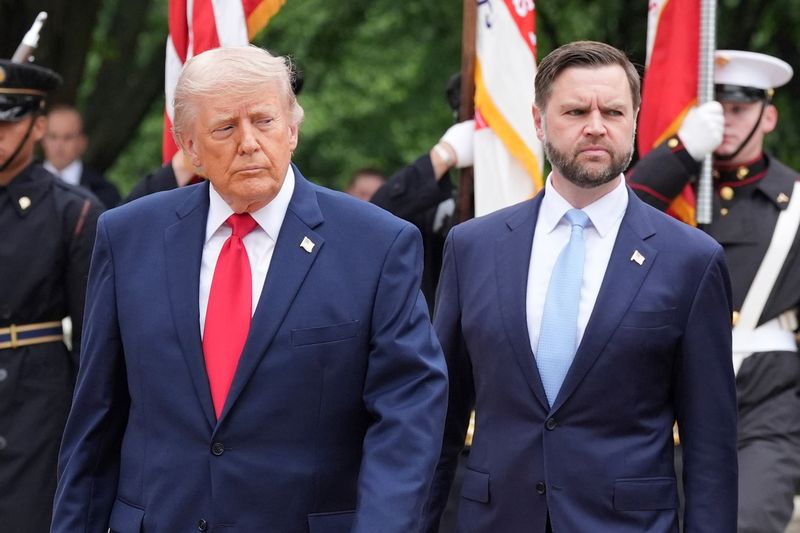
[Financial News] U.S. Vice President JD Vance, who is leading ceasefire talks with Iran, claimed that oil shipments through the Strait of Hormuz have returned to prewar levels. He said the number of cargo ships passing through the strait is still not high, but argued that the issue mainly involves other types of cargo. He stressed that oil transport has at least normalized.
According to local media outlets, including the New York Post, Vance made the remarks on June 30 local time during an appearance on the conservative U.S. podcast "The Michael Knowles Show." While explaining the status of the ceasefire memorandum with Iran, he referred to the Strait of Hormuz and emphasized that "the strait is open."
Vance said, "We are seeing more oil flowing through the [Strait of Hormuz], and on some days even more oil is moving through than before the war." Addressing the decline in overall vessel traffic, he added, "Skeptics will look at the number of ships passing through and say it is down from before the war, but what they are talking about is mostly cargo ships and other vessels." He also claimed, "As far as we can tell so far, oil shipments have reached prewar levels."
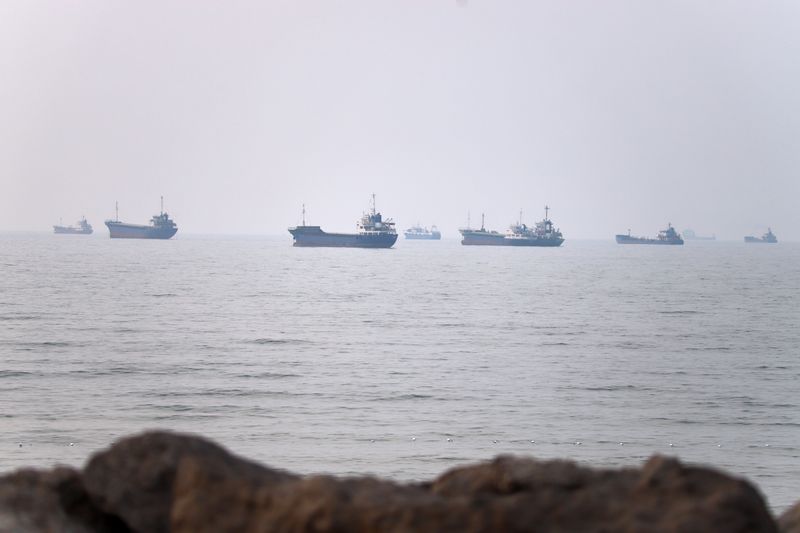
Before the Iran war in February, the Strait of Hormuz carried 20% to 25% of global maritime oil shipments, with an average of about 135 vessels passing through each day. According to the U.S. maritime intelligence platform Kepler, 78 vessels passed through the strait on February 28, the day the U.S. and Israel launched attacks on Iran.
The number of vessels briefly rose in April after the United States and Iran agreed to a ceasefire, but it fell again as the armed conflict continued. Traffic through the strait surged after the two sides signed a ceasefire memorandum on the 17th of last month and guaranteed passage through the strait for the next 60 days. By June 24, the number of vessels passing through the Strait of Hormuz had risen to 74.
However, traffic through the strait plunged again as the United States and Iran clashed there from June 25 to 27 last month. The number fell to 38 on June 27 and dropped further to 22 on June 28. It then rose to 40 on June 29 as both sides signaled a renewed willingness to talk.
Officially counted traffic through the strait still fell short of half the prewar level, contrary to Vance's claim. But the volume of oil passing through increased sharply relative to the number of vessels. U.S. Secretary of Energy Chris Wright said at an energy forum in New York on June 24 that "roughly 72 ships and 20 million barrels of crude oil passed through the strait in the past 24 hours. Today, the flow is normal." A daily volume of 20 million barrels is similar to the level seen before the Iran war.
On the podcast last month, Vance said the recovery in oil transport was helping stabilize the international energy market. "The global oil economy is getting back in sync," he said. "It will take time, but you have probably already seen oil prices fall significantly."
Meanwhile, Vance criticized hardliners within the Republican Party who want to resume the war instead of negotiating with Iran. He said, "What is most disappointing about the critics in the Republican Party who argue for continuing the war with Iran is that they do not realize how completely they were losing the political argument because of what was happening in the global energy market."
Vance argued, "What we are doing now is relieving a major burden on the global economy while giving up none of the gains we have secured and keeping many options open." He added, "I think we are in a very good position, but uncertainty remains because no one can be sure what the Iranians want."
[email protected] Park Jong-won Reporter