AI Led the Way, Semiconductors Pushed It Forward... U.S. Stocks Rally at the Fastest Pace in Six Years
- Input
- 2026-07-01 10:13:53
- Updated
- 2026-07-01 10:13:53
The Best Quarter, Led by Semiconductors and AI
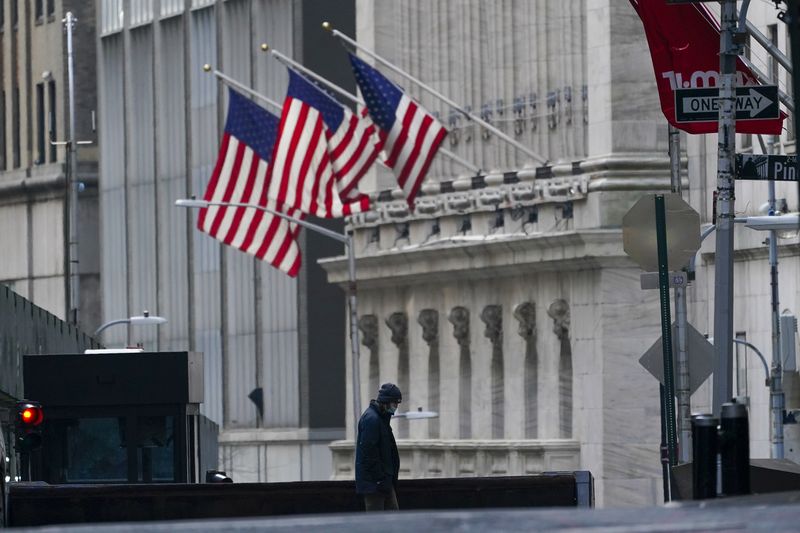
The Standard & Poor's 500 Index and the Nasdaq Index recorded their biggest quarterly gains in six years on the 30th local time. The S&P 500 rose 58.93 points, or 0.79%, from the previous session to close at 7,499.36, while the Nasdaq gained 393.58 points, or 1.52%, to finish at 26,213.72. For the second quarter, the two indexes rose 14.9% and 20%, respectively, their highest levels since 2020. Since the start of the year, the S&P 500 and Nasdaq have each set new all-time highs 24 times and 20 times, respectively.
The Dow Jones Industrial Average also posted its strongest first-half gain in five years. The DJIA rose 0.3% on the day, extending its record high streak to a second straight session, and climbed 8.8% for the first half as a whole.
The rally was led by semiconductor companies and large-cap technology stocks. The so-called Magnificent Seven — Amazon, Apple, Microsoft, Alphabet, Meta, Tesla and NVIDIA — surged about 30% from the end of March to the end of May. In particular, fueled by rising demand for AI semiconductors, Micron Technology jumped 242% this quarter, AMD rose 186%, Broadcom gained 22%, and NVIDIA advanced 15%. The Philadelphia Semiconductor Index also soared 88%, marking its best quarterly return on record.
The second half will be shaped by interest rates and AI profitability
The stock market in the second half of the year presents both hopes and concerns. On Wall Street, investors expect the AI-driven rally to broaden into financials, industrials and small-cap stocks. On the other hand, questions about the profitability of AI investment, concerns over stretched valuations and the possibility of another rate hike this year are seen as headwinds.
Valuation pressures have also risen to historically high levels after the recent surge in share prices. The Magnificent Seven, in fact, fell about 9% in June alone. Christina Hooper, chief market strategist at Man Group, told The New York Times (NYT), "When innovative technologies enter a mature stage, investors begin to evaluate companies more strictly," adding, "Hyperscalers are no exception."
Monetary policy is another key variable. Since taking office, Kevin Warsh, chairman of the Federal Reserve System (Fed), has shown strong vigilance toward inflation. Driven by higher energy prices sparked by the United States-Iran war, the inflation gauge closely watched by the Fed has recently climbed to 4.1%, far above its 2% target. Earlier this year, markets expected rate cuts from the Fed, but that mood changed after the war sent energy prices sharply higher. As inflation expectations rise again, Treasury yields are climbing to reflect the possibility of additional rate hikes.
Nathan Tufts, chief investment officer at Manulife Investment Management, told The Wall Street Journal (WSJ), "There is currently a great deal of uncertainty surrounding global central bank policy, and at the center of it is the Fed."
On the other hand, the market is taking a positive view of the fact that the rally is spreading beyond large-cap technology stocks. The Russell 2000 Index and the Dow Jones Transportation Average, both focused on small and mid-sized companies, have posted their best year-to-date performance since 1991. By sector, financials rose 4.2%, health care gained 6.5% and industrials advanced 7.2%, while information technology and communication services each fell more than 3%.
Some market participants are also saying that a broadening rally has begun, with money moving out of a handful of large tech names and into sectors expected to show stronger earnings. Saira Malik, chief investment officer at Nuveen, said, "This will not remain a market led only by technology stocks."
[email protected] Reporter Lee Byung-chul Reporter