Iran Rejects Second Round of Ceasefire Talks With the United States, Saying the Memorandum Must Be Honored First
- Input
- 2026-07-01 06:40:21
- Updated
- 2026-07-01 06:40:21
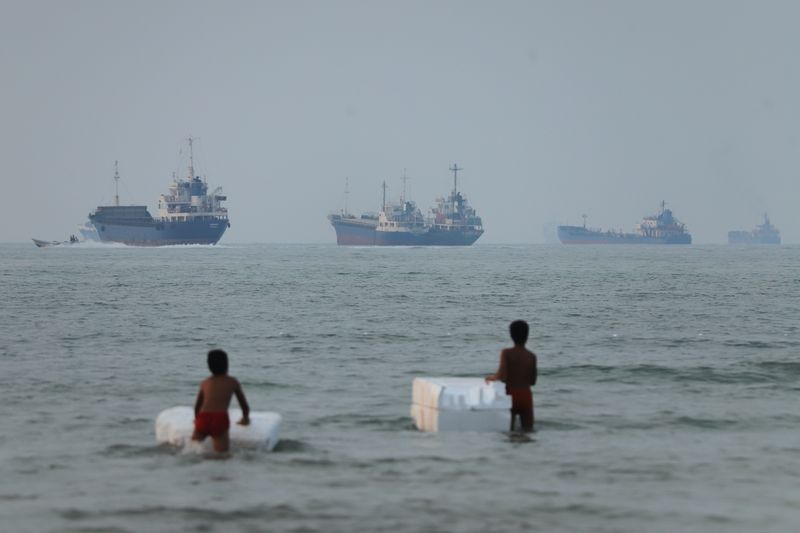
[Financial News] Iran, which had been expected to hold a second round of working-level ceasefire talks with the United States in Switzerland on June 30 local time, said it will not hold any further negotiations until the ceasefire memorandum is observed. Tehran also stressed that it cannot compromise on Iran's rights in the Strait of Hormuz.
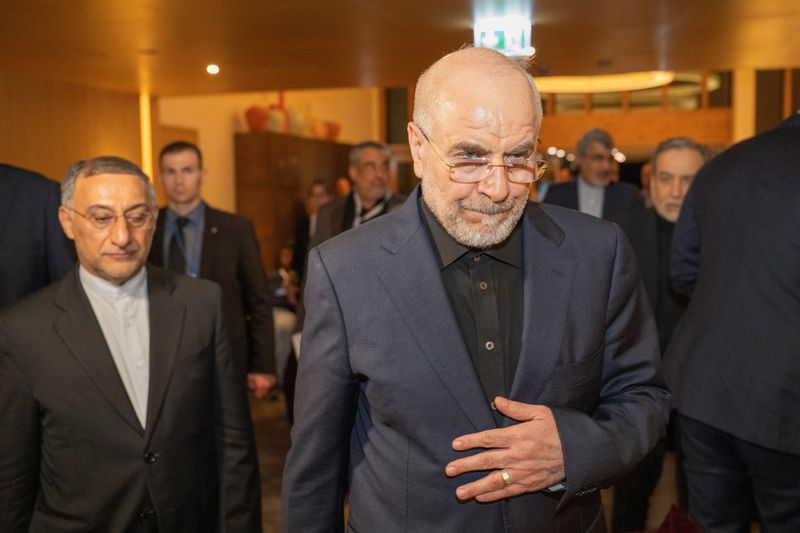
Iran International, a dissident Iranian outlet based in the United Kingdom, reported on June 30, citing Mohammad Bagher Ghalibaf, speaker of the Parliament of Iran and head of Iran's ceasefire negotiating team.
Ghalibaf said through Iranian state media that "our talks with the United States continued only until the memorandum was signed, and there are no ongoing negotiations now." He added, "The visit to Switzerland was to discuss the implementation of the five memorandum clauses, and we will not hold additional talks until the memorandum's conditions are met."
Ghalibaf also emphasized that "the Pakistani prime minister's announcement of the end of the war and U.S. President Donald Trump's tweet about lifting the maritime blockade were among the key outcomes of the memorandum." He said, "Differences will clearly arise in the process of implementing the ceasefire," and added, "We are continuing the dialogue process to implement Article 13 of the memorandum."
Pakistan's Prime Minister Shehbaz Sharif, who mediated the ceasefire between the United States and Iran, said on social media platform X on June 14 that "both the United States and Iran have declared an immediate and permanent end to military operations on all fronts, including Lebanon." Trump also posted on Truth Social that same day, saying, "I have approved the open passage through the Strait of Hormuz without transit fees and the immediate lifting of the U.S. Navy's maritime blockade around Iran." The two sides signed the memorandum directly on June 17 and held their first working-level ceasefire talks after it took effect in Switzerland on June 21-22.
However, the two sides again engaged in an armed clash in the Strait of Hormuz between June 25 and 27. Trump announced on Truth Social on June 29 that U.S. and Iranian delegations would meet in Doha, Qatar, on June 30. That same day, White House press secretary Karoline Leavitt also told Fox News in an interview that Jared Kushner, Trump's eldest son-in-law, and U.S. special envoy for the Middle East Steve Witkoff were heading to Qatar for high-level talks with Iran. But Iran's Foreign Ministry said in a June 29 statement that no working-level talks with the United States were planned this week.
Article 13 of the memorandum, which Ghalibaf referred to on June 30, states that final negotiations on the remaining clauses will proceed only after fighting on all fronts, including Lebanon, ends; the U.S. lifts its maritime blockade on Iran; Iran is allowed to export oil products; and frozen Iranian assets overseas are released.
Ghalibaf said Iran would never compromise on its rights in the Strait of Hormuz and claimed that the waiver on transit fees applies for only 60 days under the memorandum. He added that Iran has exported more than 40 million barrels of oil since the United States ended its maritime blockade and that the country is selling crude at prices 20% higher than before.
Meanwhile, Qatar's Prime Minister Sheikh Mohammed bin Abdulrahman Al Thani said in a June 30 statement that the U.S. delegation, including Witkoff, had arrived in Qatar. He said Qatar would continue mediating ceasefire talks between the United States and Iran.
[email protected] Park Jong-won Reporter