Egg Price Collusion Exposed Amid AI Outbreak; Three Major U.S. Producers Caught
- Input
- 2026-07-01 04:08:39
- Updated
- 2026-07-01 04:08:39
The DOJ and attorneys general from 17 states said on the 30th local time that Cal-Maine Foods, Versova and Hickman's Egg Ranch colluded to manipulate egg price benchmarks from June 2022 to March 2025.
According to authorities, the companies systematically submitted high bids to push up the daily egg benchmark price published by Urner Barry, a price information provider. Urner Barry prices are widely used as the basis for contract prices at U.S. supermarkets, restaurants and food service companies.
Prosecutors said the companies used bids on the Egg Clearinghouse exchange and over-the-counter transactions to make demand appear stronger than it really was, thereby lifting the benchmark price.
In particular, it was revealed that in December 2022, Glen Hickman, then CEO of Hickman's, sent an email to executives at Cal-Maine and Versova saying, "Bid strong, bid early, and bid often." Investigators found that the three companies later submitted dozens of high-priced bids, while other market participants placed fewer than six bids. On the same day, Urner Barry raised its benchmark price.
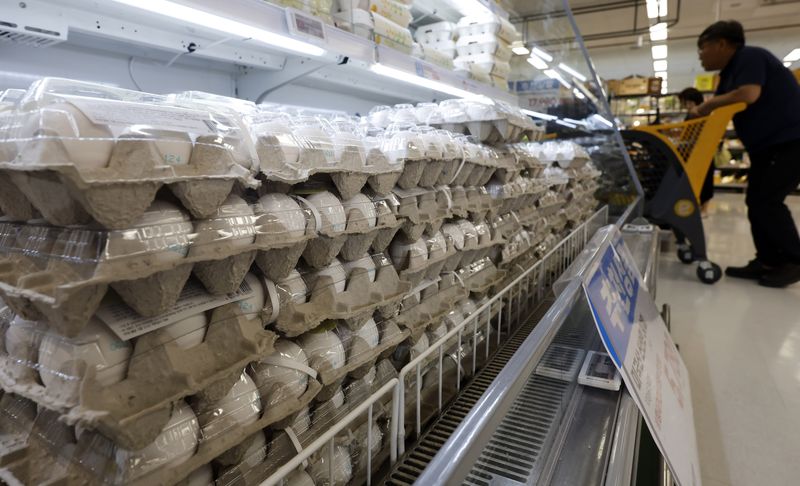
The case is drawing even more attention because it comes amid a sharp rise in egg prices felt by U.S. consumers. As avian influenza spread and millions of laying hens were culled, egg supplies plunged, and eggs became one of the most visible items contributing to household inflation in the United States.
According to Expana, the price of large Grade A eggs surged to an all-time high of more than $8.50 per dozen in February last year. By May this year, however, it had fallen to around $2.19.
Authorities concluded that supply shortages alone could not explain the price spike. Wholesale egg prices fell sharply after news of the DOJ investigation became public in March, adding weight to suspicions of price collusion. The DOJ said that because billions of eggs are traded each year based on Urner Barry prices, any artificial increase in the benchmark is passed on to consumers through supermarkets and restaurants.
The three companies did not admit the allegations, but accepted the settlement to avoid prolonged litigation. Under the agreement, they must donate a total of 53 million eggs to food banks and nonprofit organizations and pay $3.3 million. They must also stop sharing pricing or bidding strategies with competitors and establish antitrust compliance systems.
[email protected] Reporter Lee Byung-chul Reporter