"Gold bows to rate hikes," posts worst quarterly performance in 13 years
- Input
- 2026-07-01 04:16:21
- Updated
- 2026-07-01 04:16:21
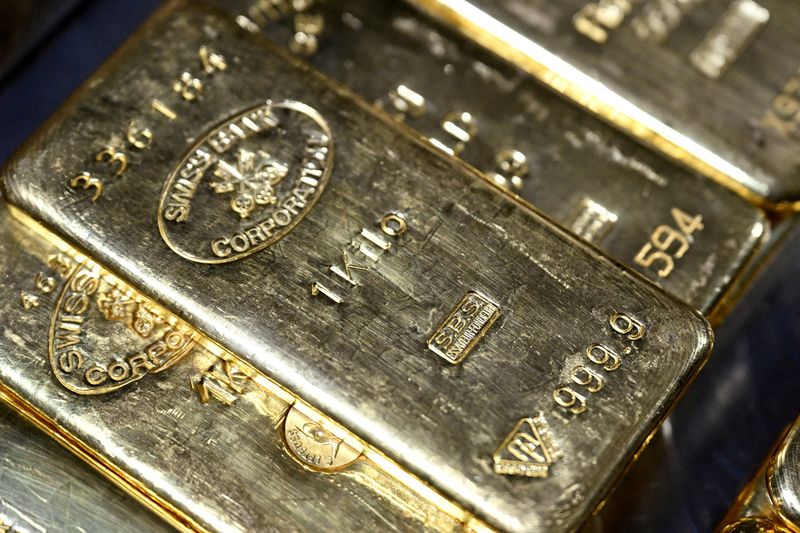
Gold prices recorded their worst quarterly performance in 13 years.
The August gold contract fell nearly 14% in the second quarter, with weakness continuing on June 30 local time in the New York market, where intraday prices briefly broke below $4,000 per ounce.
The main reason was the Federal Reserve System's growing tilt toward rate hikes. When interest rates rise, the opportunity cost of holding non-yielding gold increases. Investors tend to prefer assets that pay interest, which reduces demand for gold.
According to Financial Times (FT), gold prices briefly fell below $3,943 per ounce in early trading that day, the lowest level since November last year.
The situation was very different at the start of the year.
With expectations that the Federal Reserve would continue cutting rates, gold prices surged to nearly $5,595 per ounce in January, setting an all-time high.
Tom Price, an analyst at Panmure Liberum, said, "The main background to the decline in gold prices is the market's realization." He added, "Investors have come to understand that the new Fed chair is concerned about inflation and will move to raise rates." Kevin Warsh signaled the possibility of a rate hike later this year at the Federal Open Market Committee (FOMC) meeting on the 16th and 17th, his first meeting since taking office.
Price said, "As a result, gold is retreating."
When rates rise, interest-bearing assets such as U.S. Treasury bonds and corporate bonds become relatively more attractive, so demand for gold usually falls.
Gold had risen almost nonstop for the past two years, but it has been swinging sharply this year.
The Iran war launched by U.S. President Donald Trump on Feb. 28 was a particularly negative factor. Geopolitical uncertainty from war usually lifts gold prices, a classic safe-haven asset, but this time was different. The war raised concerns that the Strait of Hormuz could be blocked, heightening worries about oil supply and triggering fears of higher inflation and interest rates, which pushed gold prices lower.
The situation was further worsened by the selloff from investors who had used margin trading and were forced to sell gold to meet collateral requirements as the stock market struggled.
Some investors also sold gold to invest in Artificial Intelligence (AI) and semiconductor stocks, and to receive SpaceX common stock dividends.
Recent net outflows from gold exchange-traded funds are also adding to the pressure. According to the World Gold Council (WGC), gold ETFs have seen net outflows for two straight months, continuing into June after May.
Nicky Shiels, an analyst at MKS PAMP, said the trigger for gold's weakness was "not just one thing." She noted that "market flows shifted to AI and SpaceX... and inflation data was unfavorable for gold." She also explained that a stronger U.S. dollar, ETF outflows, and rising uncertainty over the Fed all contributed to gold's weakness.
However, some optimistic views remain.
In a late-night research note on the 28th, Goldman Sachs reaffirmed its year-end target of $4,900 per ounce, saying, "The gold rally is not over yet."
[email protected] Song Kyung-jae Reporter