China Designates 20 Japanese Companies and Institutions for Export Controls, Second Such Move Since February
- Input
- 2026-06-29 13:33:40
- Updated
- 2026-06-29 13:33:40
[Financial News] China, which has been pressuring the Japanese government on political and economic fronts since last November, has barred 20 Japanese companies and institutions from purchasing Chinese goods that can be used for military purposes. This is the second export restriction measure since February, bringing the total number of targeted entities to 40.
20 entities banned from dual-use exports, 20 placed under stricter review
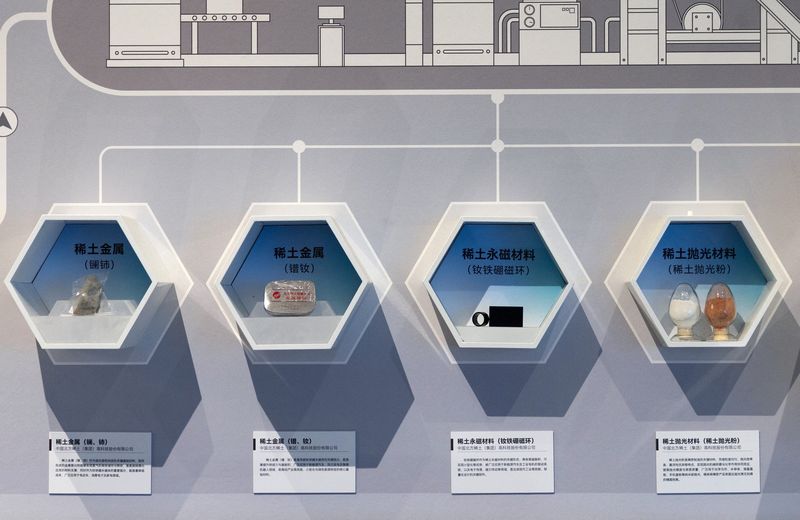
In a statement on the 29th, MOFCOM said it had placed 20 Japanese companies and institutions on its export control list in accordance with the Export Control Law and the Dual-Use Items Export Control Regulations. The restrictions took effect immediately upon the announcement.Dual-use items generally refer to materials that can be used for both military and civilian purposes. Rare earths and minerals used in industrial materials are also included in this category. Under the new measure, exporters in China are prohibited from shipping dual-use items to the 20 listed entities. Overseas organizations and individuals are also barred from transferring or providing Chinese dual-use items to the targeted entities. Any related transactions already underway must be halted immediately. If exports are needed for special reasons, approval from MOFCOM is required.
The export control list includes defense research institutes, land equipment research institutes, ship equipment research institutes, and aviation equipment research institutes, as well as Nikko Toki, Nikko YPK Trading, Mitsubishi Electric Defense and Space Technologies, and Mitsubishi Heavy Industries Logistics.
MOFCOM also designated 20 Japanese companies as an "attention list" because their end users and end uses for dual-use items could not be verified. The list includes Mitsui E&S, Terra Drone, ACSL, Fujitsu Network Solutions, and Hitachi Advanced Systems.
Companies on the attention list may still receive exports, but only with MOFCOM's approval. The ministry said, "Exporters cannot apply for a general license when shipping dual-use items to these companies." It added, "When applying for an individual license, they must submit a risk assessment report on the company on the attention list and provide a written pledge that the dual-use items will not be used for purposes that help strengthen Japan's military capabilities."
MOFCOM stressed that exports to companies on the attention list will not be approved if they are intended for "Japanese military users or any other end users that could help enhance Japan's military capabilities."
Similar sanctions to those in February, aimed at checking Japan's military buildup
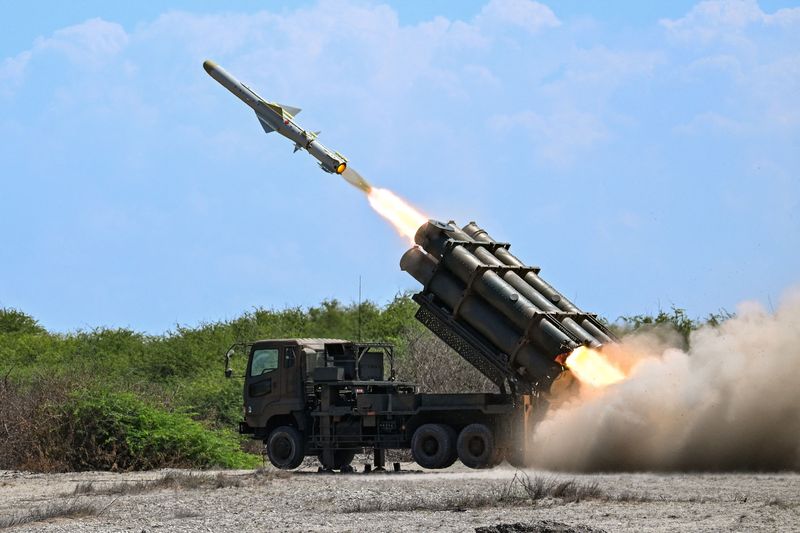
MOFCOM said the latest export control and attention list adjustments were intended to safeguard national security and the national interest, and to fulfill international non-proliferation obligations. It also said the measures were meant to curb Japan's remilitarization and attempts to obtain nuclear weapons.A ministry spokesperson criticized Japan, saying, "Instead of reflecting on its mistakes, Japan is actively promoting 'new militarism,' accelerating remilitarization, deploying offensive weapons, and even firing offensive missiles overseas." Japan's Ground Self-Defense Force fired an 88-type anti-ship missile during the Balikatan exercise in the Philippines on the 6th of last month. It was the first time Japan had launched an offensive weapon overseas since its defeat in the Pacific War in 1945.
MOFCOM added, "We hope Japan will turn back from the wrong path, correct its mistaken actions, sincerely reflect, and return to the right track." It also said, "This measure only restricts exports of dual-use items to a small number of Japanese entities. It will not affect normal economic and trade exchanges between China and Japan, and law-abiding Japanese entities have nothing to worry about."
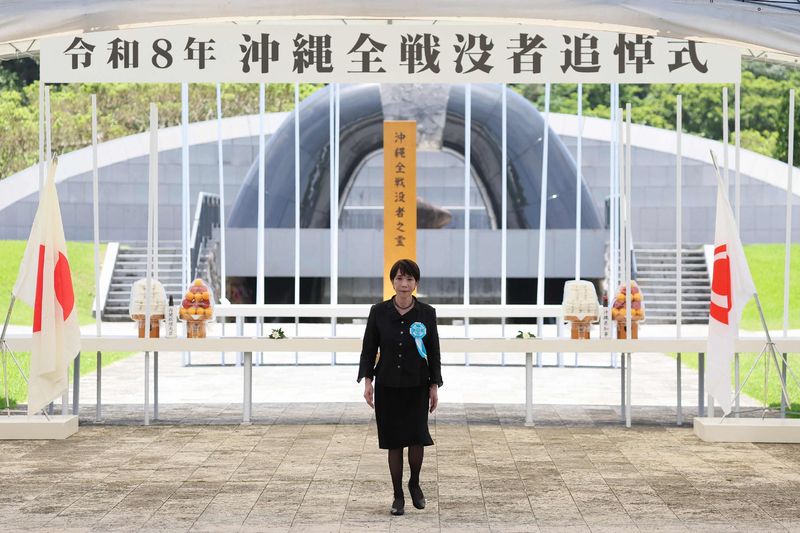
Earlier, Japanese Prime Minister Sanae Takaichi said in a Diet speech on November 7 last year that the Japan Self-Defense Forces could intervene if China moved to blockade Taiwan. In response, China launched political and economic retaliation, including live-fire drills near Japan, a ban on imports of Japanese seafood, and pressure to block Japanese tourism. In a February 24 announcement, MOFCOM placed 20 Japanese companies on its dual-use export control list, including five Mitsubishi Group affiliates such as Mitsubishi Heavy Industries Shipbuilding and Aero Engine Corporation. At the same time, it added 20 companies, including Subaru, to the attention list.
[email protected] Park Jong-won Reporter