How to Do a Dopamine-Boosting Morning Run Right: Start With This First [Smart Wellness]
- Input
- 2026-06-29 14:04:52
- Updated
- 2026-06-29 14:04:52
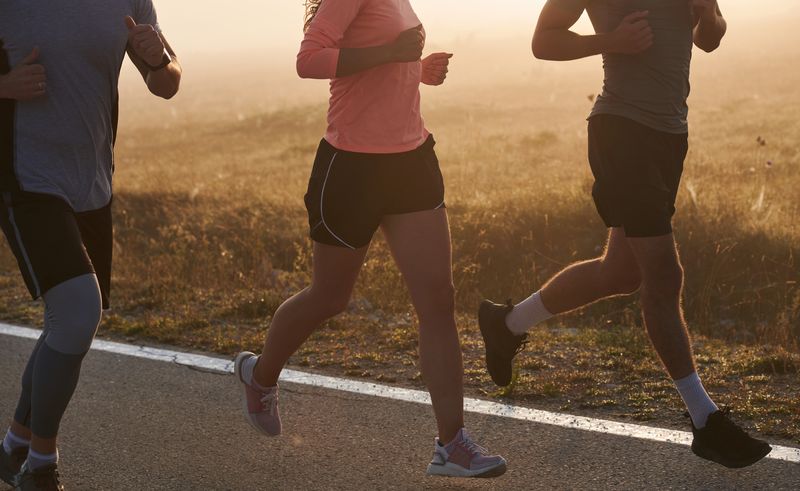
[Financial News] Morning running is one of the best ways to start the day. Compared with other times of day, it helps burn body fat faster, wakes up the brain to improve focus, and releases neurotransmitters such as endorphins, making it easier to begin the day with energy.
The power of morning running to boost dopamine and support dieting
In the morning, the body naturally increases secretion of cortisol, the hormone that helps wake it up. The body, just out of sleep, is preparing to become active. In that process, running acts as a kind of warm-up for the brain. Even a light jog raises the heart rate, and blood flow to the brain increases as well. That can improve concentration, memory, and decision-making. This is why many biographies of successful people mention a morning jog after waking up.
Exercise also releases mood-boosting neurotransmitters such as serotonin, dopamine, and endorphins. They help turn a sluggish morning state into one that feels more positive and energetic.
Morning is also the best time to use body fat as fuel. After fasting overnight, the body has depleted its carbohydrate stores and relies more on fat for energy. If you raise your metabolism in the morning, you may also burn more calories than usual even after the run ends.
A morning run should begin with hydration and end with stretching
Before starting a morning run, it is a good idea to drink water. If you do not replenish the fluids lost during sleep, your heart rate will rise more quickly and fatigue will increase. If your stomach feels fine, adding fast-digesting carbohydrates such as a banana or nuts can also help restore energy quickly.
Right after waking up, the joints and muscles are still cool. The thighs and calves are stiff, and the joints may crack. If you pick up the pace in that condition, the risk of injury only goes up. Stretch for about two to three minutes before running. Loosen the ankles, calves, and hips with light movements. For the first five minutes, it is best to walk briskly or jog very slowly. The goal is to raise body temperature gradually.
Once your body has warmed up a bit, gradually increase your pace. You should be breathing a little harder, but not excessively. A pace at which you can talk but not sing is ideal. At this stage, heart rate and breathing rise steadily, and the brain-waking effect is also strong.
In the final stage, slow down gradually. If you stop suddenly after running at speed, it can strain the joints. The goal is to guide the body back into a stable state little by little.
The run should end with stretching. After running, the calf muscles are tight. Spending three to five minutes loosening the calves and the rest of the body helps ease stiffness and makes you feel lighter. Breathing is important. If you move slowly while exhaling deeply, the parasympathetic nervous system becomes more active and tension eases. When you get home and shower, lukewarm water is best. Hot water can keep the body in an awakened state for too long and leave you feeling tired. Water that is too cold can lower your morning body temperature too abruptly.
kind@fnnews.com Kim Hyun-sun Reporter