Trump Says Iran "Will Not Exist" as U.S. and Iran Trade Military Strikes for a Second Straight Day
- Input
- 2026-06-28 14:18:19
- Updated
- 2026-06-28 14:18:19
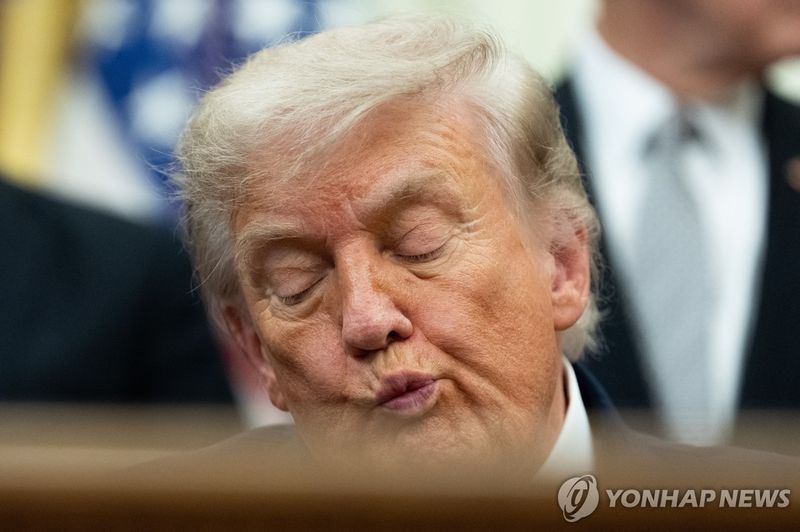
As both sides blame each other for the clashes, there are growing concerns that follow-up working-level talks on ending the conflict, expected as early as the 29th, may be in doubt. On the 27th local time, CENTCOM said it had carried out airstrikes on Iran "in direct response to Iran's continued attacks on commercial vessels. " It added that U. S. aircraft struck 10 military targets, including "reconnaissance infrastructure, communication systems, air defense bases, and drone storage facilities. " CENTCOM also said, "This strike was carried out under the direction of the commander in chief.
" The statement made clear that the attack was a retaliatory strike ordered by Trump. CENTCOM explained that after the United States launched airstrikes in retaliation for Iran's attack on the commercial vessel Everably the previous day, Iran was given a chance to comply with the ceasefire agreement. However, it rejected that opportunity by launching a one-way attack drone at the Kikuho at 4:30 a. m. Eastern Time on the same day.
The Kikuho is a Panamanian-flagged tanker carrying more than 2 million barrels of crude oil and was reportedly passing near the Strait of Hormuz. Shortly after CENTCOM's announcement, Trump confirmed the U. S. airstrikes on Iran through Truth Social and threatened, "There may come a time when we have to finish militarily what we started so successfully. If that happens, Iran will no longer exist.
" Ebrahim Zolfaghari, spokesperson for Iran's Islamic Revolutionary Guard Corps (IRGC). The IRGC announced on the 27th local time that it had struck U. S. military bases in the Middle East in response to the U. S.
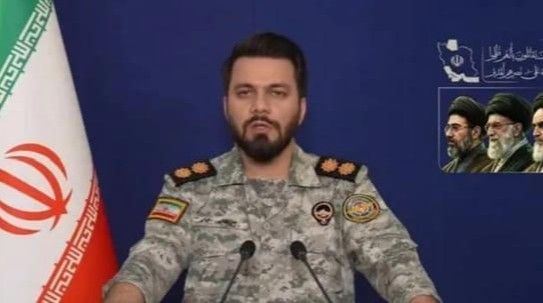
The United States and Iran had already engaged in a similar exchange of force the day before. U. S. forces struck Iran's missile and drone storage facilities in retaliation for attacks on commercial vessels, and Iran responded by attacking Bahrain. As the two sides continued their second day of military exchanges triggered by Iran's attacks on commercial vessels, tensions in the Strait of Hormuz surged further.
With the military standoff intensifying, there are also concerns that follow-up negotiations, expected to be held in Switzerland as early as the 29th, may fall through.
[email protected] Hong Chaewan Reporter