North Korea's widening wealth gap and brutal inflation are fueling youth discontent, threatening Kim Jong Un
- Input
- 2026-06-28 13:06:01
- Updated
- 2026-06-28 13:06:01
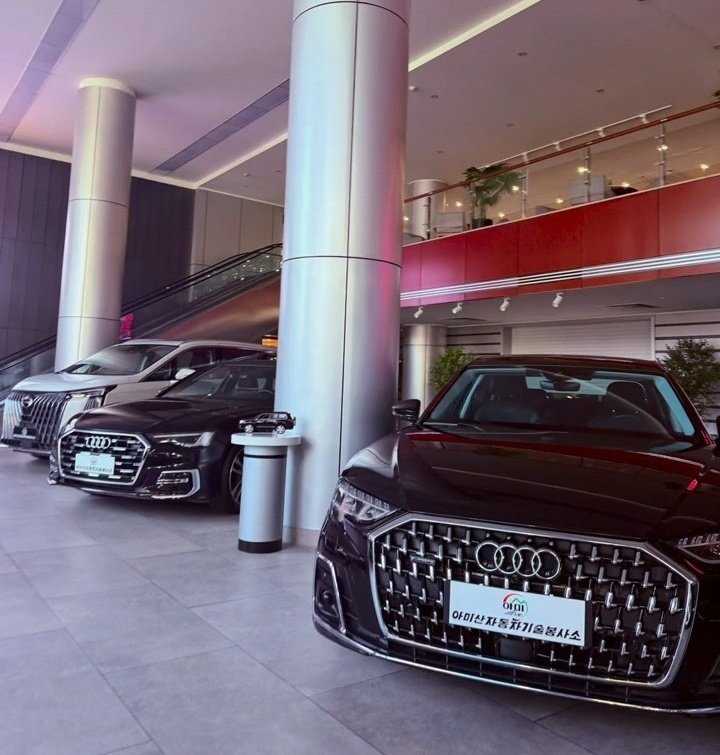
According to a source on North Korea on the 28th, the wealth gap and social polarization have widened to their most severe level since the regime was established after Kim Jong Un came to power.
By shifting the burden of securing foreign currency onto the private sector and local regions, North Korea's won-dollar exchange rate has surged more than 377% over the past two years, causing the currency's value to collapse. Rice prices are also said to have nearly quadrupled over the past year. Although North Korea's economy has grown rapidly with economic support from Russia and China, record inflation has made life even harder for ordinary residents.
According to the IBK Economic Research Institute, North Korea's won-dollar exchange rate has jumped nearly 80% so far this year alone, breaking above the 70,000-won level for the first time since the 2009 financial crisis. The sharp rise in the exchange rate is feeding into higher prices. Gasoline prices also rose 77.4% in the first quarter alone, from 42,000 won per liter to 74,500 won.
Moreover, most of North Korea's growth is concentrated in Pyongyang, while development in the provinces remains lagging.
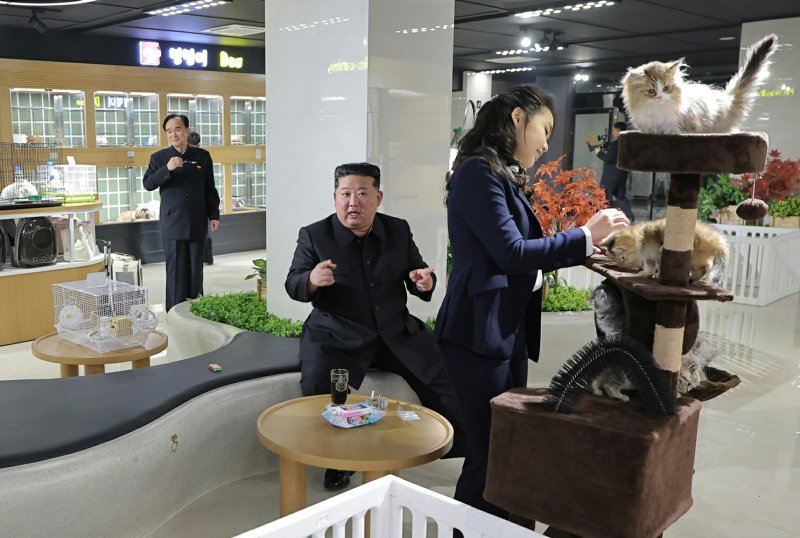
Wealthy residents in Pyongyang earn hundreds of dollars, drive electric vehicles, and keep pets. In the provinces, however, ordinary people are struggling with severe inflation and economic hardship that makes even corn rice difficult to afford.
The egalitarianism that once sustained North Korean society is also being shaken by the wealth gap. Despite being a socialist state, there are even reports of underground private housing transactions. Unlike in South Korea, the 3rd and 4th floors are traded as the most expensive "royal floors," making the wealth gap clearly visible in the real estate market as well.
According to a United Nations Development Programme (UNDP) report, the top 1% privileged class in North Korea monopolizes 15% of total income. The divide in foreign-currency assets is also extreme. Donju, the emerging capitalists who control trade and distribution, and powerful party, government, and military officials are spending dollars and yuan on luxury goods. A large-scale survey by the Ministry of Unification (MOU) found that 9 out of 10 North Korean defectors believe the wealth gap in North Korea is severe. [email protected] Kim Kyung-soo
[email protected] Kim Kyung-soo Reporter