Iran Warns U.S. to Stop Making Contradictory Remarks, Talks Likely to Resume on 29-30
- Input
- 2026-06-25 09:22:12
- Updated
- 2026-06-25 09:22:12
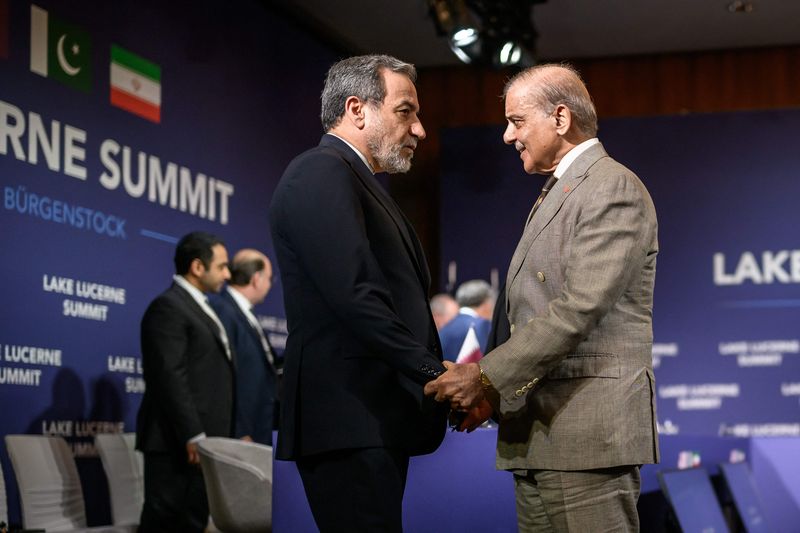
[Financial News] Iran's government, which is holding ceasefire talks with the United States, urged Washington not to deepen distrust with contradictory remarks and a memorandum of understanding. The two sides are expected to meet again in Switzerland later this month to resume working-level negotiations.
According to IRIB, Esmaeil Baghaei, spokesperson for Iran's Foreign Ministry, referred in a statement on the 24th, local time, to the ceasefire memorandum that took effect on the 18th. He said, "Contradictory remarks by U.S. officials over the memorandum to end the war do not ease the deep distrust of Iranians; instead, they only remind us of past U.S. breaches of promises."
He urged the U.S. administration to remember that the principle of "a promise for a promise" requires both sides to fulfill their obligations, and that it should avoid arbitrary interpretations that run counter to the original text of the memorandum.
Baghaei said, "Drawing lessons from the past 50 years, especially the developments over the past year and a half, we remain on guard." He added, "The U.S. administration has never shown sincerity in its dealings with the Iranian people." Baghaei stressed that Iran entered the diplomatic process in good faith despite that distrust and signed the memorandum to end the imposed war.
Earlier, the United States and Iran held their first working-level ceasefire talks in Switzerland on the 21st and 22nd after signing the memorandum, and both sides claimed there had been significant progress.
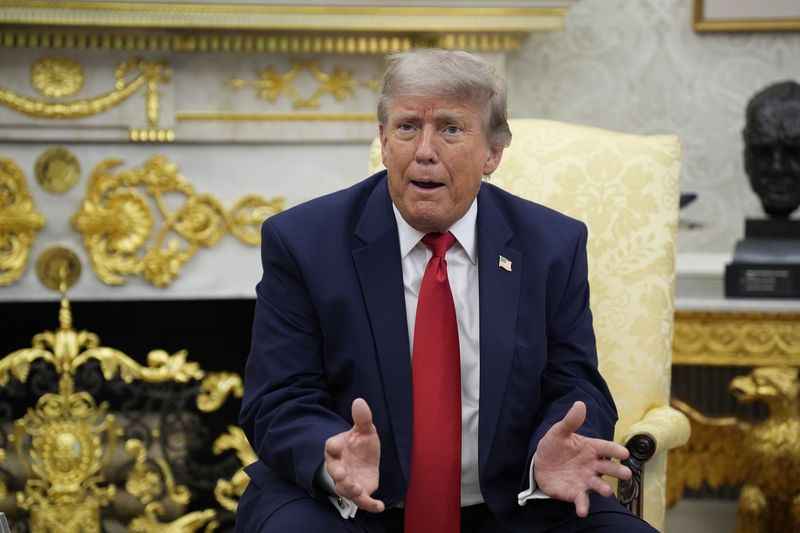
When the talks ended on the 22nd, Donald Trump said Iran should use its frozen overseas assets to "buy food for the people," adding, "Right now, their people are very hungry, and they are buying corn and soybeans entirely from us." In response, Abdol Nasser Hemmati, governor of the Central Bank of Iran, countered that Iran has "no obligation to buy agricultural supplies from the United States."
Trump also told reporters on the 23rd that inspectors from the International Atomic Energy Agency (IAEA) would inspect Iranian nuclear sites destroyed by U.S. airstrikes. That same day, Baghaei said Iran had not accepted IAEA inspections and stated, "Whether inspections will take place will be decided based on the course and outcome of future negotiations." Trump responded by saying, "They are wrong," and warned, "If they are right, I will cancel the meeting immediately." In a Fox News interview on the 24th, Trump also claimed that U.S. inspectors would join the IAEA when it enters Iran to search for highly enriched uranium.
Meanwhile, U.S. Secretary of State Marco Rubio said in Kuwait on the 24th that he expects the "working group to return to negotiations on the 29th or 30th" regarding the ceasefire talks. He added, "If I am not mistaken, the talks will take place in Switzerland."
At a regular briefing the same day, Tahir Andrabi, spokesperson for Pakistan's Ministry of Foreign Affairs, also said, "The (working-level) talks appear likely to resume next week, probably on Tuesday (the 30th)." He added, "It could also be Monday (the 29th) or Wednesday (July 1)."
pjw@fnnews.com Park Jong-won Reporter