SpaceX conquers the stock market, but stalls in the bond market
- Input
- 2026-06-24 18:15:04
- Updated
- 2026-06-24 18:15:04
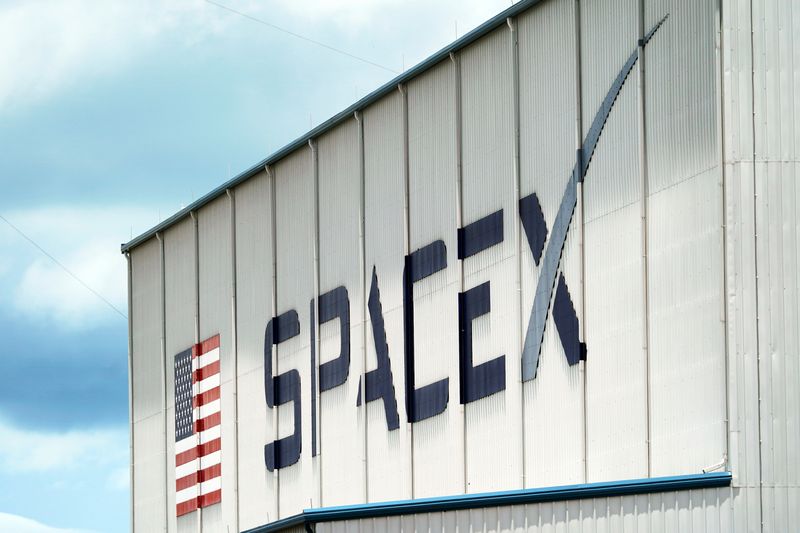
Its first corporate bond issue drew $90 billion in orders, making it a surface-level hit.
SpaceX, which had already electrified Wall Street with the largest initial public offering in history, also scored a success with its debut bond sale, attracting more than 130 trillion won in orders. But unlike equity investors, bond buyers did not simply bet on SpaceX's future growth. Demand was concentrated in the relatively safe short-term notes, while longer-dated bonds carried higher yields than those of rival companies, reflecting a risk premium.On the 23rd local time, SpaceX issued $25 billion in corporate bonds through five senior unsecured notes with maturities of five, seven, 10, 20 and 30 years.
Orders reached between $85 billion and $90 billion, or about 130.6 trillion won to 138.2 trillion won. BofA, Citigroup, JPMorgan Chase & Co., Goldman Sachs and Morgan Stanley served as joint bookrunners.
A cautious bond market focuses on safer short-term paper
Although the deal was a headline success, the bond market's assessment was more restrained. Investor demand was concentrated in the shortest-maturity notes. Meanwhile, the yield on the 10-year bond was set 0.5 percentage point higher than Intel bonds with the same credit rating. That showed investors recognized SpaceX's growth potential, but also priced in concerns over long-term credit risk.The bond sale is intended to repay existing bridge loans and raise funds to expand its artificial intelligence business. SpaceX plans to invest tens of billions of dollars in data centers, computing equipment and power infrastructure in the years ahead.
The challenge is the sheer scale of the investment. S&P Global Ratings said SpaceX is likely to remain in a cash-burning position through 2030. Revenue is expected to rise, but capital spending is projected to outpace it.
[email protected] Kim Kyung-min Reporter