U.S. manufacturing employment worst since the pandemic; Trump’s ‘golden age of manufacturing’ loses luster
- Input
- 2026-06-24 03:33:23
- Updated
- 2026-06-24 03:33:23
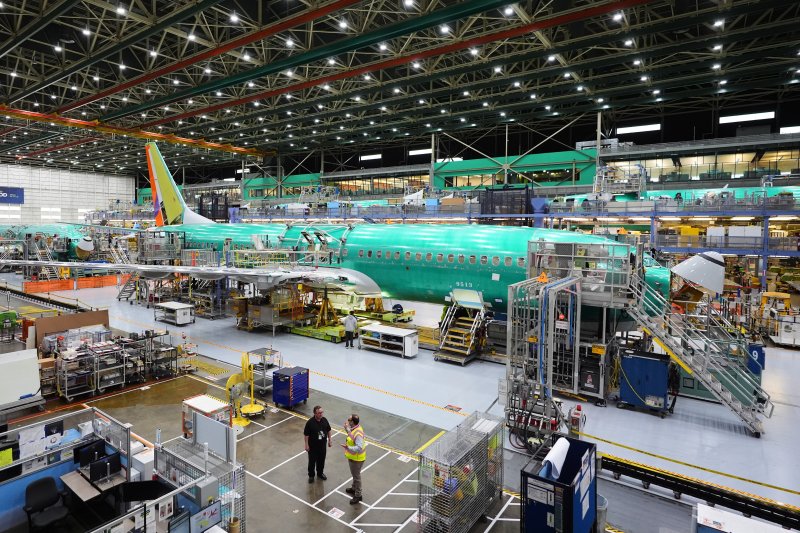
U.S. manufacturing jobs are disappearing at the fastest pace since the COVID-19 pandemic in 2020. Trump’s promise of a “manufacturing revival” has proven empty. In particular, the Iran War that Trump launched on February 28 has been shown to have dealt a major blow to manufacturing.
The Financial Times (FT) reported on the 23rd local time that, based on an analysis of Standard & Poor's Global's Flash Purchasing Managers' Index, manufacturing employment in the U.S. fell in June at the fastest pace since May 2020.
The Flash PMI is a survey of senior executives in the manufacturing sector. The latest survey showed that U.S. manufacturing employment fell by the largest margin since the early days of the pandemic, when factory shutdowns wiped out many jobs.
The employment index in the Flash PMI fell from 51.6 in May to 47 in June. A reading above 50 indicates expansion, while a reading below 50 signals contraction. That means employment has moved into decline.
Chris Williamson, chief business economist at S&P Global Market Intelligence, said the survey reflects the fact that U.S. GDP growth is struggling to stay well above an annualized 1% in the second quarter.
He noted that U.S. manufacturing output is rising overall, but said the increase is partly driven by fears of future supply disruptions and higher prices due to the Iran War.
Williamson said, "Manufacturing job cuts are the most severe since 2009, excluding the pandemic period," adding, "This shows concerns about the sustainability of recent demand growth, as well as worries about rising raw material costs."
He added that some cost pressures eased in June, helped by lower energy prices, and suggested that the pace of job losses could slow.
Trump promised a “golden age” for U.S. manufacturing. Since taking office in January last year, the investment plans he has announced have totaled nearly $1 trillion.
However, aside from sectors riding the boom in Artificial Intelligence data centers and defense, as well as steel, which has benefited from Trump’s aggressive tariffs, most manufacturers are struggling with higher raw material costs and frequent policy changes by the government.
According to U.S. Department of Labor statistics, 77,000 manufacturing jobs have been lost since the launch of the Trump 2nd administration in January last year. Private factory construction spending also fell by about 16% over the same period, dropping to $15.2 billion as of April.
[email protected] Song Kyung-jae Reporter