Taiwan's Pride, TSMC... A Tour of the Innovation Hall Is a Tourist Attraction [Visiting Taiwan, the Land of Semiconductors (Part 2)]
- Input
- 2026-06-23 18:20:27
- Updated
- 2026-06-23 18:20:27
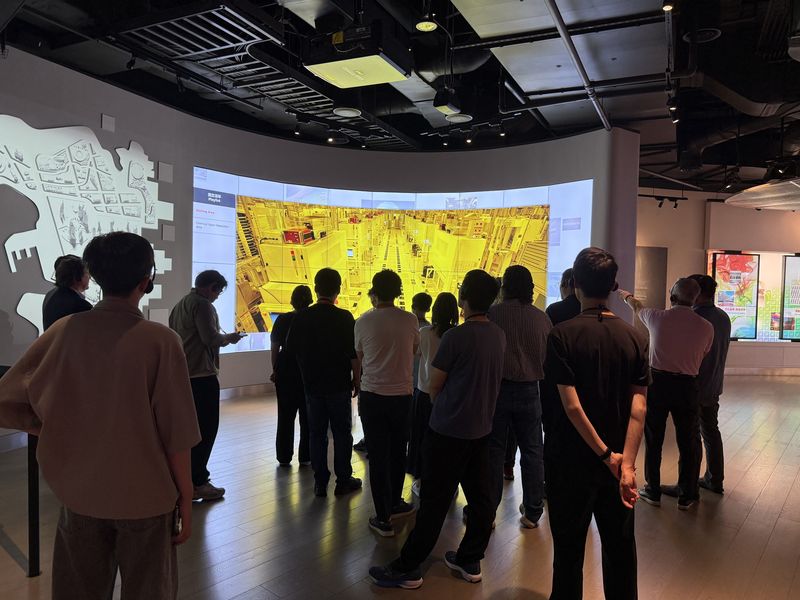
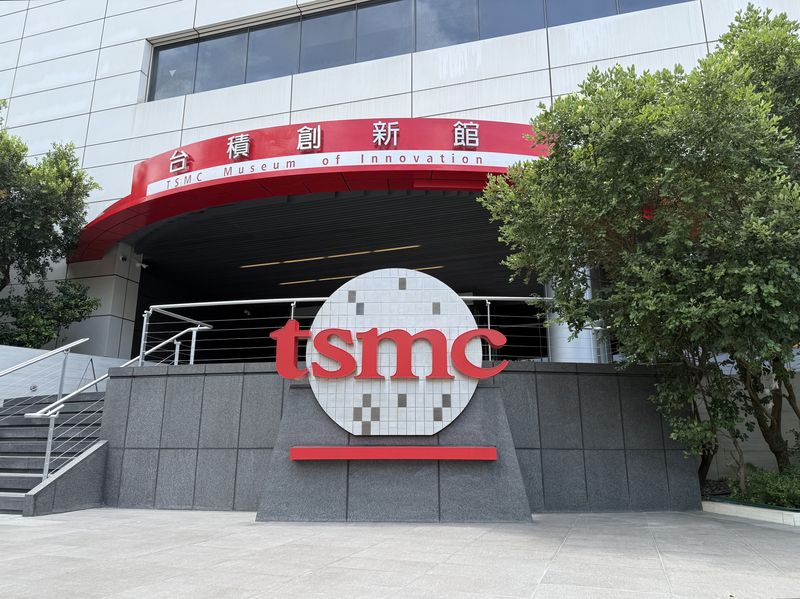
When we visited the hall earlier this month, it was bustling even on a weekday morning with people eager to learn the secret behind TSMC's rise, a rise that has reshaped not only Taiwan's economy but also the global industrial landscape.
TSMC means more than just a company in Taiwan. Beyond being the world's largest foundry, or semiconductor contract manufacturer, it symbolizes the country's competitiveness and security. That is why the Innovation Hall is constantly visited by semiconductor workers, students, and family tourists alike.
A hall official said, "For the past year, reservations have always been fully booked." He added, "About 2,000 people visit each month. Roughly half are foreign tourists, and the rest are semiconductor industry workers and local residents." He explained, "People come from Japan, Korea, and many other countries, and it has now become a must-visit stop for tourists coming to Taiwan."
What filled the entrance to the exhibition hall was not flashy cutting-edge semiconductors, but photos of founder Morris Chang and the quiet story of TSMC's growth. As the tour began, the screen displayed Morris Chang's core philosophy, "TSMC does not compete with its customers," and camera shutters clicked throughout the hall. It was a defining statement of TSMC's identity, as the company upended the semiconductor ecosystem in 1985 by introducing the world's first "pure-play foundry" business model.
Inside a glass display case in one corner of the exhibition hall were the original proposal for the foundry business model that Morris Chang submitted to the Taiwanese government and the company's early business plan. It was the starting point of the idea that gave birth to today's giant.
A technology roadmap covering the walls also drew strong attention. TSMC, which started with a 0.18-micrometer process in 1999, has moved through 7-nanometer, 5-nanometer, and 3-nanometer technologies and is now on the verge of the 2-nanometer era. At the end of the roadmap, the 1.4-nanometer A14 process, targeted for mass production in 2028, was clearly marked.
Visitors to the hall were deeply impressed by the determined path of a single company that grew into the center of the global semiconductor industry.
Daniel, 37, who came to Taiwan from Chile to attend the COMPUTEX Taipei information technology exhibition and visit the Innovation Hall, said, "The process by which Taiwan gained such overwhelming influence in an industry once led by the United States is very impressive." He added, "It was a time that helped me understand how TSMC grew into a key pillar of the global industry."
For local residents, the Innovation Hall was more than a corporate showcase. It was a place to renew their pride in a "national company."
Tony, 39, whose father was one of TSMC's founding members, visited the hall with his wife and son. He said, "I wanted to show my son the great growth story of Taiwan's semiconductor industry firsthand." He emphasized, "TSMC is a very special company for our family, and for Taiwan as a whole."
[email protected] Choi Hye-rim Reporter