Trump Warns Israel Over Lebanon Conflict, Says He Will Resolve It
- Input
- 2026-06-23 13:40:10
- Updated
- 2026-06-23 13:40:10
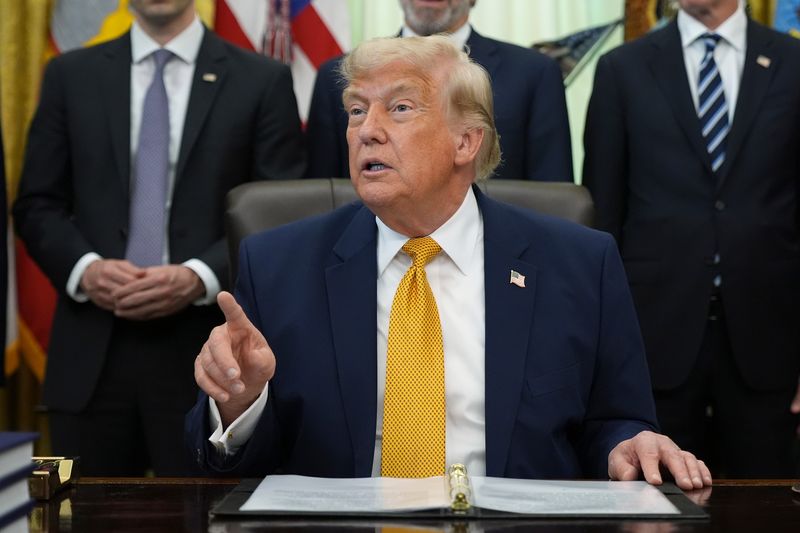
[Financial News] After clearing a major hurdle in negotiations to end the war with Iran, U.S. President Donald Trump said he would also resolve the Lebanon issue, which he had repeatedly raised as a threat during the talks. Israeli and Lebanese officials are expected to meet again in the United States later this month.
Trump says he will "handle Netanyahu"
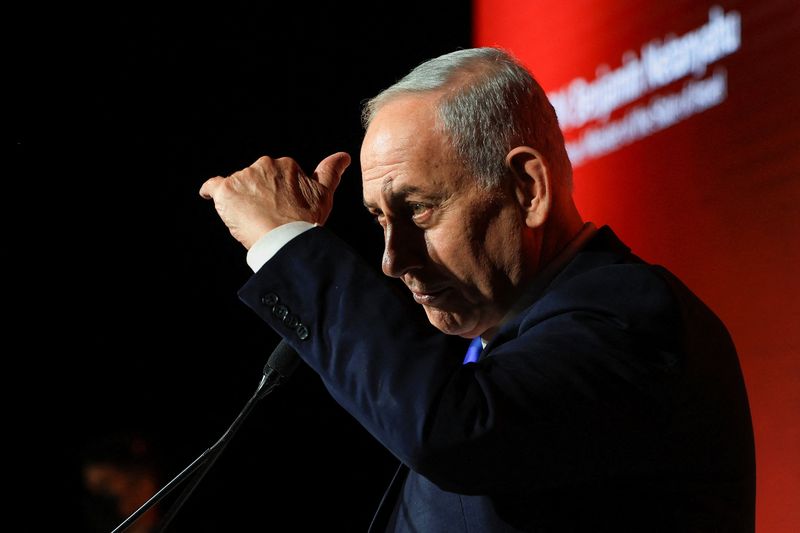
According to Keshet 12, Trump told reporters on the 22nd (local time) that he would "quickly resolve the issue" after Israeli Prime Minister Benjamin Netanyahu refused to withdraw from Lebanon. He said, "I won't say how I'll solve it, but I solve problems. And I solve them quickly," adding, "The Netanyahu issue is no different." Trump, who joined Israel in attacks on Iran starting in February, had faced difficulties in ceasefire talks with Iran as Netanyahu continued fighting Hezbollah, the pro-Iranian armed group in Lebanon. On the 7th, Trump also said Netanyahu would have "no choice" in relation to the U.S.-Iran ceasefire talks. He then stressed, "I make the decisions. I make all the decisions," and added, "He does not have the authority to decide."Earlier, Netanyahu said in a statement on the 22nd that "Israeli forces in southern Lebanon have full operational freedom to eliminate any direct threat to themselves and to residents in the north." He added that the Israeli military would continue operations "with determination to neutralize threats to our soldiers and citizens, destroy terrorist infrastructure, and maintain a security zone in southern Lebanon."
Netanyahu's remarks came shortly after the United States and Israel issued a joint statement on the 22nd following 18 hours of continuous talks in Switzerland. In the statement, the two sides said they had agreed, with the help of mediating countries Pakistan and Qatar, to establish a de-escalation mechanism between the parties, the United States and Iran, and Lebanon to ensure compliance with the end of military operations in Lebanon.
Keshet 12 reported on the 22nd that Israel was not mentioned in the joint statement, leaving Netanyahu deeply shocked. The broadcaster said Netanyahu judged that other Israeli officials, including Yechiel Leiter, Israel's ambassador to the United States, could not handle the matter effectively, and therefore urgently dispatched his close aide Ron Dermer, a former Israeli strategic affairs minister, to consult with Washington.
Israel and Lebanon to meet again in the U.S.
Earlier, the State Department said in a statement on the 19th that talks involving the United States, Israel and Lebanon would be held in Washington, D.C., between the 23rd and 25th of this month. The Times of Israel also confirmed the meeting in a report on the 22nd, saying the Israeli and Lebanese ambassadors to the United States would attend on behalf of their countries. From the U.S. side, State Department adviser Dan Haller and Dan Zimmerman, assistant secretary of defense for international security affairs, are expected to attend. A source who spoke to CNN said the agenda would include both political and military discussions, "in the sense of advancing a comprehensive peace and security agreement."The United States already mediated between Israeli and Lebanese government representatives on April 17 and helped bring about an initial ceasefire between the two sides. However, Hezbollah, which is a party to the fighting in Lebanon, did not appear at the meeting. As Israel continued its operations against Hezbollah in Lebanon, the United States also brought the Israeli and Lebanese ambassadors together in Washington, D.C., on the 2nd to mediate peace talks.
Axios reported on the 22nd, citing an Israeli official, that Netanyahu is more concerned about the Hezbollah issue than about Iran's denuclearization in the U.S.-Iran agreement. The official said Netanyahu, with Israel's general election due in October, is reacting "very nervously" to any proposed solution to the Hezbollah issue. A U.S. official argued, "Israel is not excluded from the de-escalation mechanism around Lebanon because the United States is included as a participant." The official added, "We are working very closely together, so any direct channel between the United States and Iran regarding Lebanon will only benefit Israel."
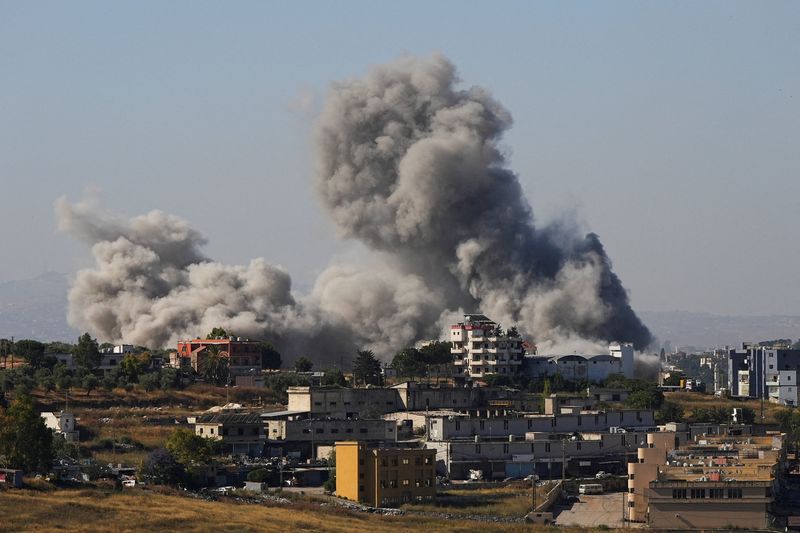
Meanwhile, Agence France-Presse reported on the 22nd, citing the Lebanese government and international organizations, that 11,095 homes in southern Lebanon had been completely destroyed since Hezbollah and Israel began fighting on March 2. The total damage to housing is estimated at $1.38 billion, or about 2.12 trillion won, and at least 4,100 people in Lebanon are reported to have been killed.
[email protected] Park Jong-won Reporter