Samsung Electronics Seizes Early Lead in HBM4 Revenue 'Billion-Dollar Milestone'... Expands NVIDIA Share
- Input
- 2026-06-23 09:33:30
- Updated
- 2026-06-23 09:33:30
2 billion. Supply is expanding at a rapid pace. If the trend continues, revenue could reach $10 billion by year-end.
Samsung Electronics said such a figure would be unprecedented for a memory product in its first year of mass production. The company is currently believed to be rapidly expanding its share of the HBM4 market, led by NVIDIA. Analysts say the surge in Big Tech investment in artificial intelligence infrastructure has also boosted demand for HBM4, which is used in cutting-edge AI accelerators.
The World Semiconductor Trade Statistics (WSTS) forecast that the global semiconductor market will reach $975 billion this year. 6 billion, according to industry estimates. Samsung Electronics expects its HBM revenue to more than triple this year, helped by a broader customer base.
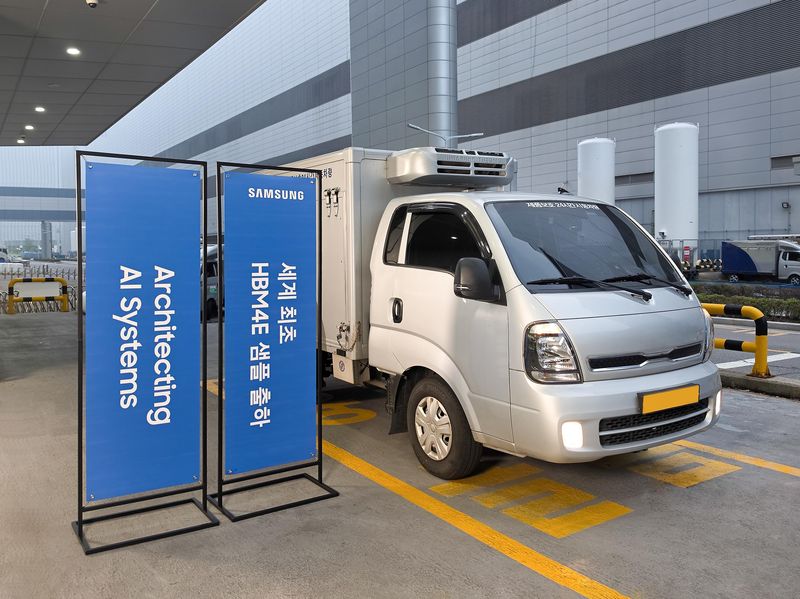
Samsung Electronics' world-first HBM4E 12-layer product. Newsis Samsung Electronics said on the 29th of last month that it would begin supplying samples of its 'HBM4E 12-layer' product, which is expected to become a core component of next-generation AI accelerators, to global customers. The photo shows Samsung Electronics' HBM4E 12-layer product being shipped to a global customer for the first time in the world.
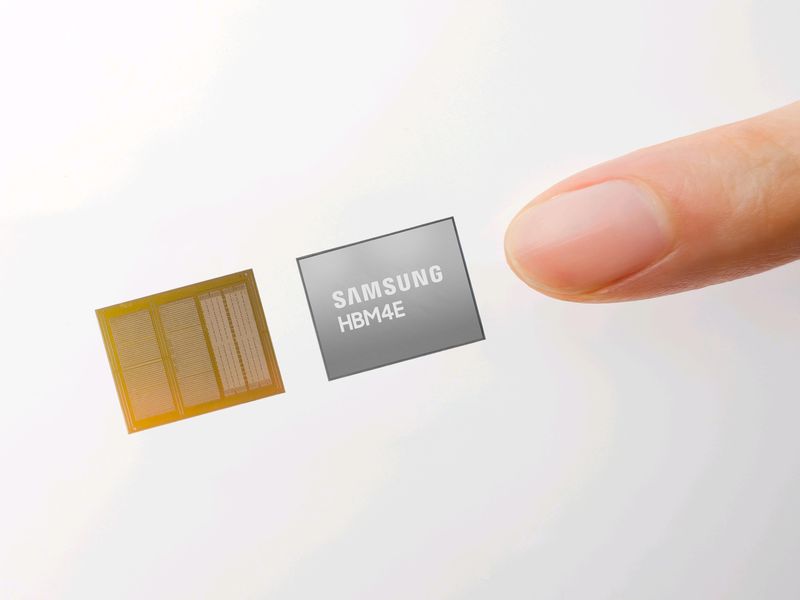
7 times the data transfer capacity of the previous generation, exceeding customer requirements. In addition, power efficiency has improved by about 40% from the previous generation, giving it both performance and lower operating costs. Samsung Electronics plans to build on its technological edge in HBM4E as well.
As the world's only integrated device manufacturer (IDM) with capabilities in logic IC, memory, foundry, and semiconductor packaging, the company can provide a one-stop service from design to packaging. Industry observers say Samsung Electronics' ability to optimize its own foundry process and HBM design together will become a powerful competitive advantage as HBM becomes more advanced. An industry source said, "Because HBM4 and the next-generation HBM4E products are expected to become mainstream through 2030, Samsung Electronics is likely to hold the upper hand in future HBM competition.
"
[email protected] Jo Eun-hyo Reporter