441 Large Ships Wait to Enter Waters Around the Strait of Hormuz, Preparing for Full Reopening
- Input
- 2026-06-23 04:31:29
- Updated
- 2026-06-23 04:31:29
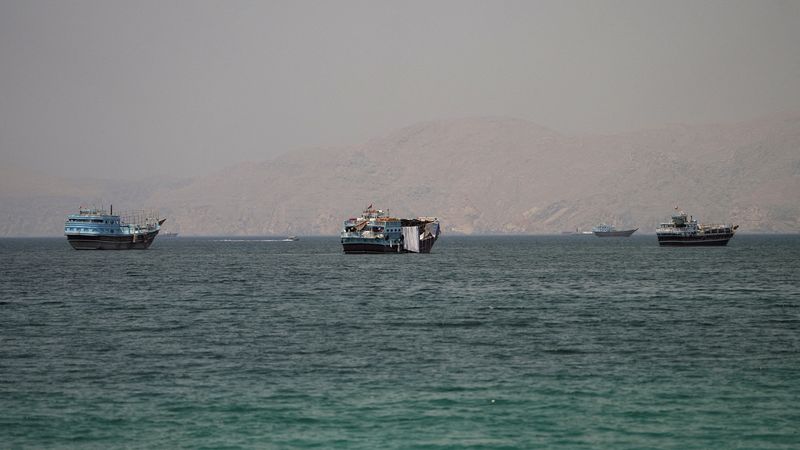
As the United States and Iran hold follow-up talks after the ceasefire, 441 large vessels are reportedly waiting in the Strait of Hormuz to enter once the waterway is fully reopened.
The Strait of Hormuz is a key maritime route that handles 25% of global oil and natural gas shipments.
The Financial Times reported on the 22nd local time that, after analyzing satellite data from the European Space Agency (ESA), it found 441 tanker-sized vessels anchored outside the strait near Sohar, Oman, and the Port of Fujairah in the United Arab Emirates (UAE).
Shipping companies said they are currently concentrating vessels around the Gulf region. They are waiting nearby so they can load oil from Gulf countries first when the Strait of Hormuz fully reopens.
The FT noted that while the 441 waiting vessels represent an unusually large number compared with the past, the figure is still down by 42 from five days earlier. The situation remains unstable.
Although the United States and Iran agreed to reopen the strait and remove mines, Iran declared on the 20th that it would block the Strait of Hormuz again after Israel launched another attack on Hezbollah, the Lebanon-based armed group backed by Iran. ESA satellite data showed no significant vessel traffic in the Strait of Hormuz on the 21st.
Conflicting interpretations by both sides over transit fees are also adding to shipping companies' concerns.
A U.S. government source said that marathon talks between the United States and Iran, which began on the 21st and continued until the morning of the 22nd, discussed ways to "clarify some of Iran's confusing messages" about the Strait of Hormuz and to establish a "conflict-prevention mechanism" to ensure the strait remains fully open.
Iran has indicated that it will not charge transit fees for 60 days, but afterward it plans to collect them in forms such as requiring the purchase of Iranian ship insurance.
Still, the sharp increase in traffic through the strait last week, along with crowded ports in Oman, the UAE and other key hubs where ships are waiting to enter, is being interpreted as a sign that shipping companies are growing more confident that the Strait of Hormuz will remain open.
Earlier in the day, four Qatari liquefied natural gas (LNG) carriers passed through the Strait of Hormuz. That marked the highest vessel traffic since the outbreak of the Iran war on Feb. 28.
[email protected] Song Kyung-jae Reporter