[Interview] What Are the Five Things That Make Taiwan's TSMC Different from Samsung Electronics and Micron? This Is the 'Formula for Success'
- Input
- 2026-06-23 06:03:00
- Updated
- 2026-06-23 06:03:00
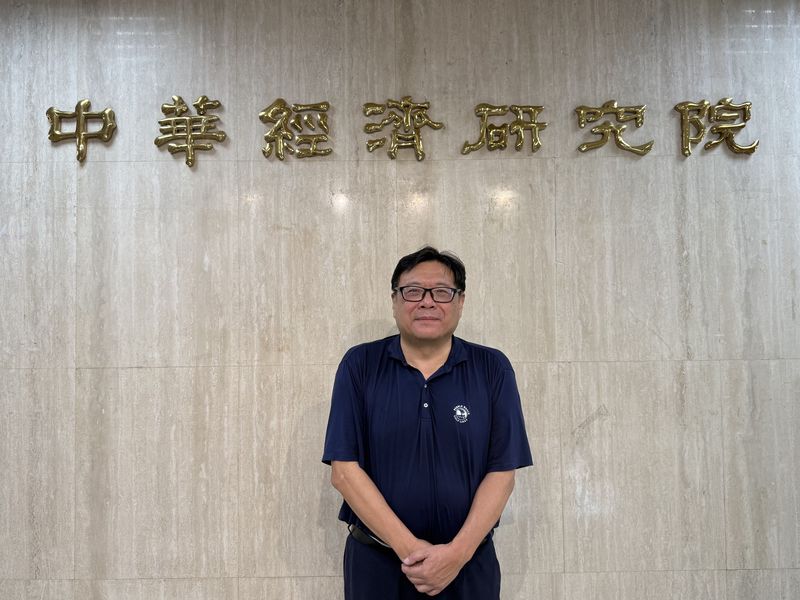
That pride, combined with generous compensation, has made TSMC the top choice for many young Taiwanese despite its intense workload. Liu said that "overtime is frequent by the nature of the industry, and there are many cases where employees have to work day and night," but added that "because workers themselves believe semiconductors are the most promising industry in Taiwan, they tend to willingly endure the harsh working environment."
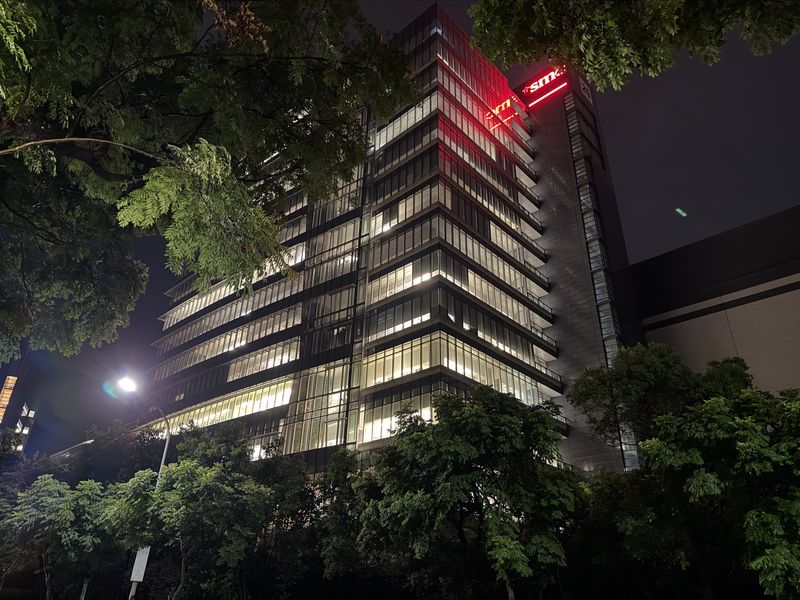
Another defining feature of Taiwan is that extreme labor disputes rarely surface, even under demanding working conditions. Liu said that "labor disputes can never be completely absent, but because employees feel such a strong sense of belonging and satisfaction with the company, conflicts are not expressed outwardly."
Starting salaries for master's-level engineers in Taiwan are
Of course, blind pride alone does not force sacrifice. It is backed by one of the strongest compensation systems in Taiwan. TSMC has a clear minimum standard under which more than 1% of annual profits is used as the pool for employee performance bonuses. For entry-level engineers with master's degrees, annual pay is said to be around NT$2.2 million, with average per-capita bonuses of about NT$2.64 million.Recently, as the size of bonuses at Korean semiconductor companies became known, some dissatisfaction was also reported within TSMC. Even so, it is widely viewed that TSMC has never faced a strike threat serious enough to raise concerns about major production disruptions, unlike in Korea.
Liu assessed that "workers also clearly make sacrifices, including overtime and holiday work," but added that "from a macro perspective, Taiwan's labor-management relations remain in a very harmonious state."
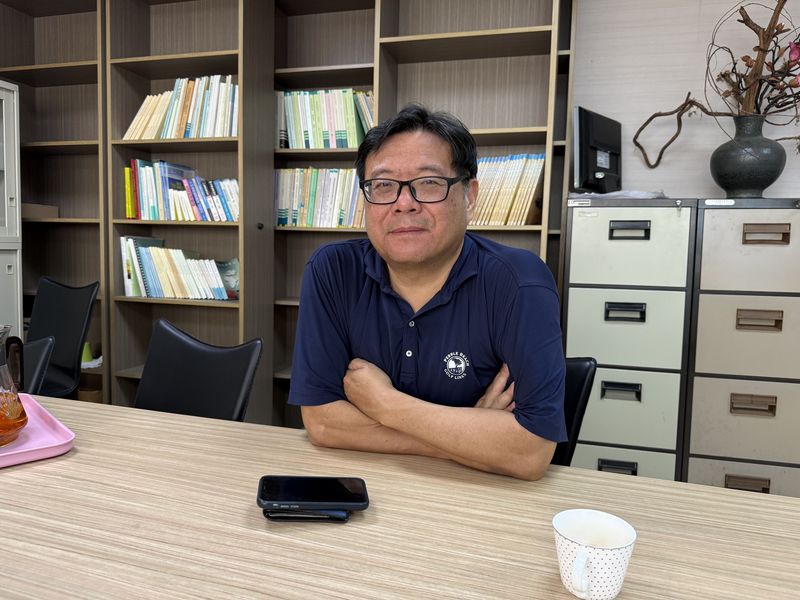
Why are semiconductor companies expanding hiring for geopolitics and law majors?
Liu identified another pillar of Taiwan's semiconductor competitiveness as its close industry-academia cooperation. He said a system in which companies work closely with major universities to identify and cultivate top talent at an early stage has become firmly established.
He said that "Taiwan's population has also been declining since 2020, so the competition for talent will intensify further in the future." He added that "near Hsinchu Science Park, where TSMC and other major semiconductor companies are concentrated, prestigious universities such as National Tsing Hua University and National Yang Ming Chiao Tung University are located, and companies visit campuses every year to actively recruit key talent."
The hiring threshold is also widening across the board. Liu said that "in the past, recruitment focused mainly on science and engineering graduates with semiconductor majors, but recently hiring has surged for humanities majors such as geopolitics, economics, law and accounting," explaining that "as semiconductors have evolved beyond a simple manufacturing industry into a global strategic sector requiring sophisticated strategy, demand for interdisciplinary talent has grown."
Finally, Liu emphasized that "the current semiconductor miracle in Taiwan was created by an organic combination of dedication to hard work, pride in the industry, admiration from young people and a solid talent-development infrastructure." He added that "this virtuous cycle, like interlocking gears, is Taiwan's true competitive edge, one that other countries would find difficult to imitate in a short period of time."
[email protected] Choi Hye-rim Jung Won-il Reporter