"A 5-Minute Walk Away": A Semiconductor One-Team So Close You Could Trip Over It, Not Samsung or SK hynix but 'TSMC's Taiwan' [Report]
- Input
- 2026-06-23 06:00:00
- Updated
- 2026-06-23 06:00:00
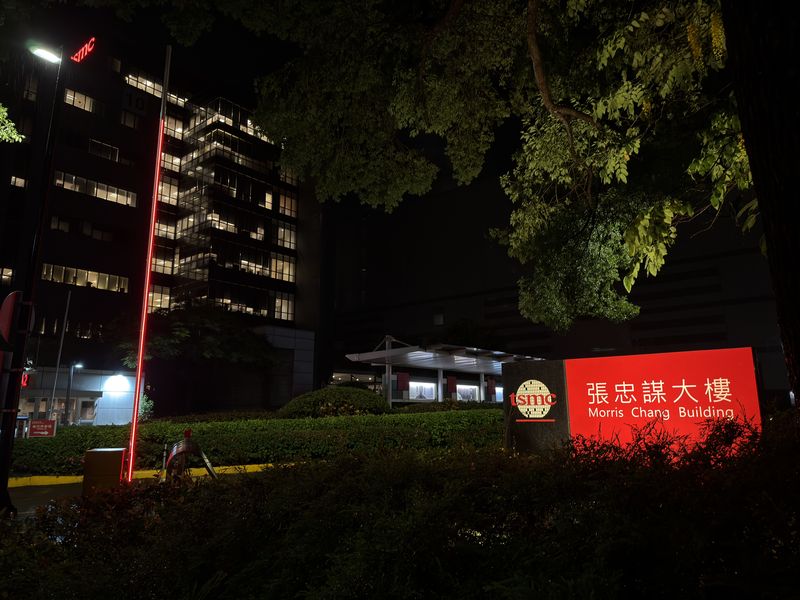
This is the beating heart of Taiwan's semiconductor industry, running nonstop 24 hours a day. With labor rules that are more flexible than South Korea's, where the 52-hour workweek and 12 hours of overtime are tightly constrained, it has been able to multiply productivity. The nightscape in the rain quietly proved that point.A 'hyperconnected semiconductor ecosystem' built within a 1-kilometer radiusshowed the competitiveness of Taiwan's semiconductor industry as it is. In South Korea, Samsung Electronics and SK hynix are now racing to build the Yongin semiconductor mega cluster. Strengthening the semiconductor belt in the capital region is being pitched as a new iron curtain line on the Korean Peninsula, a 'Korean silicon shield' and a project that could take South Korea's semiconductor competitiveness to a new level. To make that massive project succeed, experts say South Korea needs a close analysis of the Hsinchu Science Park model in Taiwan, one of its semiconductor rivals.
As night fell, the 'city of lights' grew even brighter... the semiconductor heart that runs 24 hours a day
Even as darkness fell and a downpour made it impossible to see more than a step ahead, Hsinchu Science Park, the world's largest semiconductor cluster, glowed even more brightly than it had during the day. Lights were on in windows across the buildings, and delivery motorcycles carrying dinner kept streaming into the lobby. It was the energy of engineers on the night shift and workers on rotating schedules. Even in the heavy rain, the factories never stopped, and logistics vehicles moved in and out without pause.
This kind of 'city of lights' is the result of Taiwan's flexible labor policy.Unlike South Korea, which strictly limits overtime to 12 hours per week, Taiwan manages it flexibly on a monthly basis, up to 54 hours.Given the nature of the foundry business, where orders from fabless chip designers can surge and work inevitably concentrates in certain periods or on certain lines,it creates a structure that can deploy key personnel far more efficiently and flexibly than in South Korea..
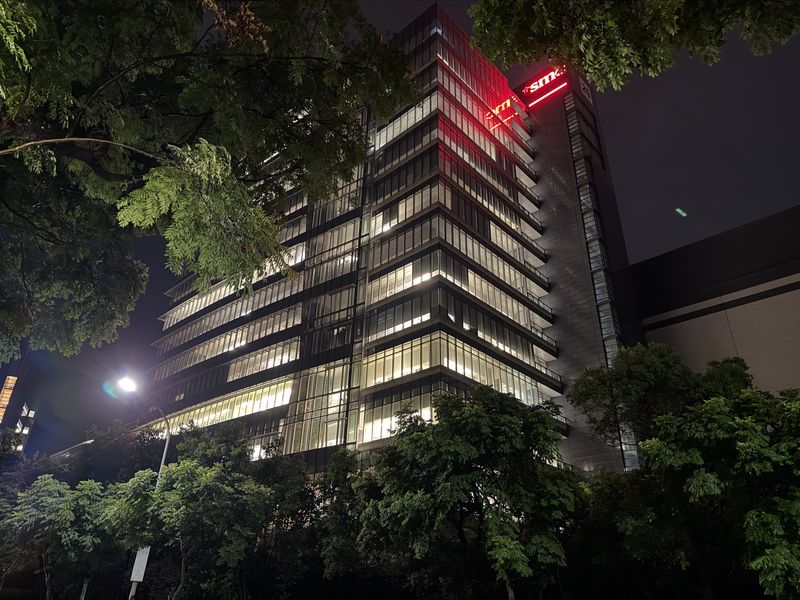
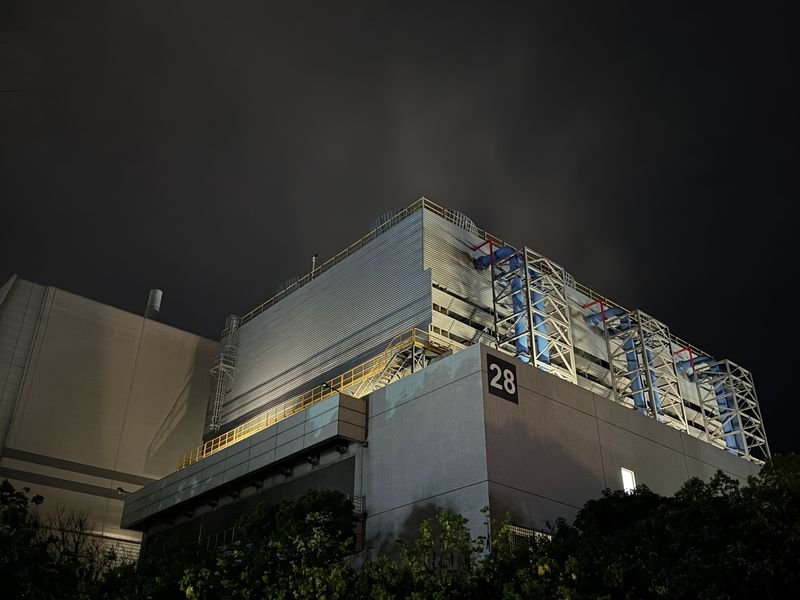
After walking several kilometers through the heavy rain near the Morris Chang Building, TSMC's key production facilities seemed to stretch on endlessly. White steam rose from fab buildings lined up like sentries, and the roar of massive air-handling systems echoed through the park. It was almost 9 p.m., but both the F12 fab complex, TSMC's main 12-inch wafer production base, and the F20 fab complex, a key site for next-generation 2-nanometer processes, were lit up as brightly as in broad daylight. Shuttle buses packed with employees wearing work caps were also seen gliding toward the F20 fab building.
Design houses, research institutes and residential districts within walking distance... a 'giant organism' built for semiconductors
What makes Hsinchu truly formidable is not just its advanced technology or abundant labor. The key isthat the entire city functions as a giant organism breathing for semiconductors 24 hours a day.
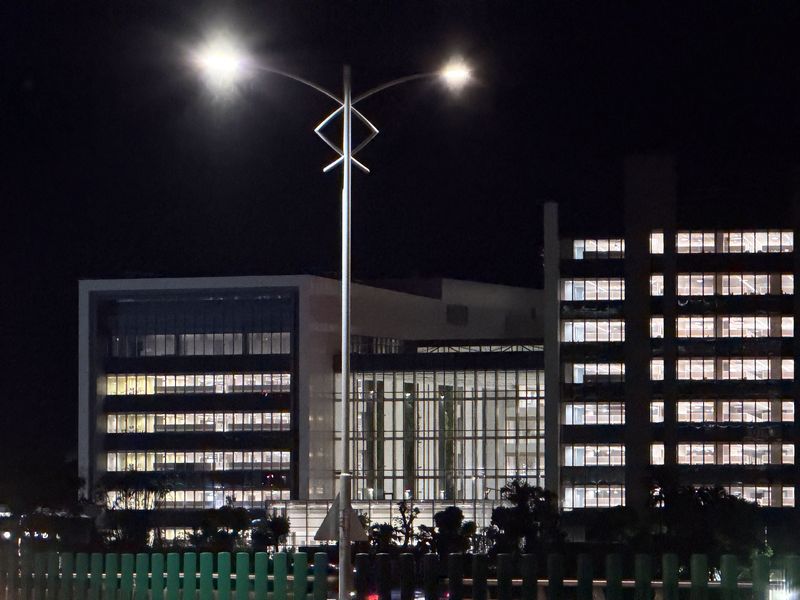
In fact, directly across the street from the Morris Chang Building stands the headquarters of Global Unichip Corporation (GUC), Taiwan's leading design house. GUC, in which TSMC is the largest shareholder, serves as a key bridge that optimizes customers' chip designs and connects them to TSMC's mass-production lines. A taxi ride of just five minutes, or about 1 kilometer, from there brought us to the headquarters of MediaTek, Taiwan's largest fabless company.The world's top foundry, fabless firms and design houses are all intertwined in the same neighborhood, where people can move around by foot or bicycle rather than by plane.
Top-tier research institutions such as National Tsing Hua University and National Yang Ming Chiao Tung University continuously supply key talent, while residential districts that support engineers' daily lives are also seamlessly integrated. In other words, the semiconductor ecosystem itself is the engine that drives the entire urban economy.
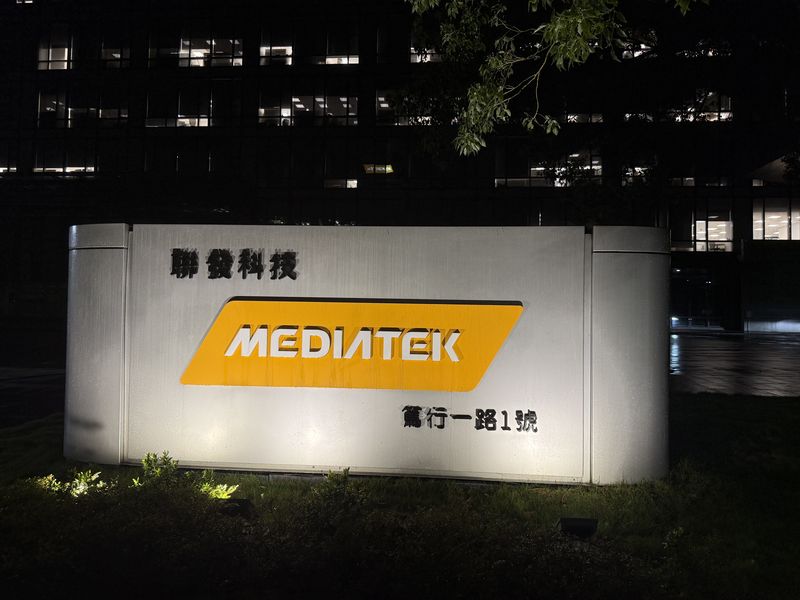
Experts say thatSouth Korea's Yongin Mega Cluster must learn from Hsinchu's speed and integrated control tower.
Liu Pei-chen, head of the industrial economic database at the Taiwan Institute of Economic Research (TIER), explained, "Hsinchu Science Park has a central ministry acting directly as an integrated control tower, quickly coordinating difficult issues such as land, power, water and environmental assessments, while local governments also see attracting TSMC as their biggest political achievement and take the lead in removing regulations." He added, "By contrast,the reality is that South Korea's complex process of balancing interests among companies, local governments, the National Assembly and regulators makes it impossible to keep up with Taiwan's unique 'national semiconductor team' system, and that is a blunt assessment people are making."
[email protected] Jung Won-il Choi Hye-rim Reporter