The yen falls to the upper 161 range against the dollar; Japan's finance minister says he will respond if necessary
- Input
- 2026-06-22 14:50:02
- Updated
- 2026-06-22 14:50:02
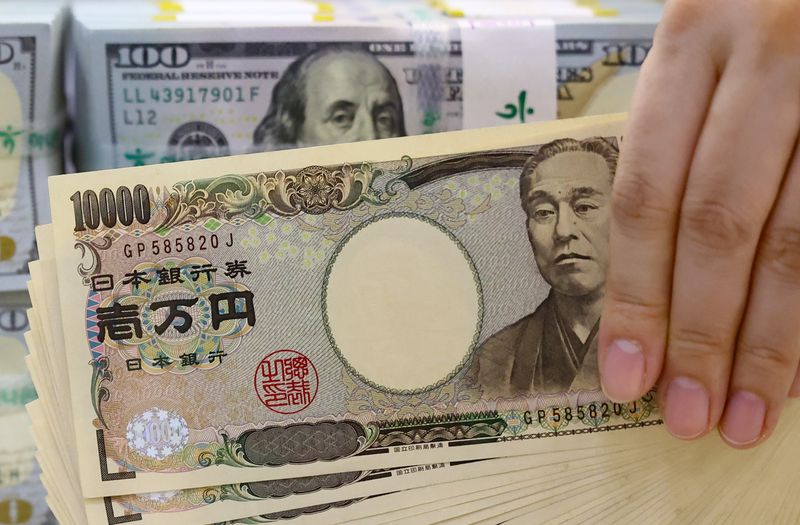
[Financial News, Tokyo = Reporter Seo Hye-jin] The yen fell to the upper 161 range against the US dollar on the 22nd. Expectations that the U.S.-Japan interest rate differential will widen, driven by rising long-term U.S. yields, added to pressure on the Japanese yen. Concerns over higher international oil prices amid instability in the Middle East also weighed on the currency.
In the Tokyo foreign exchange market on the 22nd, the USD/JPY exchange rate stood at 161.67-161.68 yen per dollar as of 2 p.m. That was 0.36 yen higher than the previous trading day, meaning the yen had weakened. At one point during the session, it rose to 161.69 yen per dollar, below the low seen on the 19th.
The yen's weakness was led by higher U.S. interest rates. In afternoon trading in Japan, the rise in the U.S. 10-year Treasury yield prompted yen-selling and dollar-buying trades aimed at the widening U.S.-Japan interest rate differential.
As the yen's decline accelerated, market participants also grew more alert to the possibility of verbal intervention by the authorities.
At a press conference after the Cabinet meeting that day, Minister of Finance Satsuki Katayama said, "I will refrain from making specific comments," but added, "We will respond appropriately at any time as needed."
Market participants expect U.S. monetary policy and Middle East developments to drive exchange-rate movements for the time being.
After the Fed recently signaled the possibility of additional rate hikes at the FOMC, U.S. Treasury yields have remained under upward pressure. As a result, demand for dollar assets has strengthened, keeping pressure on the yen through selling.
A stronger Japan stock market also added to the yen's weakness. The Nikkei 225 index traded around the 72,500 level after jumping by about 1,300 points intraday, as investor sentiment improved on news that the United States and Iran had agreed on a Roadmap for a final deal within 60 days.
Buying of stock index futures, led by overseas speculative funds, boosted risk appetite. That in turn increased selling of the low-yielding yen and buying of relatively higher-yielding assets such as the US dollar. However, profit-taking after the sharp short-term rally trimmed some of the gains.
The Middle East remains another variable. As prospects for talks between the United States and Iran remain uncertain and concerns over disruptions to crude supply resurface, international oil prices are strengthening. Because Japan relies heavily on energy imports, higher oil prices could worsen the trade balance, making them a factor that weakens the yen.
A foreign exchange market source told Nihon Keizai Shimbun, "The market is currently pricing in both rising U.S. yields and Middle East risks," and added, "The USD/JPY exchange rate is likely to remain highly volatile in the upper 160 range for the time being."
[email protected] Seo Hye-jin Reporter