[Editorial] Market prices should fall quickly, too, if the plunge in global oil prices is to make sense
- Input
- 2026-06-21 19:07:39
- Updated
- 2026-06-21 19:07:39
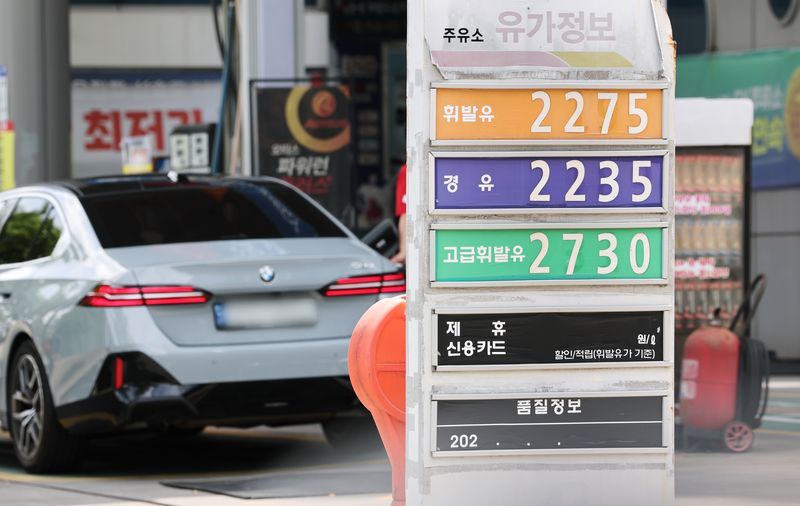
When oil prices return to normal, people naturally expect the prices of goods and services in the market to do the same. Yet public perception and actual market prices are far apart. In reality, gasoline prices at gas stations have shown little change around the 2,000-won mark even as global oil prices fell by more than 30%.
Of course, it is understandable that changes in global oil prices are not reflected immediately at the pump. It takes several weeks for lower crude prices to be fully passed through to retail gasoline prices. On top of that, recent exchange-rate fluctuations and the government's cap-price system are likely slowing the adjustment even further.
The problem is that public frustration is growing because the lag in price adjustments does not work symmetrically when oil prices rise and when they fall. When oil prices surge, consumer prices are passed through quickly. But when oil prices drop sharply, it is hard to shake the impression that various excuses are used to delay price cuts.
This kind of price asymmetry is not limited to fuel. In the construction industry, when oil and raw material prices rise, those costs are immediately reflected in project expenses. Yet even when oil prices stabilize, construction costs that have already gone up rarely come back down. Some even say that because the pass-through lag is so slow, construction costs this year could rise further.
It is, of course, necessary to understand that pricing structures are not simple. Prices are determined by a mix of factors, including refiners' inventory costs, exchange rates, the tax system, and distribution margins. For that reason, it would be too simplistic to isolate global oil prices and complain only that domestic prices are slow to reflect them.
However, precisely because such a specialized pricing structure exists, it is even more important to explain it clearly to the public. Just as prices are set quickly when they rise, the government and industry have a responsibility to explain price changes more clearly and transparently when conditions call for a decline. Hiding behind the excuse that the structure is too complex is a betrayal of the public.
Moreover, the government must strengthen its oversight of how these price changes are reflected in the market. When market prices rise, the government tightly controls every sector and market. But when prices should be coming down, oversight tends to be relatively lax.
Managing market prices in line with falling global oil prices is important not only for consumer rights but also because of the broader inflation problem. As oil prices soared amid the war between the United States and Iran, high inflation has hit not only South Korea but the entire world. Market prices have risen across daily life and industry, including fuel costs and construction expenses. This upward pressure on prices is deepening hardship for ordinary people, while the country's domestic demand economy is also suffering a slowdown.
The government and relevant authorities should thoroughly review pricing structures to ensure that declines in global oil prices are reflected quickly and transparently in domestic prices. They must take seriously the fact that a pricing practice that moves quickly only when prices rise, but slowly when they fall, erodes consumer trust.