"Americans Have Been Saddled With 203 Trillion Won in War Costs... Arms, Oil and Food Price Shock Backfires"
- Input
- 2026-06-20 09:07:34
- Updated
- 2026-06-20 09:07:34
According to The New York Times on the 19th local time, the United States Department of Defense told a House hearing on May 12 that its estimate of military costs from the Iran war stood at about $29 billion, or 44.4 trillion won, at the time. That figure does not include the cost of repairing U.S. military bases damaged by Iranian attacks.
The New York Times also noted that the costs of repairs and maintenance, as well as the expense of deploying an aircraft carrier strike group at sea, should be included.
Among the expensive U.S. assets destroyed by Iranian attacks were the military radar reconnaissance aircraft E-3 Sentry, which was stationed at a base in Saudi Arabia, and facilities at the U.S. Embassy in Riyadh. The E-3 Sentry costs between $300 million and $500 million per aircraft.
Consumers have also been hit with a fuel-price shock. According to Brown University's tracking data on energy costs from the Iran war, the additional amount Americans have paid for gasoline and diesel since the outbreak of the war due to price increases has reached about $60 billion, or 92 trillion won.
That works out to an extra burden of about $460 per household, or 704,000 won.
Airfares, logistics costs, transportation fees and food prices have also surged.
The blockade of the Strait of Hormuz has also pushed up raw material prices, including sulfur, a key ingredient in some fertilizers, and wider effects are expected, such as slower economic growth and rising hunger in many countries.
The biggest issue is the loss of life.
According to announcements by the Iranian and Israeli governments, 3,500 Iranians and 26 Israelis have been killed. The U.S. death toll was reported at 13.
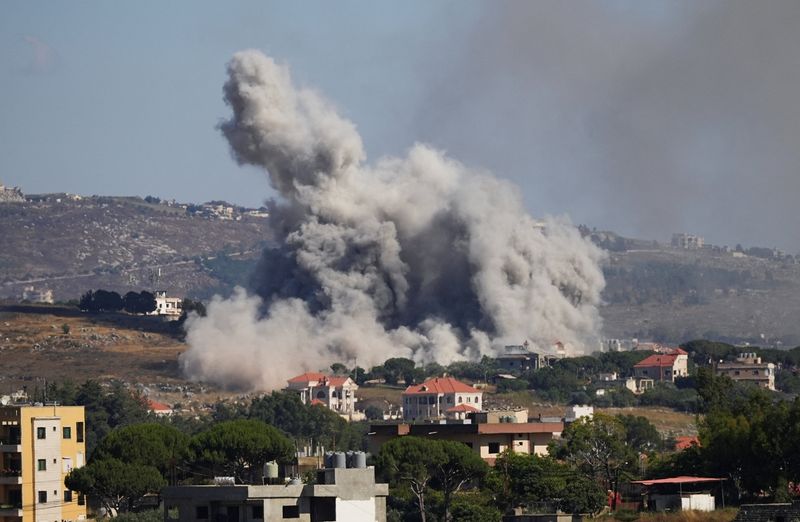
In Lebanon, where the war spread, 3,700 people were also killed.
Deaths were also reported in other Middle Eastern countries.
In countries around the Persian Gulf, civilians including workers from South Asia were killed. This was mainly due to Iranian attacks.
Near Oman, the U.S. attacked a commercial vessel, killing three Indian civilian sailors. The incident heightened tensions between the United States and India.
The incident said to have caused the greatest civilian casualties occurred on February 28, the first day of the war. A U.S. missile strike brought down a school in Iran, killing at least 175 people.
[email protected] Kim Hyun-cheol Reporter