Lovebugs Appear Again This Year, With Sightings Reported Across the Seoul Metropolitan Area
- Input
- 2026-06-20 06:40:00
- Updated
- 2026-06-20 06:40:00
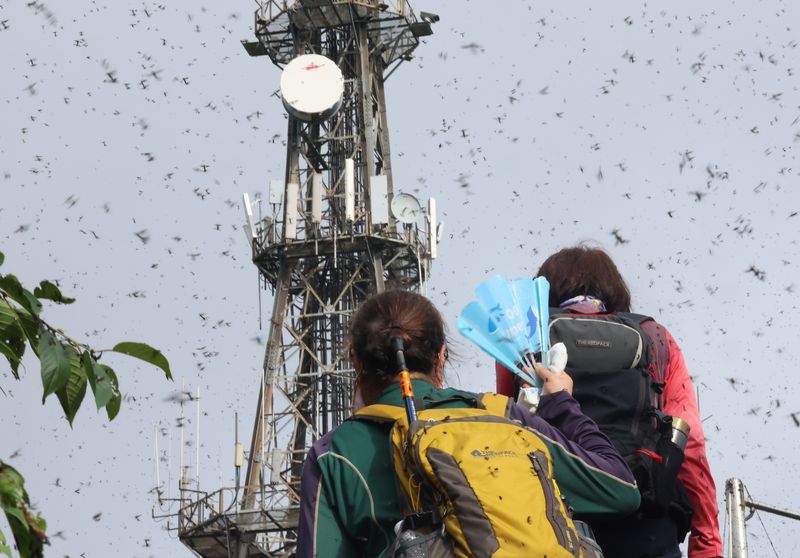
[Financial News] Lovebugs, which cause inconvenience to residents every early summer, have begun appearing again this year, mainly across the Seoul metropolitan area.
Recent posts on social media and online communities have reported sightings of lovebugs in various parts of the metropolitan area.
The insect, officially known as the red-backed lovebug, is nicknamed a lovebug because the male and female fly together while joined at the tail. It is mainly found in subtropical regions such as southern China, Okinawa Prefecture, Japan, and Taiwan. In South Korea, large outbreaks were first reported in 2022 in northwestern Seoul and parts of Incheon, and they have since been observed repeatedly every summer.
With its black body and prominent red thorax, the insect is often mistaken for a pest. However, lovebugs are not known to bite humans and are also believed to be nonvenomous. There have been no reports that they transmit disease, so they are not considered insects that pose direct health risks like mosquitoes or ticks.
In the ecosystem, some view lovebugs as beneficial insects. Their larvae break down fallen leaves and organic matter, enriching the soil, while adults help with pollination. The problem comes when their numbers surge all at once. When they cling to vehicles or building exteriors, or gather in parks and hiking trails, they can cause discomfort and inconvenience to residents.
Warm and humid conditions are considered ideal for lovebug reproduction. Experts say rising average temperatures and shorter winters are increasing the survival chances of subtropical insects, and climate change may be one of the factors behind their spread.
Seeing more lovebugs does not necessarily mean insecticide should be the first response. Adult lovebugs usually live for only about a week, and in many cases, large outbreaks naturally subside after two to three weeks.
To reduce the number that enter living spaces, managing lights at night is important. Lovebugs are strongly attracted to light, so porch lights or indoor lighting that leaks outside can draw them in. Before opening windows, it is best to check whether any insect screens are torn or have gaps.
After driving, it is also worth checking whether dead lovebugs are stuck to the vehicle's surface. If left for too long, they can affect the paint, so it is best to soak them thoroughly with water first and then wipe them off with a soft cloth.
Clothing color can also make a difference during outdoor activities. Lovebugs tend to gather more around dark colors, so wearing light-colored clothing is better than black or other dark outfits. Wearing a hat and sunglasses can also help reduce the annoyance of insects flying near the face.
[email protected] Han Seung-gon Reporter