Does Overt Advertising Backfire? The Success Formula for 'Celebrity Marketing' [Trend Recipe]
- Input
- 2026-06-20 09:00:00
- Updated
- 2026-06-20 09:00:00
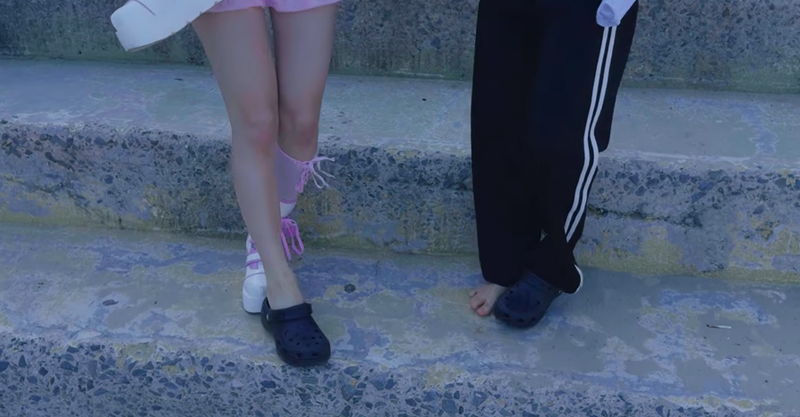
[Financial News] Celebrity marketing in the fashion industry is changing. Moving away from model-led ad campaigns, naturally captured product placements of celebrities on Social Networking Service (SNS) platforms and YouTube are emerging as a new marketing channel.
From NCT's Taeyong to IVE's Gaeul: A string of product sightings
According to the industry on the 20th, various celebrities have recently been spotted wearing Crocs on SNS and YouTube, drawing attention. Taeyong of NCT was seen wearing Crocs in posts and Reels on his Instagram account, while Gaeul of IVE was shown wearing the shoes through the group's official Instagram and media reports.
ATEEZ's Hongjoong and P.O also drew attention after being spotted wearing Crocs on their respective Instagram accounts. Won-i and Mei of Rescene, who run a YouTube channel, have also frequently appeared wearing Crocs in channel videos and on their official Instagram accounts.
As celebrities from different fields and generations have appeared in quick succession around the same time, an online perception has naturally formed that these are "shoes everyone is wearing."
The power of 'everyday exposure' stronger than ads
Traditional celebrity marketing centered on brands selecting models and promoting products through photo shoots or video campaigns. But this approach had a limitation: because it is clearly seen as "advertising," it is difficult to win consumer trust.
By contrast, unofficial exposure that happens to be captured on SNS or YouTube creates the impression that it is "not an ad," which instead stimulates purchase desire. The industry describes this as the "third-party endorsement effect." In other words, a scene that appears to show a celebrity consumers admire choosing a product on their own is a far more effective persuasive tool than direct brand promotion.
Seeding and monitoring create 'accidental exposure'

Some analysts say this kind of exposure is not entirely accidental. Brands constantly monitor celebrities active on TV, in films, and on YouTube, and share any confirmed appearances of their products with headquarters. When new products or collaboration lines are released, they maintain the relationship by offering or sending products to celebrities whose image fits the brand. Seeding is carried out as a pure gift, without a guarantee contract that obligates exposure. When a celebrity's personal interest or affection for a brand leads to seeding, the spread tends to become even more explosive. The more a product appears to have been worn voluntarily rather than out of obligation, the more consumer trust and buzz rise together.
Once exposure is confirmed, the content-distribution process begins. According to the industry, viral marketing agencies identify sponsorship and Product Placement (PPL) schedules, plan content featuring styling details, and upload it simultaneously to official channels and blogs at the time of exposure before spreading it further through online communities and SNS. The key is to draw fans searching for a "celebrity item" into that content.
In the end, a single "accidentally captured scene" is quickly turned viral through monitoring and content planning, then spreads again across the internet in a self-reinforcing cycle.
A trend spreading across the fashion industry
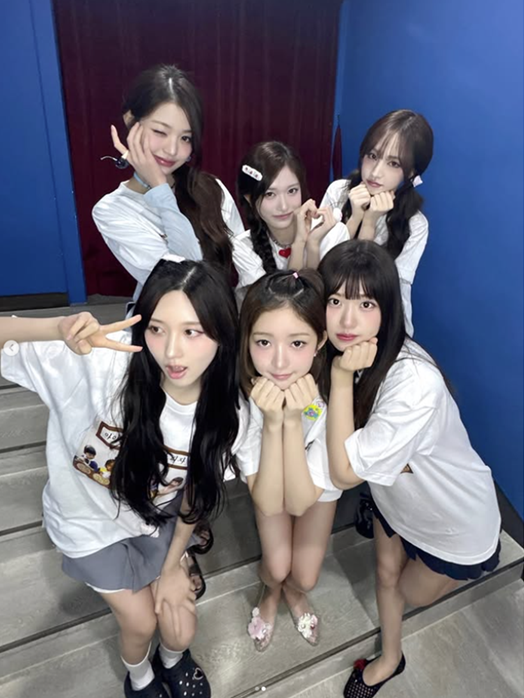
This marketing approach is not limited to Crocs and is spreading across the fashion and accessories industries. It is considered especially effective for lower-priced items that are frequently seen in everyday life, such as shoes, bags, and accessories. Because it carries less cost than formal advertising while still aiming for both buzz and sales, it has become a preferred strategy for brands.
An industry source said, "We are now in an era where a single casual moment of a celebrity wearing something in daily life generates far more buzz and sales than appearing directly in an advertisement," adding, "Brands are recognizing this trend and are building marketing strategies that systematically manage the entire process, from seeding and monitoring to viral spread."
[email protected] Lee Jeong-hwa Reporter