Iran's supreme leader approves ceasefire with the U.S. but rejects "unreasonable demands"
- Input
- 2026-06-19 06:16:52
- Updated
- 2026-06-19 06:16:52
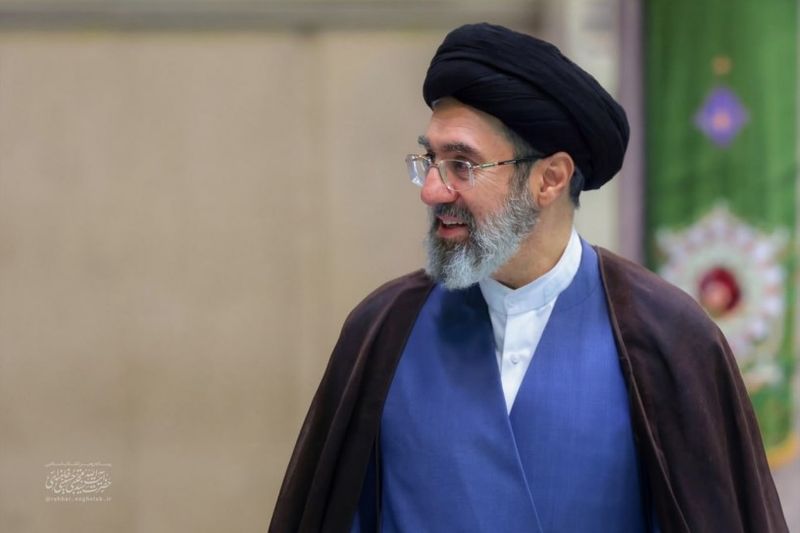
[Financial News] As the United States and Iran agreed to sign a ceasefire memorandum of understanding, Iran's supreme leader, Mojtaba Khamenei, conditionally approved the talks while expressing deep distrust of the United States. Although he agreed to the ceasefire, he made clear that Iran would not accept U.S. demands in follow-up negotiations over nuclear issues and sanctions relief.
In a written message to the public released through state media on the 18th (local time), Mojtaba said, "I had different views on this agreement in principle," but added, "I approved it on the condition that the president, as chairman of the Supreme National Security Council (SNSC), showed strong determination and accepted responsibility."
He explained, "The president promised to defend the rights of the Iranian people and the resistance front on behalf of himself and the members of the council, and I approved it because he explicitly accepted responsibility for that."
He did not hide his caution toward the United States. Mojtaba said, "To reach this stage, the U.S. president used various leverage points out of desperation," and stressed, "The fact that the two sides will hold direct talks does not mean we will accept the enemy's position."
He added, "The president also made it clear that if the United States raises unreasonable demands, we will never accept them," and said, "The public and the authorities will closely monitor whether the terms of the agreement are properly implemented."
The remarks came shortly after the United States and Iran abruptly agreed to sign the ceasefire memorandum. They are being seen as an effort to calm hard-liners at home while strengthening Iran's bargaining position in upcoming detailed negotiations.
In particular, Mojtaba's public statement that he "opposed it in principle" suggests that differences of opinion over the talks existed even within Iran's leadership. At the same time, analysts say he was reaffirming that he holds the final approval authority and intends to retain control over the next round of negotiations.
Experts say the ceasefire agreement settled only the broad framework of ending the war, and that substantive negotiations on the scope of nuclear restrictions, the international verification process, and the level of sanctions relief for Iran are only now beginning. They also interpret Mojtaba's message as both a warning to the United States and a political signal aimed at domestic hard-line factions.
[email protected] Kim Kyung-min Reporter