Where the South Sea and the West Sea Meet... Walking Through Jeollanam-do Along the Korea Dulle Trail [Weekend Leisure]
- Input
- 2026-06-19 04:30:00
- Updated
- 2026-06-19 04:30:00
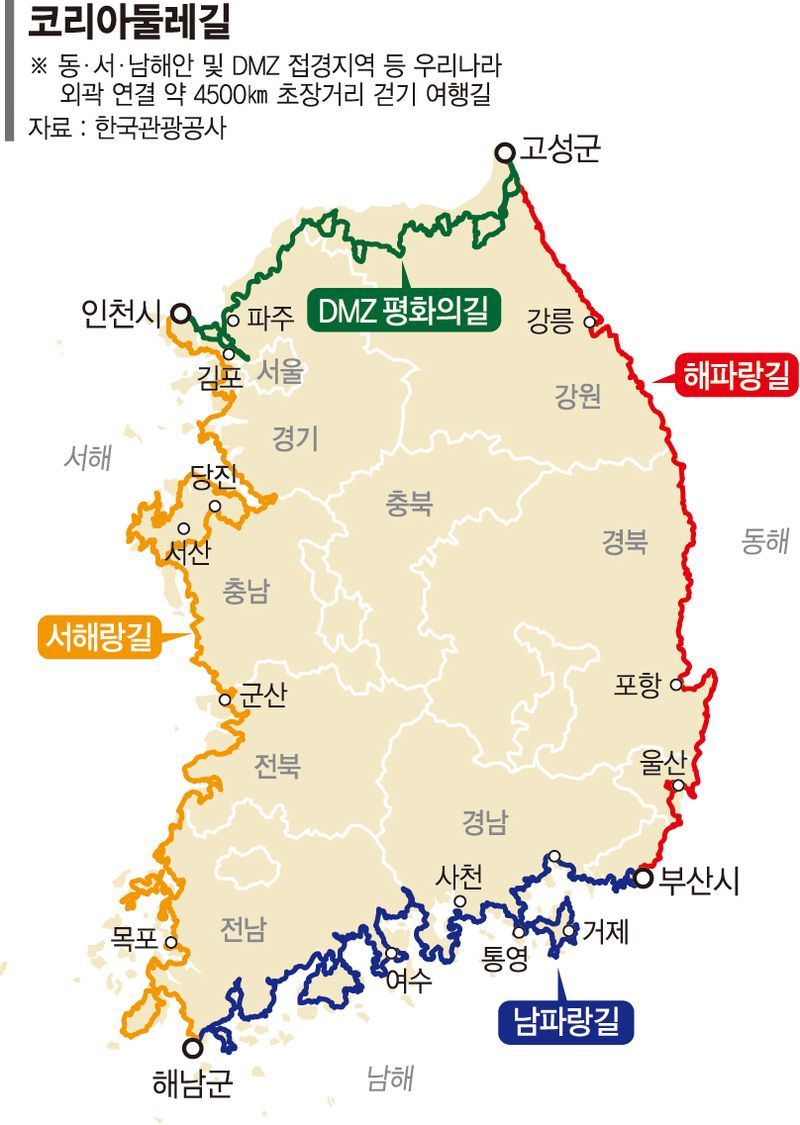
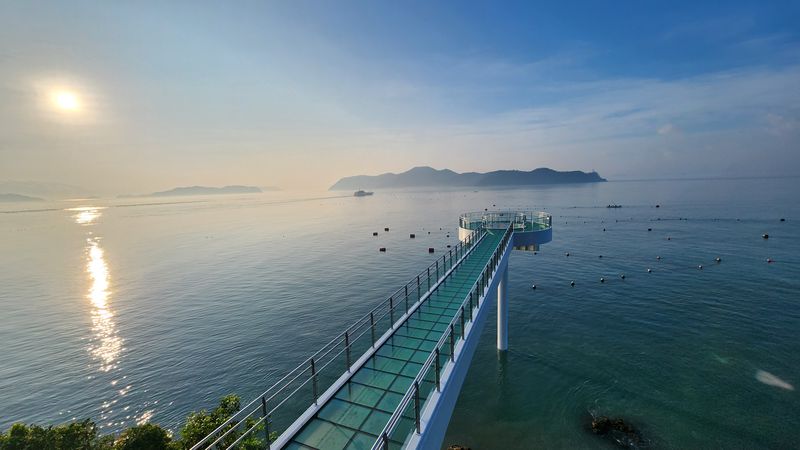
■ Ttangkkeut: Where the Namparang Trail and Seohaerang-gil Meet
Ttangkkeut Village is more than just a tourist destination. For those walking the Korea Dulle Trail, it holds special meaning as the endpoint of the Namparang Trail and the starting point of Seohaerang-gil.
The Namparang Trail begins at Oryukdo in Busan and stretches 1,470 kilometers along the southern coast. Seohaerang-gil, by contrast, starts here and heads north for 1,800 kilometers to Ganghwa, Incheon. Ttangkkeut is where the end of one trail meets the beginning of another.
Below Sajabong, the path to Ttangkkeut Tower follows a well-maintained barrier-free deck trail. Along the way, the scenery of the South Sea opens up beautifully before your eyes. From the transparent-floored skywalk, blue waves roll beneath your feet, while islands of all sizes are scattered beyond the coastline.
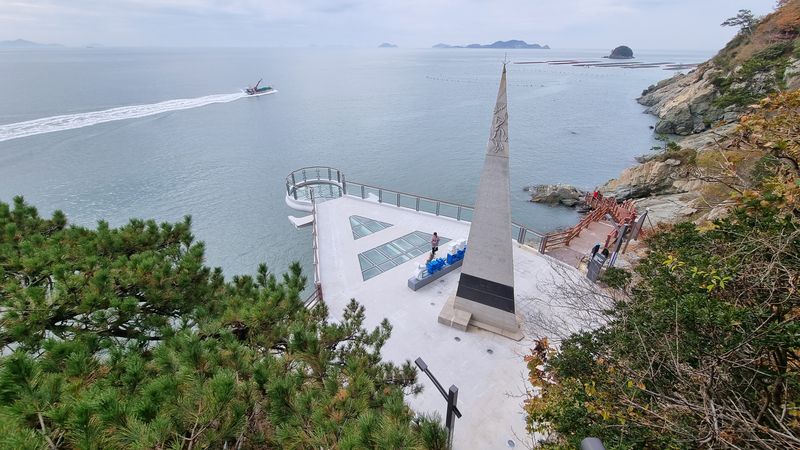
Ttangkkeut Tower at the end of the deck trail is not as grand as one might expect, but its symbolism is overwhelming. Standing before the 9-meter tower, visitors can take in the point where the South Sea and the West Sea appear to meet. To the left lies the endless coastline of the South Sea, which the Namparang Trail has followed, while to the right stretches the horizon of the West Sea, marking the beginning of Seohaerang-gil.
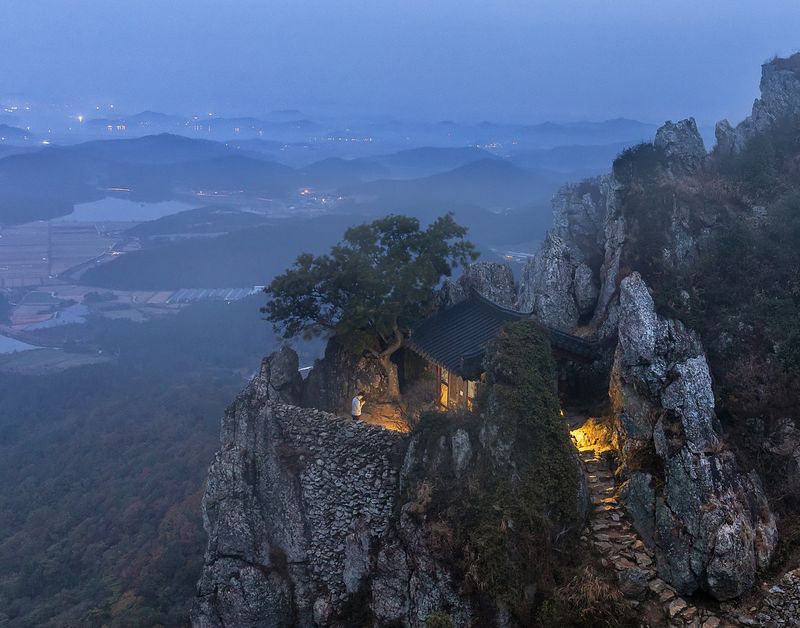
A little farther north from Ttangkkeut Village, visitors can find Mihwangsa Temple, one of the main attractions on the final section of the Namparang Trail. Mihwangsa is a thousand-year-old temple nestled beneath the strange rock formations of Dalmasan. According to legend, it was founded at the place where a ship carrying Buddhist scriptures and statues from India arrived. Standing in the courtyard in front of the main hall, the ridgeline of Dalmasan and the South Sea unfold like a painting, drawing the eye.
If time allows, Dosolam Hermitage, perched on the cliffside rocks of Dosolbong at the summit of Dalmasan, is also worth a visit. Balanced precariously on a rock at the edge of a cliff, Dosolam is known as a place where visitors can enjoy both sunrise and sunset on clear days.
■ The Path to Dasan Chodang and the Woodland Trail to Gangjin Baengnyeonsa Temple
The center of Namparang-gil Course 83 is Mandeoksan in Gangjin County, which rises 408 meters above sea level. The mountain itself is not especially imposing, but its importance in Korean intellectual history is considerable. Traces of Jeong Yak-yong (pen name Dasan, 1762-1836) remain clearly preserved on its slopes.
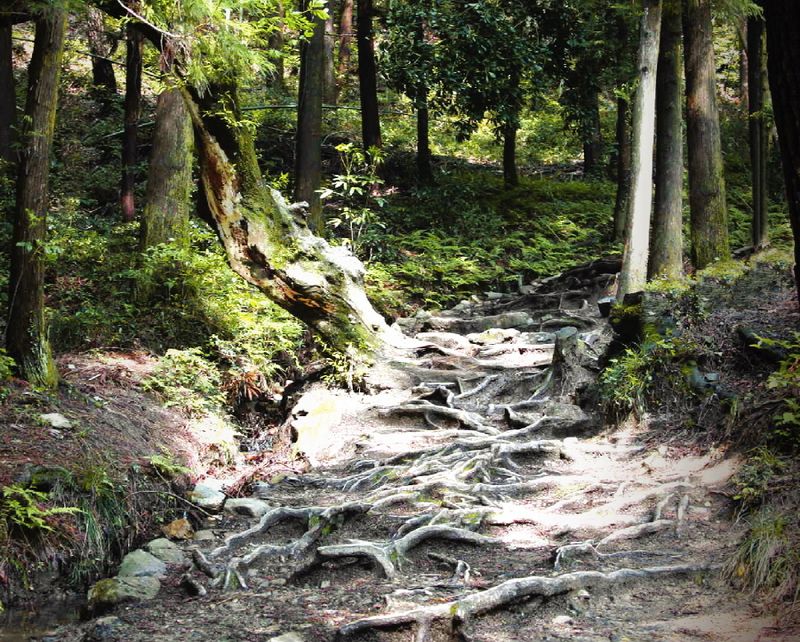
After passing the parking lot in front of the Dasan Museum and entering the forest path, the fresh green of early summer stretches ahead like a tunnel. Dasan Chodang, which appears at the end of the uphill trail, has a modest atmosphere because it lacks dancheong and ornate decoration. Still, the emotional weight of the place is far from small when one recalls that masterpieces representing practical learning in the late Joseon Dynasty were created here.
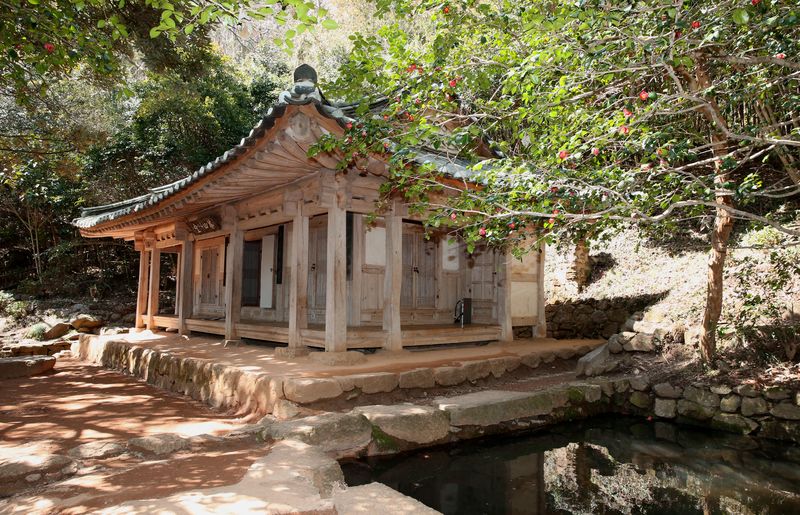
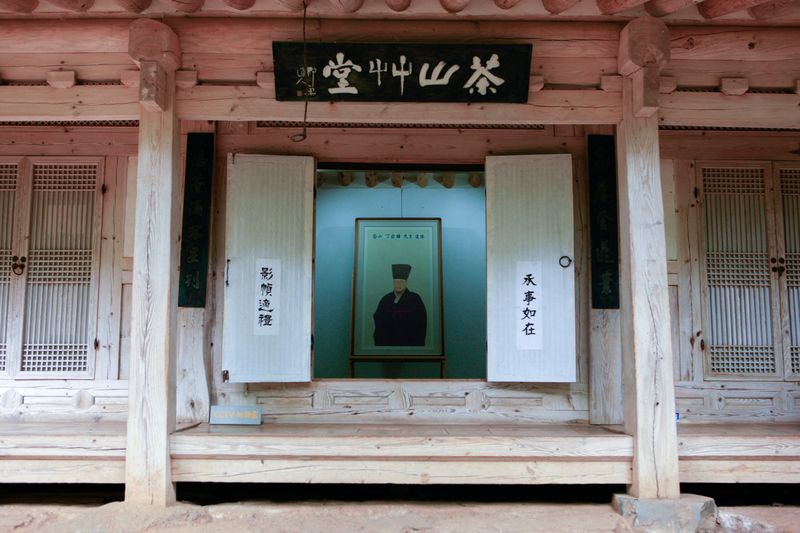
Jeong Yak-yong was exiled to Gangjin after the Sinyu Persecution in 1801. He stayed at Dasan Chodang for more than 10 years and produced over 500 works, including "Admonitions on Governing the People," "Gyeongseyupyo" and "Huhmhum Sinseo." What had been a place of despair in exile was transformed into a golden age of scholarship.
In the courtyard of the cottage remain Yakcheon Spring and Yeonji Seokgasan, both said to have been made by Dasan himself. They are traces of the life he led here, boiling tea with spring water and raising carp in a small pond while deep in thought. Though the space is small, his life and philosophy are woven into every corner.
The highlight of Dasan Chodang is the narrow path leading to Gangjin Baengnyeonsa Temple. The roughly 1.3-kilometer forest trail is lined with wild tea trees, camellias and pine trees that form a tunnel overhead. As you walk, it is easy to imagine how Dasan would come down this path to visit the temple whenever his mind felt burdened.
Baengnyeonsa Temple's head monk, Hyejang Seonsa, and Dasan shared deep scholarly exchanges that transcended differences in status and religion. For Dasan, who was living in exile, Hyejang was both a spiritual anchor and a friend. Walking the path where only the sound of the wind can be heard, one can faintly imagine the conversations they once shared. This is precisely why the Namparang Trail is known not merely as a trekking route, but as a journey through the humanities.
■ Hwawon Oceano Tourism Complex and Mokpo's Modernization District
Heading north along Seohaerang-gil after passing Ttangkkeut, travelers arrive at the Hwawon Oceano Tourism Complex in Haenam. It is a representative resort area on the southwest coast, with a vast beach, campground, golf course and hotel.
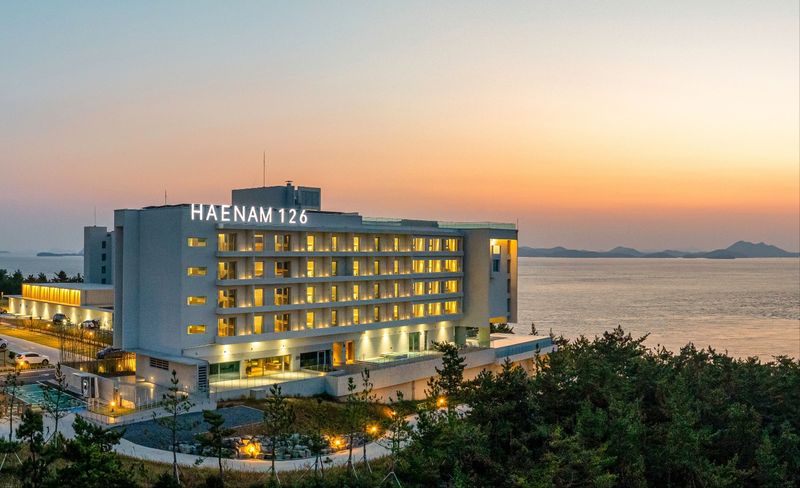
The most eye-catching spot here is Haenam 126 Hotel on Seohaerang-gil Course 14. Its sleek exterior makes it easy to mistake for a famous hotel chain, but it is actually a public lodging facility operated by KTO. Every room is designed with an ocean view facing the West Sea, and the infinity pool offers a scene in which the sea and the water's surface seem to merge into one.
Haenam 126 was built with inspiration from Nokudang, the old home of Yun Seondo, a leading figure from this region. It has also earned high marks for its architecture. By arranging the building in a single layer and placing a courtyard between the main house and the outer quarters, it adds the graceful character unique to a hanok.
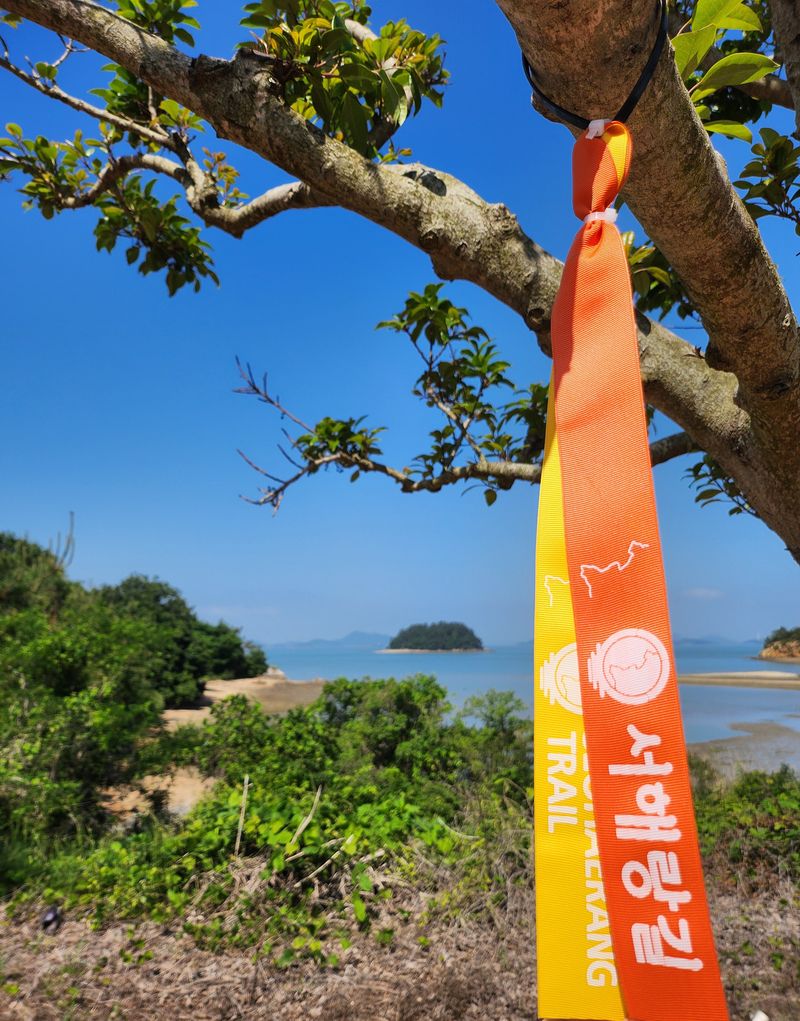
Seohaerang-gil continues on to Mokpo. The areas around Courses 16 and 18 are among the most intellectually appealing sections of the Korea Dulle Trail.
At Samhakdo Park in Mokpo, visitors can encounter traces of Lee Nan-young, the singer who performed "The Tears of Mokpo." The walking path along the waterway is quiet, and the park is filled with Mokpo's distinctive lyrical atmosphere.
The nearby Kim Dae-jung Nobel Peace Prize Memorial Hall carries a different kind of meaning. As visitors explore exhibitions on democracy and peace, the journey on foot naturally expands into a journey through history.
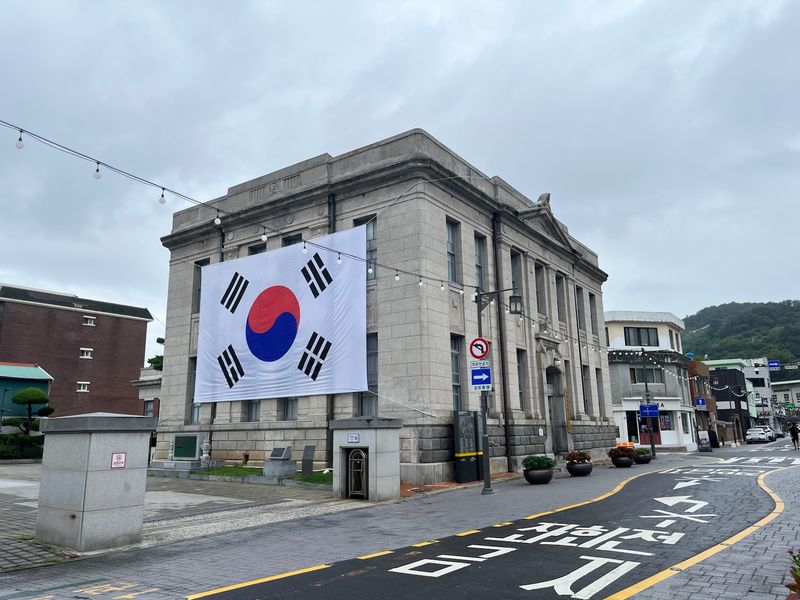
The atmosphere changes again upon entering Modern History and Culture Street. Red-brick buildings, former Japanese colonial-era houses and the old Japanese consulate remain in the alleys, creating the strange feeling of traveling back 100 years in time. It is a weighty space that reveals both the glory and the scars carried by Mokpo as an open port city during the Japanese colonial period.
jsm64@fnnews.com Jung Soon-min Reporter