60 Days Free in the Strait of Hormuz... Iran Says It Will Charge for Services Afterward [U.S.-Iran Ceasefire Deal]
- Input
- 2026-06-18 18:29:10
- Updated
- 2026-06-18 18:29:10
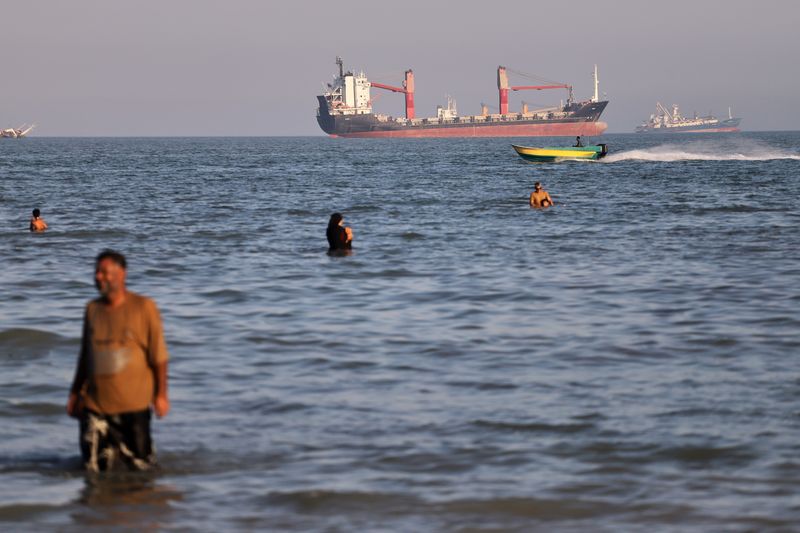
According to the full text of the U.S.-Iran ceasefire MOU released on the 17th local time, the two sides agreed to continue follow-up talks for a final peace deal for up to 60 days. The MOU includes an immediate halt to hostilities, normalization of the Strait of Hormuz, the resumption of Iranian crude oil exports, and easing of U.S. sanctions on Iran.
The most notable provision is Article 5. It states that Iran will "guarantee the free passage of merchant vessels through the Strait of Hormuz without any cost for only 60 days."
On the surface, the clause suggests a return to normal in the Strait. But a closer reading shows that free passage is limited to the 60-day deadline for a final agreement. Moreover, the same article says Iran will consult with Oman and the Gulf states to establish a future management and maritime services system for the Strait of Hormuz. This is being interpreted as a basis for Iran to charge certain fees in the future under the pretext of maritime safety management, route control, and vessel support services. During the war, Iran effectively operated the Strait as if it were under its own control and charged transit fees to foreign ships. The new MOU temporarily suspends that practice, but it does not mean the measure has been fully withdrawn.
Mohammad Bagher Ghalibaf, the Speaker of Parliament and Iran’s chief negotiator in the ceasefire talks, said in a state TV interview, "The Strait will not return to its prewar state," adding, "Iran retains sovereign rights over the Strait, and we will receive fair payment for the services we provide."
His remarks stand in sharp contrast to Trump’s recent statement that the "Strait will be fully open." Analysts say Trump is likely to face criticism for rushing into a deal that favors Iran in order to calm rising public anger in the United States over soaring energy prices ahead of the November midterm election.
Ghalibaf also described the ceasefire agreement as a failure for the United States and said, "People will see and judge for themselves."
The document also includes a provision that would effectively lift restrictions on Iranian crude oil exports as soon as the agreement is signed. On the same day, Esmaeil Baghaei, spokesperson for the Ministry of Foreign Affairs of Iran, said, "Iran must be able to sell its oil without shipping or insurance restrictions, and it must also receive payment for those sales."
If the wording of the MOU is followed as written, Iran appears likely to return to the global crude oil market before fulfilling its commitments on enriched uranium.
The international community is relieved that the Strait has reopened and Iranian crude oil is returning to the market. Still, it does not rule out the possibility that oil prices and the logistics market could be hit again if talks fail after 60 days or if the transit fee issue becomes a new source of conflict.
[email protected] Kim Kyung-min Reporter