If this continues, domestic milk could disappear... The dairy industry’s reality as it brings in milk from the land of the British royal family
- Input
- 2026-06-22 06:00:00
- Updated
- 2026-06-22 06:00:00
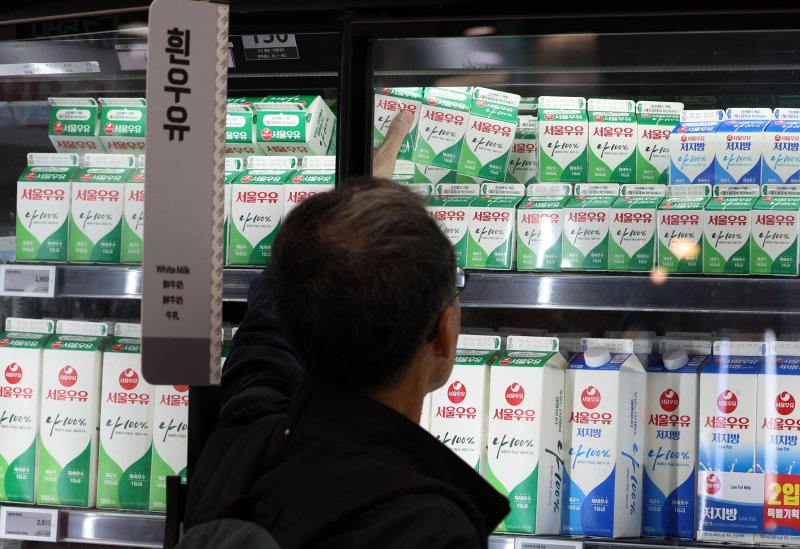
[Financial News] South Korea’s dairy industry is focusing on the premium milk market amid falling milk consumption and a flood of tariff-free imported sterilized milk. The strategy is to meet increasingly sophisticated consumer tastes with higher-end products.
According to industry data on the 21st, annual per-capita consumption of white milk in South Korea has steadily declined from 26.2 kg in 2022 to 25.9 kg in 2023, 25.3 kg in 2024, and 22.9 kg last year. Meanwhile, imports have surged as tariff-free sterilized milk from the Korea–U.S. Free Trade Agreement (KORUS FTA) and the EU–South Korea Free Trade Agreement (FTA) took effect. U.S. sterilized milk has been tariff-free since January after the 2.4% duty was eliminated, while EU products were subject to a 2.2% tariff before becoming tariff-free from July. As a result, imports of sterilized milk have risen sharply every year, from 23,119 tons in 2021 to 31,385 tons in 2022, 37,361 tons in 2023, 48,671 tons in 2024, and 50,740 tons last year.
In response to this shrinking market, dairy companies have turned to portfolio diversification using premium raw milk. Seoul Milk Cooperative introduced the Jersey cattle breed, native to Jersey, Channel Islands, to secure a foothold in the premium dessert market. Raw milk from Jersey cattle, which is consumed by the British royal family, contains more protein (130%) and calcium (114%) than regular milk. Its higher fat content gives it a richer and smoother flavor.
Seoul Milk produces and collects 100% domestically raised Jersey milk at the country’s largest dedicated farm. Since May, it has supplied Jersey Milk Soft Mix, a business-to-business (B2B) product, to franchise cafes and bakeries. Maeil Dairies has also strengthened its organic milk lineup produced at Sangha Farm in Gochang, Jeollabuk-do. It improved raw milk quality by securing large exercise areas for each cow and going through strict organic certification procedures. Based on this, the company has continued expanding into fermented dairy products, organic juices, and premium ice cream.
Namyang Dairy Products has carved out its own niche by introducing Baekmidang Organic Milk through its restaurant brand Baekmidang. Using certified organic raw milk, it maximized a nutty and rich taste. At the same time, the company pursued a diversification strategy by launching additional lactose-free milk products aimed at consumers with lactose intolerance.
An industry official said, "The common challenge for the dairy industry right now is to respond to rapidly changing milk consumption trends with high-quality products while also securing new growth engines."
security@fnnews.com Park Kyung-ho Reporter