U.S. to Lift Sanctions on Iran as Negotiations Progress... Israel and the Strait of Hormuz Remain Key Variables
- Input
- 2026-06-17 14:01:11
- Updated
- 2026-06-17 14:01:11
[Financial News] A claim emerged on the 19th (local time) that the U.S. will sharply ease sanctions on Iran to coincide with the signing of a peace memorandum. Chinese and overseas experts said the two sides still have 60 days of final peace talks ahead and predicted that they will be far more difficult than the memorandum negotiations.
Sanctions will be lifted step by step if the memorandum is upheld
U.S. media outlets including The Wall Street Journal (WSJ) and Axios reported on the 16th, citing government officials, that the memorandum includes a provision for a temporary waiver of U.S. sanctions on Iranian oil. WSJ said that under the provision, the U.S. plans to exempt existing sanctions on Iran's oil sales, financial settlements, maritime transport, insurance, and related services immediately after the signing ceremony on the 19th.According to a draft memorandum that surfaced in foreign media this month, the U.S. and Iran will hold final peace and denuclearization talks for 60 days after the signing ceremony on the 19th, while maintaining a ceasefire. Iran's Mehr News Agency claimed that the U.S. and its allies promised a $300 billion reconstruction fund for Iran in the memorandum. The signing ceremony is said to be held in Bürgenstock, Switzerland.
The U.S. is also expected to lift the financial freeze on Iran's overseas assets. In a report on the 16th, Saudi Arabia's Al Arabiya claimed that the 11th of the memorandum's 14 clauses states, "The United States will release frozen or restricted Iranian assets and make them fully usable as negotiations toward a final agreement progress."
Taken together, foreign media reports suggest that the U.S. will lift sanctions on the maritime blockade around Iran and on Iranian oil exports as soon as the memorandum is signed. However, the lifting of asset freezes and access to reconstruction funds, which would directly provide Iran with financial gains, is likely to be paced according to Iran's compliance with the agreement and denuclearization talks. U.S. President Donald Trump, who previously criticized the Obama administration's nuclear deal with Iran, could face political trouble if the situation appears to involve handing money to Iran.
A U.S. government official told Axios, "This agreement is a reward structure based on performance." He added, "Iran can only benefit if it fulfills all of its commitments by not developing nuclear weapons, neutralizing enriched material, and not obstructing free navigation through the Strait of Hormuz."
Still, the U.S. may extend an initial hand to speed up negotiations. WSJ reported that Washington is willing to allow Iran's central bank access to some assets for designated purposes, and that some assets could be released even before a final nuclear deal is reached.

Unstable ceasefire, with Israel and the Strait of Hormuz as flashpoints
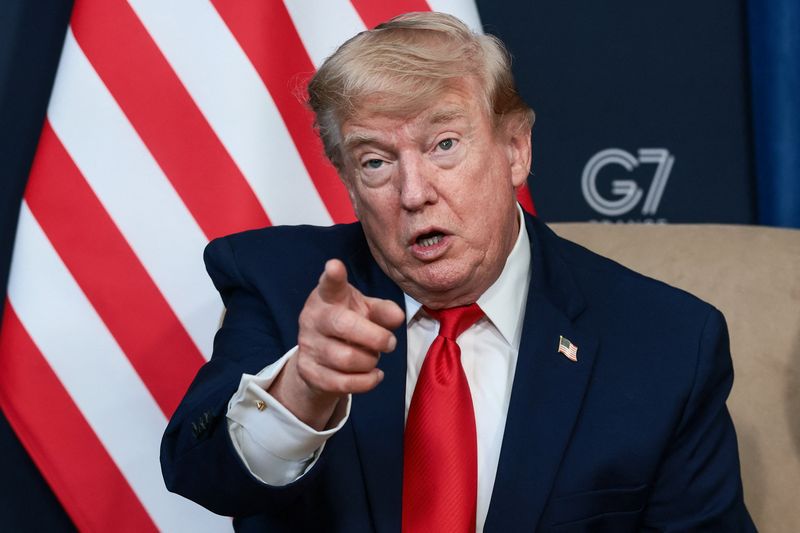
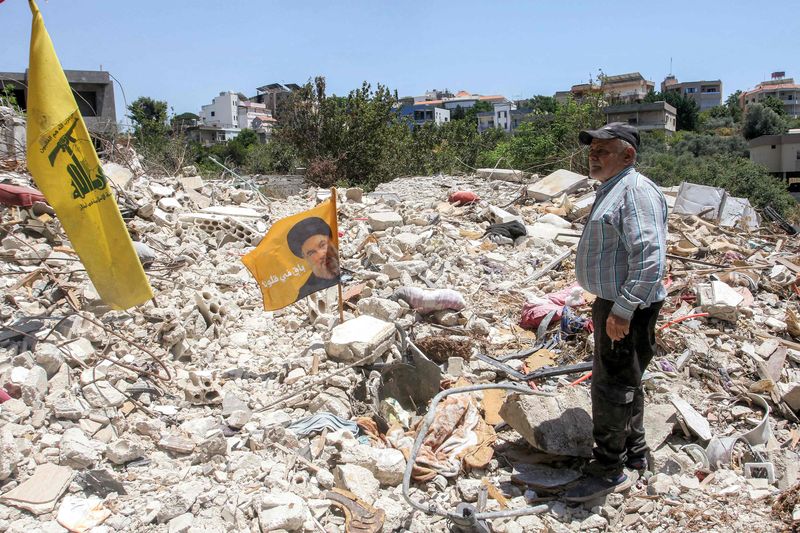
Trump, who reached a peace agreement 106 days after the bombing of Iran alongside Israel on February 28, said at the G7 summit in France on the 16th that Iran will "soon be a thing of the past." But on the same day, Chinese Foreign Minister Wang Yi told Pakistan's Foreign Minister Ishaq Dar, a mediator in the peace process, that "the second stage of negotiations is expected to be more difficult than the first stage." He stressed that "the current agreement is far from the final destination" and is "closer to a new starting point."The biggest concern is the Lebanon front. Israel, which has been fighting Hezbollah, the pro-Iranian armed group in Lebanon, since March, said it also struck Hezbollah rocket launchers in southern Lebanon on the 16th. On the same day, Khatam al-Anbiya Central Headquarters of the Iranian military accused Israel, saying, "For two days after the U.S. president declared the end of the war, the terrorist forces of the Zionist regime violated the ceasefire no fewer than 84 times in southern Lebanon." It then warned that if Israel repeats hostile acts, it should be prepared for "a harsh response." Doug Bandow, a senior fellow at the Cato Institute, told Al Jazeera that Israeli Prime Minister Benjamin Netanyahu would likely want to block the agreement between the U.S. and Iran, adding that he has a real incentive to take military action.
Another source of concern is the Strait of Hormuz, through which more than 20% of global maritime oil shipments passed before the war. CNN reported on the 16th, citing a U.S. intelligence official, that the current peace agreement would not prevent Iran from blocking the Strait of Hormuz again in the future. In a recent assessment, intelligence agencies concluded that Iran could effectively shut off access to the strait whenever it wants. The official said Iran strategically recognizes the strait's value and argued that control of the waterway is "a new weapon more powerful than any nuclear weapon." He added, "We have effectively handed control of the Strait of Hormuz to Iran."
Meanwhile, Trump told reporters on the 16th that he would "release the document to the press within a few days" regarding the controversial peace memorandum. He said, "I am thinking of holding a press conference and reading it word for word so the media can report it accurately." Trump also said that the possibility of the U.S. Congress reviewing the memorandum was "something I had never even thought about, but it could happen."
[email protected] Park Jong-won Reporter