A 454 Trillion-Won Iran Reconstruction Fund: "$150 Billion Already Promised, Led by Korean and Japanese Companies"
- Input
- 2026-06-17 06:40:38
- Updated
- 2026-06-17 06:40:38
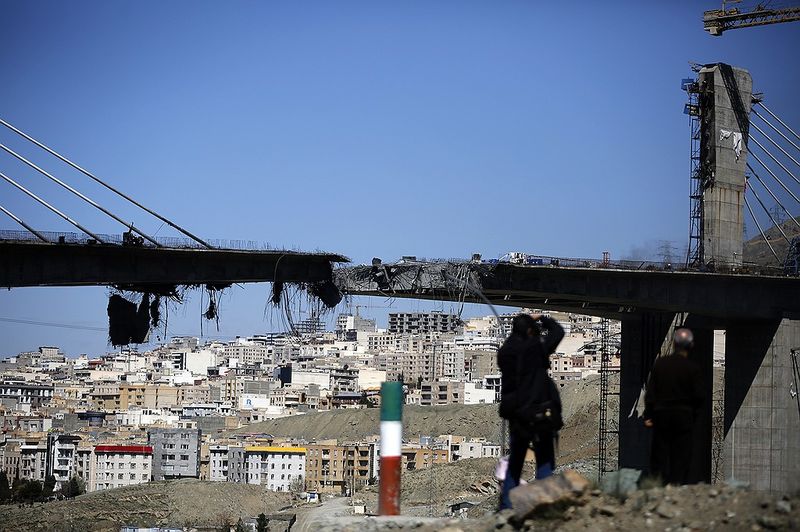
[Financial News] The previous Memorandum of Understanding (MOU) between the United States and Iran reportedly includes a plan to create a $300 billion Iran Reconstruction Fund, and more than half of that amount, or over $150 billion, has already been pledged, mainly by companies from Korea and Japan.
According to foreign media and other sources on the 16th local time, the MOU reached by the United States and Iran contains a plan to establish a large-scale private investment fund.
Sources said the fund will be operated as a private investment vehicle, not as a postwar compensation program or a government-backed aid scheme. It will not include U.S. government spending or subsidies. Instead, it will use investment capital from global companies to support Iran's economic reconstruction projects. Companies from the United States, Asia, the Middle East, South America, and Africa are already said to have agreed to help raise more than $150 billion.
Countries with companies that have expressed interest in investing include Korea, Japan, Singapore, Malaysia, and the United States. However, no specific company list has been made public. The investment targets are expected to include sectors tied to Iran's economic reconstruction, such as energy, logistics, manufacturing, and transportation infrastructure.
However, details such as who will operate the fund and how it will be managed have not yet been finalized. The fund is expected to launch officially after the final agreement is signed, and investors and the Iranian side are likely to spend the next 60 days drawing up project scopes and implementation plans.
The plan is seen as an economic incentive for both the United States and Iran. Iran reportedly demanded $400 billion in war damage compensation from the United States during the negotiations, but Washington rejected the request. Instead, the creation of a reconstruction fund backed by overseas private capital was proposed as an alternative.
As a result, Iran could secure the foreign capital needed for postwar recovery, while the United States could push for a deal without direct fiscal spending. Foreign media reported that the fund is a separate issue from negotiations over easing U.S. sanctions on Iran or the release of frozen Iranian assets.
The United States and Iran completed electronic signatures on the MOU on the 14th. They are scheduled to hold an official signing ceremony in Switzerland on the 19th. The two sides are expected to continue follow-up talks for the next 60 days on the nuclear program, sanctions relief, and the operation of the Strait of Hormuz.
[email protected] Kim Kyung-min Reporter