U.S. intelligence agencies say Iran has realized control of the Strait of Hormuz is a weapon stronger than nuclear arms
- Input
- 2026-06-17 04:47:20
- Updated
- 2026-06-17 04:47:20
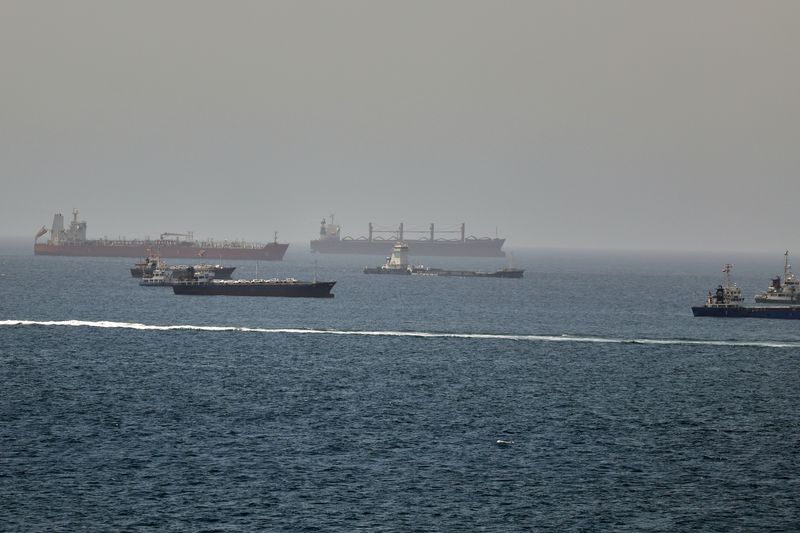
A miscalculation by U.S. President Donald Trump has been seen as giving Iran a weapon stronger than nuclear arms: control of the Strait of Hormuz. That assessment comes from analysis by U.S. intelligence agencies.
On the 16th local time, CNN reported, citing three sources, that U.S. intelligence agencies concluded Iran had realized through this war that it could choke off the Strait of Hormuz at any time and influence the global economy.
Control of the Strait of Hormuz, stronger than nuclear arms
Regardless of what form of agreement is reached at the formal ceasefire signing on the 19th, Iran would have secured powerful leverage over the United States and the world.
One source said, "We have effectively handed Iran control of the strait," adding, "That is stronger than any nuclear weapon." The source said the war experience had awakened Iran.
Another source pointed out that Iran had also gained an additional lever: the ability to attack energy infrastructure in the Gulf region. Along with control of the Strait of Hormuz, this is another card Iran can play at any time.
That suggests President Trump's boast that the Strait of Hormuz would be opened immediately and without tolls if a signing ceremony is held in Geneva on the 19th may not come true.
Iran countered that the strait would be opened free of charge for only 60 days, after which tolls would be imposed.
That also makes it harder to blow up the negotiations simply by charging tolls.
According to intelligence gathered by U.S. intelligence agencies, if the ceasefire deal collapses at the last minute, Iran could mobilize the Houthi rebels in Yemen to block the Bab-el-Mandeb Strait, the gateway to the Red Sea.
If the Strait of Hormuz and the Red Sea are blocked at the same time, the global economy would suffer a devastating blow.
Trump's fatal miscalculation
According to U.S. intelligence agencies, the Trump administration made a fatal miscalculation early in the war.
The Trump administration believed that if the Strait of Hormuz were closed, Iran's import logistics would be disrupted and Iran would suffer greater damage. It also expected China, which depends on Gulf oil, to step in and pressure Iran to lift the blockade.
For that reason, the United States focused on striking Iranian military bases rather than deterring a closure of the strait.
But after Trump made regime change in Iran his goal, Iran carried out the unprecedented move of blocking the Strait of Hormuz. What had previously been only a threat became an actual step by the Iranian leadership, which concluded it had "nothing more to lose" and chose a card that could drag both sides down together.
Military experts criticized the move as the biggest blunder of the century, one that would be difficult to reverse unless the United States was willing to wage an all-out war.
Meanwhile, contrary to Trump's claim that Iran's navy had collapsed, the country's military power appears to remain intact.
During the closure of the Strait of Hormuz and attacks on energy infrastructure in the Gulf region, key weapons such as missiles, drones and fast boats were barely depleted. Iran rebuilt its defense industrial base faster than expected and resumed drone production.
As Iran has proven it can deploy a weapon stronger than nuclear arms at any time by closing the Strait of Hormuz, it now holds a firm lever that could threaten the global economy in future negotiations with the United States.
[email protected] Song Kyung-jae Reporter