[Editorial] Reform Must Make Farmers the Owners of NACF
- Input
- 2026-06-16 19:13:47
- Updated
- 2026-06-16 19:13:47
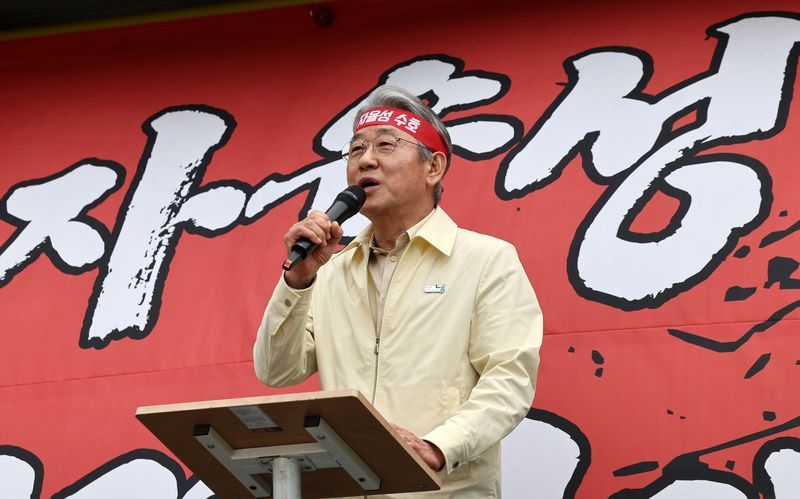
NACF is a cooperative organization created to improve farmers' rights and welfare, and it is a massive entity that operates a bank and a securities firm under its central federation. As of 2016, Korea's NACF was said to be the world's largest agricultural cooperative among those affiliated with the International Cooperative Alliance (ICA).
Because of its size, NACF has long been exposed to all kinds of corruption in its operations and election process. The chairman of the central federation is chosen by cooperative heads in what is essentially an indirect election, and the election is notorious for corruption, with rumors that billions of won in money and gifts change hands. Once a chairman is elected, it has become almost routine for him to come under investigation for personal corruption.
The same is true of the elections for cooperative heads chosen by farmers. Money-driven elections, reminiscent of the 1970s, have become the norm. Even when election-related corruption is punished, the cycle repeats in the next election. That is because the power of the cooperative head, along with the interests tied to the position, is so great that candidates will do anything to win.
The government's push for reform comes late. It has decided to replace the indirect election of the federation chairman with a direct vote by 1.87 million farmers. NACF also agrees with this point, but the plan to establish an outside audit committee has not been finalized because of the federation's opposition. To make NACF's operations transparent, an external audit system must be firmly put in place.
The second-stage reform, which changes the governance structure of the central federation, is even more important than the first. Overall, the direction the government is taking is correct. Changing the governance structure is essential to prevent arbitrary management and corruption by the federation chairman and cooperative heads. If reform is being pursued at all, the system should be made watertight so that it will not need to be revised again.
The owner of NACF should be the farmers who are its members, not the federation chairman or cooperative heads. Reform must be carried out in a way that strengthens farmers' sense of ownership. Participation should be expanded, and autonomy should be enhanced.
The biggest problem facing rural areas today is aging. With younger people leaving for the cities, farmers in their 70s and older are working the land and carrying the burden of Korean agriculture. Even if there is no major problem right now, the number of rural communities that disappear could rise sharply over the next 10 to 20 years. There may simply be no one left to farm.
In that situation, NACF's role and responsibilities will only grow. It is difficult to revive rural areas with government power alone. NACF, with its nationwide network, must take the lead in revitalizing agriculture. Elderly farmers are not very interested in how NACF is run. If rural communities disappear, NACF will have no reason to exist. NACF should work with the government to find ways to attract younger people to the countryside and strengthen agriculture. To do that, it must first shed the stigma of being a corrupt organization through self-purification efforts.