U.S.-Iran Deal Leaves Out Missiles, Drawing Backlash from Israel and U.S. Hardliners
- Input
- 2026-06-16 10:35:25
- Updated
- 2026-06-16 10:35:25
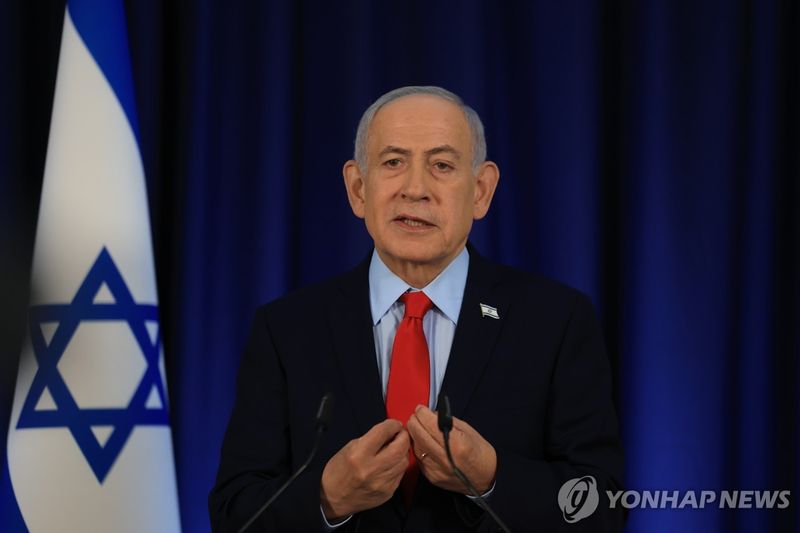
Israel says its "struggle is not over"... refuses to withdraw from Lebanon
On the 15th local time, U.S. President Donald Trump told reporters that he had already completed an electronic signing with Iran on the ceasefire agreement and that the specific terms would be released soon. In an interview with CNBC the same day, U.S. Vice President JD Vance said, "There are still many very important details left, and they need to be discussed together at the negotiating table."
Although the U.S.-Iran ceasefire agreement has been reached, Israel, long seen as the biggest variable, has effectively drawn a line under the deal. Netanyahu reaffirmed Israel's policy of maintaining its presence in Lebanon. By saying it will keep its own security line separate from the U.S.-led Middle East ceasefire framework, Israel is emerging as the biggest source of uncertainty for future implementation.
Netanyahu stressed, "Let me be clear. We will remain in the security zone as long as necessary to defend our country." The Israeli military is currently continuing clashes with the pro-Iranian armed group Hezbollah in southern Lebanon.
Soon after the U.S.-Israel war against Iran began in March, Hezbollah launched attacks on Israel, citing solidarity with Iran. Israel later occupied southern Lebanon, which Netanyahu described as a "security zone," and has expanded military operations against Hezbollah across Lebanon, including in Beirut.
On his relationship with Trump, Netanyahu said, "We are partners," but added, "We often agree, though sometimes we do not." Other figures in Netanyahu's far-right coalition also took a hard line. Defense Minister Israel Katz said that despite the ceasefire, Israel would not withdraw from occupied areas in Lebanon, Syria, and the Gaza Strip and would remain there "indefinitely."
In Israel, criticism is growing over the fact that Iran's medium- and long-range ballistic missile issue, seen as a threat to national security, was left out of the negotiations.
Republican hardliners also push back... "Trump made concessions to Iran"
Signs of division are also emerging within the Republican Party. Hardliners on Iran, in particular, have called the deal a "tactical disaster" and are urging the Trump administration to release the agreement. Conservative influencer Erick Erickson criticized Trump on social media platform X, saying, "Trump surrendered to Iran."
Republican Senator Lindsey Graham, also known as a hardliner on Iran, voiced concern. In a post on X, he said, "I am somewhat concerned that the preliminary agreement described by the Iranian side differs from the White House's explanation." He then urged the swift release of the agreement, saying he hoped to review the actual text rather than rely on Iranian propaganda reports.
Fox News host and prominent conservative commentator Mark Levin has been a strong supporter of the war. But he expressed frustration after Trump criticized Israel's military actions targeting Hezbollah in Lebanon during the peace talks. He has since publicly questioned why the Trump administration has not released the full text of the agreement.
[email protected] Reporter Lee Byung-chul Reporter