The 40-Year-Old Goalkeeper of a Nation of 520,000: Vozinha and the Romance of Football [2026 FIFA World Cup]
- Input
- 2026-06-16 10:36:36
- Updated
- 2026-06-16 10:36:36
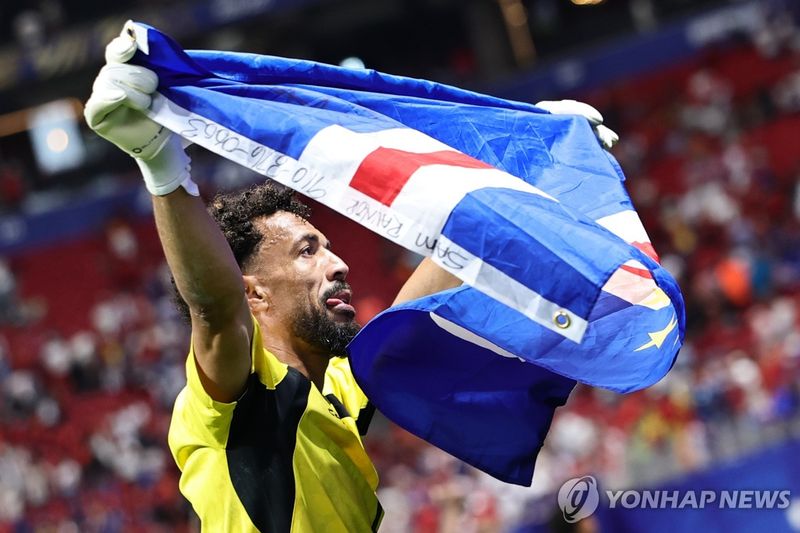
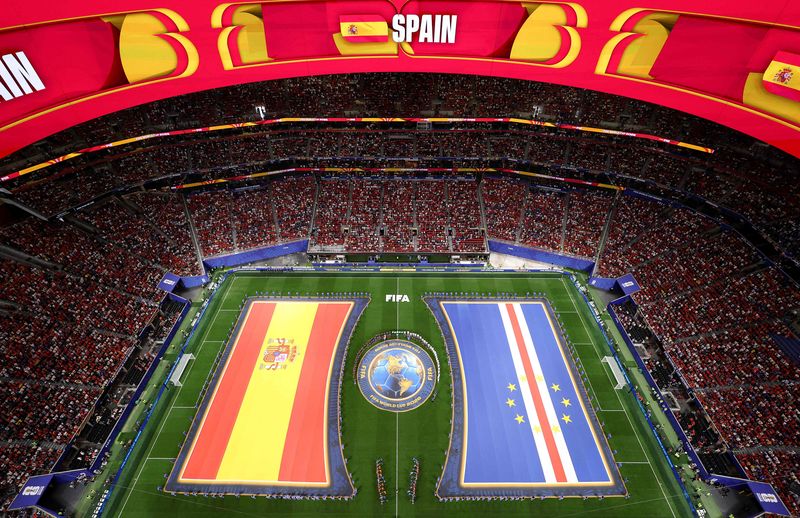
[Financial News] Even in today’s professional sports world, where money, fame, and sophisticated capitalist systems dominate, miracles can still happen with nothing more than a ball and pure passion. A prime example came on the 16th (Korean time) in the opening Group H match of the 2026 FIFA World Cup at Atlanta Stadium in Georgia, the United States. On that day, the team that stopped Spain was Cape Verde, the small African island nation of 520,000 people, and the man guarding its goal was Vozinha, a 40-year-old veteran goalkeeper.
A 40-Year-Old Goalkeeper's World Cup Debut, a Wall of Tears That Froze Spain
The gap in quality was beyond comparison. Spain, packed with stars, had been expected to cruise to victory, but once the match began, the Spanish players could not break through the towering wall in front of Cape Verde’s goal even once.
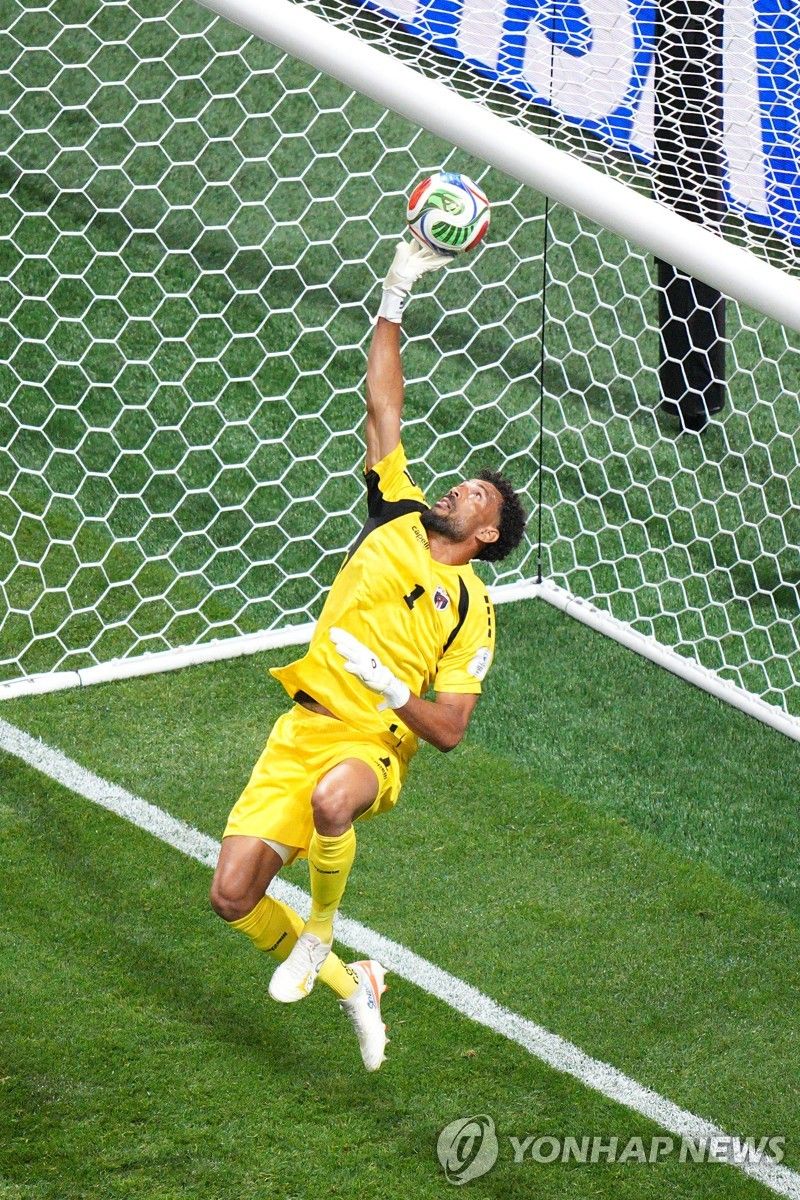
The hero was Vozinha, the goalkeeper who made his first-ever World Cup appearance at the age of 40. As Spain unleashed a barrage of shots, he stopped all seven attempts on target and preserved his team’s 0-0 draw. According to football statistics outlet Sofascore, Vozinha single-handedly erased 1.46 expected goals (xG).
When the final whistle blew, the 40-year-old goalkeeper, who had earned Cape Verde’s first-ever point on the World Cup stage, burst into tears. FIFA also paid tribute by naming him the official Player of the Match (POTM) after the game.
Vozinha’s real name is Josimar José Évora Dias. The name on his jersey, Vozinha, means “little grandmother” in Portuguese. According to Marca, he grew up apart from his parents and was raised by his grandparents. He was also known for his fierce competitive spirit. When he got angry during matches, older boys in the neighborhood would tease him by asking whether he was going to tell his grandmother, and the nickname “Vozinha” stuck.
The Great Rebellions of Football’s Periphery in World Cup History
Cape Verde’s upset serves as a reminder of why the World Cup remains the greatest football festival on Earth. Throughout World Cup history, there have always been underdog revolts that overturned financial and competitive disadvantages and stunned the world.
At the 1966 England World Cup, North Korea shocked the world by defeating Italy 1-0 and became the first Asian nation to reach the quarterfinals. At the 1990 FIFA World Cup in Italy, Cameroon beat defending champions Argentina, led by Diego Maradona, 1-0 and showed the world the force of African football. At the 2002 FIFA World Cup, Senegal, making its first-ever appearance in the finals, pulled off another shock by defeating title favorite France 1-0.
The Romance of Football Written with One Ball and One Pair of Shoes
From a professional sports perspective, football is a ruthless business driven by transfer fees worth hundreds of billions of won and astronomical amounts of capital. Major clubs and powerful nations build victories with cutting-edge infrastructure and massive financial resources.
At the same time, however, football is more equal and more primal than any other sport. Even without flashy equipment or vast sums of money, anyone can have a chance if they have just a pair of shoes, a ball, and space to run — whether it is an unknown boy on the other side of the world or a player from a small island nation of 520,000 people.
It is a stage where predictions built on the logic of capital can be shattered in just 90 minutes. The 0-0 miracle, defined by the tears of a veteran goalkeeper in his 40s and Cape Verde’s fighting spirit, once again proved why we still stay up all night watching a ball roll across the pitch, and why the World Cup remains a global festival.
bng@fnnews.com Kim Hee-sun Reporter