Israel Criticizes U.S.-Iran Deal for Ignoring Its Security Concerns... Refuses to Withdraw Troops from Lebanon
- Input
- 2026-06-15 14:52:34
- Updated
- 2026-06-15 14:52:34
[Financial News] News that a ceasefire agreement between the Donald Trump administration and Iran is imminent has triggered a wave of bipartisan criticism in Israeli politics, with many saying Israel's security was not taken into account.
Israel is also said to be maintaining its position that it will not withdraw its military forces from southern Lebanon.
On the 14th local time, Yedioth Ahronoth, one of Israel's leading Hebrew dailies, ran the headline "Bad Deal" on its front page. The paper said Israel, which fought two wars against Iran over the past year alongside the United States, was left deeply frustrated and concerned after being excluded from the peace deal talks.
Israel's complaint is that the Strait of Hormuz may reopen, but the fundamental security threat from Iran will remain.
As news of the U.S.-Iran ceasefire agreement spread, Israel's political establishment sharply criticized it across ideological lines.
Right-wing politician and former ally of Netanyahu, former Defense Minister Avigdor Lieberman, criticized the deal on social media, saying, "From Israel's perspective, this agreement is a disaster." Yair Lapid, the centrist opposition leader and former prime minister, also strongly condemned it, saying, "If the terms are true, this is one of the most shocking failures in the history of Israel's diplomatic and security policy."
According to Israeli sources, the agreement appears to contain several fatal flaws for Israel.
Israel says there are no clear answers on how Iran's stockpile of enriched uranium will be handled or how its nuclear program will be restrained. It also criticizes the lack of effective limits on nuclear development and says sanctions relief would simply funnel money back into the Iranian treasury instead of creating conditions that could bring down the regime.
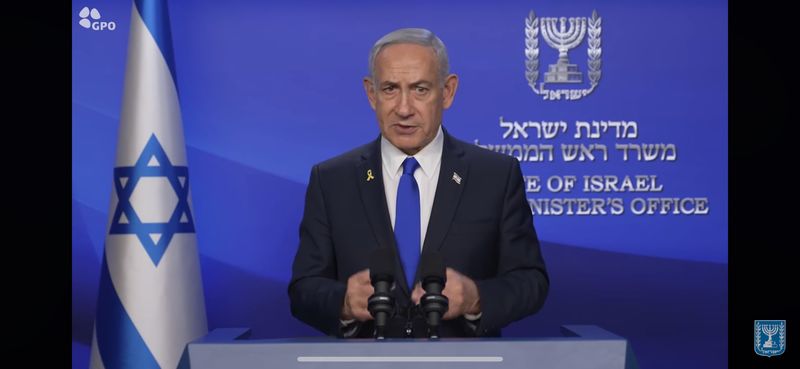
Israeli media reported that after a cabinet meeting, Prime Minister Benjamin Netanyahu told President Donald Trump in a phone call that Israel would not be bound by any U.S.-Iran agreement and that the Israel Defense Forces (IDF) would continue operations in Lebanon to eliminate the threat from Hezbollah without withdrawing.
The New York Times analyzed that Netanyahu, who faces an early general election in October, is caught in a bind. It said he has long emphasized his "exclusive bromance" with President Donald Trump, but is now under intense pressure from hardliners in his coalition and the opposition not to yield to Trump's unilateral demands.
[email protected] Yoon Jae-jun Reporter